3
Schwierigkeitsgrad 3
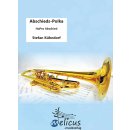
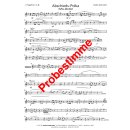
Die Abschieds-Polka von Stefan Kühndorf ist einem ehemaligen Musiker-Kollegen Kühndorfs gewidmet, der seine aktive Zeit beim Musikverein nach vielen Jahren beendet hat. Die Polka im Grad 3 beginnt mit einem gemütlichen ersten Teil, der nach einem melodiösen zweiten Teil wiederholt wird. Im Trio übernehmen zunächst das Tenorhorn / Bariton die Melodie. Nach einem kurzen Basssolo wiederholt sich das Trio im Tutti.
Enthaltene Stimmen - Großes Blasorchester
Direktion in C
Flöte 1 in C (2x)
Oboe in C (2. Flöte) (2x)
Klarinette in Es
1. Klarinette in B (2x)
2. Klarinette in B (2x)
3. Klarinette in B (2x)
Bassklarinette in B
1. Altsaxophon in Es (2x)
2. Altsaxophon in Es (2x)
1. Trompete in B (2x)
2. Trompete in B (2x)
1. Flügelhorn in B (2x)
2. Flügelhorn in B (2x)
1. Tenorhorn / 1. Tenorsaxophon in B (2x)
1. Tenorhorn in C, (2x)
Bariton in B / 2. Tenorsaxophon in B (2x)
Bariton in C (2x)
1. Horn in F/Es (Begleitung)
2. Horn in F/Es (Begleitung)
3. Horn in F/Es (Begleitung)
1. Horn in F/Es (Melodie)
2. Horn in F/Es (Melodie)
1. Posaune in C/B
2. Posaune in C/B
3. Posaune in C/B
1. Tuba in C / Fagott (2x)
Tuba in Es / Baritonsaxophon (2x)
2. Tuba in C (2x)
Tuba in B (2x)
Schlagzeug
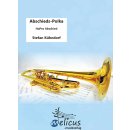
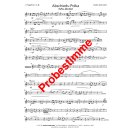
Die Abschieds-Polka von Stefan Kühndorf ist einem ehemaligen Musiker-Kollegen Kühndorfs gewidmet, der seine aktive Zeit beim Musikverein nach vielen Jahren beendet hat. Die Polka im Grad 3 beginnt mit einem gemütlichen ersten Teil, der nach einem melodiösen zweiten Teil wiederholt wird. Im Trio übernehmen zunächst das Tenorhorn / Bariton die Melodie. Nach einem kurzen Basssolo wiederholt sich das Trio im Tutti.
Enthaltene Stimmen - Böhmische Besetzung
Direktion in C
Klarinette in Es
1. Klarinette in B
2. Klarinette in B
3. Klarinette in B
1. Trompete in B
2. Trompete in B
1. Flügelhorn in B (2x)
2. Flügelhorn in B (2x)
1. Tenorhorn in B (2x)
1. Tenorhorn in C (2x)
Bariton in B/C (2x)
1. Posaune in C/B
2. Posaune in C/B
3. Posaune in C/B
1. Tuba in C / Fagott
Tuba in Es
2. Tuba in C
Tuba in B
Schlagzeug
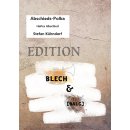
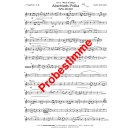
Die Abschieds-Polka von Stefan Kühndorf ist einem ehemaligen Musiker-Kollegen Kühndorfs gewidmet, der seine aktive Zeit beim Musikverein nach vielen Jahren beendet hat. Die Polka im Grad 3 beginnt mit einem gemütlichen ersten Teil, der nach einem melodiösen zweiten Teil wiederholt wird. Im Trio übernehmen zunächst das Tenorhorn / Bariton die Melodie. Nach einem kurzen Basssolo wiederholt sich das Trio im Tutti.
Enthaltene Stimmen - Blech & (Balg)
Akkordeon in C (Direktion)
Trompete in B
1. Flügelhorn in B
2. Flügelhorn in B
Tenorhorn in B/C
Bariton in B/C
Tuba in C/B/Es
Schlagzeug
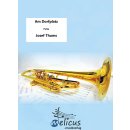
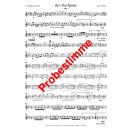
Am Dorfplatz - eine Polka von Josef Thums.
Enthaltene Stimmen - Großes Blasorchester
Direktion in C
Flöte 1 in C (2x)
Oboe in C (2. Flöte) (2x)
Klarinette in Es
1. Klarinette in B (2x)
2. Klarinette in B (2x)
3. Klarinette in B (2x)
1. Altsaxophon in Es (2x)
2. Altsaxophon in Es (2x)
1. Trompete in B (2x)
2. Trompete in B (2x)
1. Flügelhorn in B (2x)
2. Flügelhorn in B (2x)
1. Tenorhorn / 1. Tenorsaxophon in B (2x)
1. Tenorhorn in C, (2x)
Bariton in B / 2. Tenorsaxophon in B (2x)
Bariton in C (2x)
1. Horn in F/Es (Begleitung)
2. Horn in F/Es (Begleitung)
3. Horn in F/Es (Begleitung)
1. Horn in F/Es (Melodie)
2. Horn in F/Es (Melodie)
1. Posaune in C/B
2. Posaune in C/B
3. Posaune in C/B
1. Tuba in C / Fagott (2x)
Tuba in Es / Baritonsaxophon (2x)
2. Tuba in C (2x)
Tuba in B (Bassklarinette) (2x)
Schlagzeug
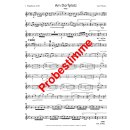
Am Dorfplatz - eine Polka von Josef Thums.
Enthaltene Stimmen - Böhmische Besetzung
Direktion in C
Klarinette in Es
1. Klarinette in B
2. Klarinette in B
3. Klarinette in B
1. Trompete in B
2. Trompete in B
1. Flügelhorn in B (2x)
2. Flügelhorn in B (2x)
1. Tenorhorn in B (2x)
1. Tenorhorn in C (2x)
Bariton in B/C (2x)
1. Posaune in C/B
2. Posaune in C/B
3. Posaune in C/B
1. Tuba in C / Fagott
Tuba in Es
2. Tuba in C
Tuba in B
Schlagzeug

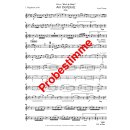
Am Dorfplatz - eine Polka von Josef Thums.
Enthaltene Stimmen - Blech & (Balg)
Akkordeon in C (Direktion)
Trompete in B
1. Flügelhorn in B
2. Flügelhorn in B
Tenorhorn in B/C
Bariton in B/C
Tuba in C/B/Eb
Schlagzeug
Am Kapfkreuz, eine Polka von Daniel Fischinger. Das Arrangement erstellte Michael Kuhn. Schwierigkeitsgrad 3
Enthaltene Stimmen - Großes Blasorchester
Direktion in C
Flöte 1 in C (2x)
Flöte 2 in C (2x)
Oboe in C
Klarinette in Es
1. Klarinette in B (2x)
2. Klarinette in B (2x)
3. Klarinette in B (2x)
Bassklarinette in B
1. Altsaxophon in Es (2x)
2. Altsaxophon in Es (2x)
1. Trompete in B (2x)
2. Trompete in B (2x)
1. Flügelhorn in B (2x)
2. Flügelhorn in B (2x)
1. Tenorhorn / 1. Tenorsaxophon in B (2x)
(1. Tenorhorn in C, 2x)
Bariton in B / 2. Tenorsaxophon in B (2x)
Bariton in C (2x)
1. Horn in F/Es (Begleitung)
2. Horn in F/Es (Begleitung)
3. Horn in F/Es (Begleitung)
1. Horn in F/Es (Melodie)
2. Horn in F/Es (Melodie)
1. Posaune in C/B
2. Posaune in C/B
3. Posaune in C/B
1. Tuba in C / Fagott (2x)
Tuba in Es / Baritonsaxophon (2x)
2. Tuba in C (2x)
Tuba in B (2x)
Schlagzeug
Am Kapfkreuz, eine Polka von Daniel Fischinger. Das Arrangement erstellte Michael Kuhn. Schwierigkeitsgrad 3
Enthaltene Stimmen - Böhmische Besetzung
Direktion in C
Klarinette in Es
1. Klarinette in B
2. Klarinette in B
3. Klarinette in B
1. Trompete in B
2. Trompete in B
1. Flügelhorn in B (2x)
2. Flügelhorn in B (2x)
1. Tenorhorn / 1. Tenorsaxophon in B (2x)
(1. Tenorhorn in C, 2x)
Bariton in B/C (2x)
1. Posaune in C/B
2. Posaune in C/B
3. Posaune in C/B
1. Tuba in C / Fagott (2x)
Tuba in Es / Baritonsaxophon (2x)
2. Tuba in C (2x)
Tuba in B (2x)
Schlagzeug
Robin Kürschner komponierte diese instrumentale Polka im Grad 3. Der erste Teil besteht aus einer eingängigen Melodie, welche in ein kurzes Basssolo mündet. Kurz vor der Reprise des ersten Teils macht eine sehr interessante harmonische Linie auf sich aufmerksam. Schließen Sie im Trio dann einfach nur die Augen und denken Sie an einen wunderschönen Sonnenaufgang und wie die ersten Sonnenstrahlen den Horizont erhellen lassen. Wunderschöne Melodie-Phrasen in allen Registern helfen einem, dieses wunderbare Erlebnis eines Sonnenaufgangs musikalisch zu untermalen. Hören Sie gleich rein und schließen Sie die Augen.
Enthaltene Stimmen - Großes Blasorchester
Direktion in C
Flöte 1 in C (2x)
Oboe in C (2. Flöte) (2x)
Klarinette in Es
1. Klarinette in B (2x)
2. Klarinette in B (2x)
3. Klarinette in B (2x)
1. Altsaxophon in Es (2x)
2. Altsaxophon in Es (2x)
1. Trompete in B (2x)
2. Trompete in B (2x)
1. Flügelhorn in B (2x)
2. Flügelhorn in B (2x)
1. Tenorhorn / 1. Tenorsaxophon in B (2x)
1. Tenorhorn in C, (2x)
Bariton in B / 2. Tenorsaxophon in B (2x)
Bariton in C (2x)
1. Horn in F/Es (Begleitung)
2. Horn in F/Es (Begleitung)
3. Horn in F/Es (Begleitung)
1. Horn in F/Es (Melodie)
2. Horn in F/Es (Melodie)
1. Posaune in C/B
2. Posaune in C/B
3. Posaune in C/B
1. Tuba in C / Fagott (2x)
Tuba in Es / Baritonsaxophon (2x)
2. Tuba in C (2x)
Tuba in B (Bassklarinette) (2x)
Schlagzeug
Robin Kürschner komponierte diese instrumentale Polka im Grad 3. Der erste Teil besteht aus einer eingängigen Melodie, welche in ein kurzes Basssolo mündet. Kurz vor der Reprise des ersten Teils macht eine sehr interessante harmonische Linie auf sich aufmerksam. Schließen Sie im Trio dann einfach nur die Augen und denken Sie an einen wunderschönen Sonnenaufgang und wie die ersten Sonnenstrahlen den Horizont erhellen lassen. Wunderschöne Melodie-Phrasen in allen Registern helfen einem, dieses wunderbare Erlebnis eines Sonnenaufgangs musikalisch zu untermalen. Hören Sie gleich rein und schließen Sie die Augen.
Enthaltene Stimmen - Böhmische Besetzung
Direktion in C
Klarinette in Es
1. Klarinette in B
2. Klarinette in B
3. Klarinette in B
1. Trompete in B
2. Trompete in B
1. Flügelhorn in B (2x)
2. Flügelhorn in B (2x)
1. Tenorhorn in B (2x)
1. Tenorhorn in C (2x)
Bariton in B/C (2x)
1. Posaune in C/B
2. Posaune in C/B
3. Posaune in C/B
1. Tuba in C / Fagott
Tuba in Es
2. Tuba in C
Tuba in B
Schlagzeug
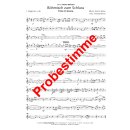
"Die kleine Abschiedsmelodie, erklingt zum Schluss..." - so beginnt der Gesang zu Beginn des Trios, welches einem kurzen, aber sehr abwechslungsreichen ersten Teil folgt. Sascha Dalke, ein junger Komponist und Trompeter aus dem Raum Coburg hat diese schneidige Polka komponiert. Den Text zur Polka verfasste Theresa Böhm. Die Polka im Grad 3 passt in jede Festzeltmappe, kann aber auch im Konzert eine tolle Abwechslung sein.
>> Hier gehts zur Böhmischen Besetzung <<
✅ Als gedruckte oder Download-Ausgabe erhältlich.
✅ Optimal für Festzelt oder Konzert
✅ Frische böhmische Blasmusik für jeden Anlass!
Enthaltene Stimmen - Großes Blasorchester
Direktion in C
Flöte 1 in C (2x)
Oboe in C (2. Flöte) (2x)
Klarinette in Es
1. Klarinette in B (2x)
2. Klarinette in B (2x)
3. Klarinette in B (2x)
1. Altsaxophon in Es (2x)
2. Altsaxophon in Es (2x)
1. Trompete in B (2x)
2. Trompete in B (2x)
1. Flügelhorn in B (2x)
2. Flügelhorn in B (2x)
1. Tenorhorn / 1. Tenorsaxophon in B (2x)
1. Tenorhorn in C (2x)
Bariton in B / 2. Tenorsaxophon in B (2x)
Bariton in C (2x)
1. Horn in F/Es (Begleitung)
2. Horn in F/Es (Begleitung)
3. Horn in F/Es (Begleitung)
1. Horn in F/Es (Melodie)
2. Horn in F/Es (Melodie)
1. Posaune in C/B
2. Posaune in C/B
3. Posaune in C/B
1. Tuba in C / Fagott (2x)
Tuba in Es / Baritonsaxophon (2x)
2. Tuba in C (2x)
Tuba in B (Bassklarinette) (2x)
Schlagzeug
Gesang
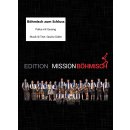
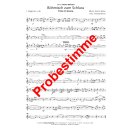
"Die kleine Abschiedsmelodie, erklingt zum Schluss..." - so beginnt der Gesang zu Beginn des Trios, welches einem kurzen, aber sehr abwechslungsreichen ersten Teil folgt. Sascha Dalke, ein junger Komponist und Trompeter aus dem Raum Coburg hat diese schneidige Polka komponiert. Den Text zur Polka verfasste Theresa Böhm. Die Polka im Grad 3 passt in jede Festzeltmappe, kann aber auch im Konzert eine tolle Abwechslung sein.
>> Hier gehts zur Blasorchester-Ausgabe <<
✅ Als gedruckte oder Download-Ausgabe erhältlich.
✅ Optimal für Festzelt oder Konzert
✅ Frische böhmische Blasmusik für jeden Anlass!
Enthaltene Stimmen - Böhmische Besetzung
Direktion in C
Klarinette in Es
1. Klarinette in B
2. Klarinette in B
3. Klarinette in B
1. Trompete in B
2. Trompete in B
1. Flügelhorn in B (2x)
2. Flügelhorn in B (2x)
1. Tenorhorn in B (2x)
1. Tenorhorn in C (2x)
Bariton in B/C (2x)
1. Posaune in C/B
2. Posaune in C/B
3. Posaune in C/B
1. Tuba in C / Fagott
Tuba in Es
2. Tuba in C
Tuba in B
Schlagzeug
Gesang
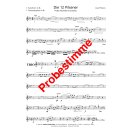
Die 12 Pilsner - eine Polka von Josef Thums. Der aus Böhmen kommende Musiker und Komponist gibt mit dieser Polka seinen Einstand beim melicus.musikverlag. Das Werk im Grad 3 ist der gleichnamigen Musikformation aus der tschechischen Stadt Pilsen gewidmet. Unverkennbar ist der gemütliche Stil von Josef Thums, der sich wie ein roter Faden durch seine Kompositionen zieht.
Enthaltene Stimmen - Großes Blasorchester
Direktion in C
Flöte 1 in C (2x)
Oboe in C (2. Flöte) (2x)
Klarinette in Es
1. Klarinette in B (2x)
2. Klarinette in B (2x)
3. Klarinette in B (2x)
Bassklarinette in B
1. Altsaxophon in Es (2x)
2. Altsaxophon in Es (2x)
1. Trompete in B (2x)
2. Trompete in B (2x)
1. Flügelhorn in B (2x)
2. Flügelhorn in B (2x)
1. Tenorhorn / 1. Tenorsaxophon in B (2x)
1. Tenorhorn in C, (2x)
Bariton in B / 2. Tenorsaxophon in B (2x)
Bariton in C (2x)
1. Horn in F/Es (Begleitung)
2. Horn in F/Es (Begleitung)
3. Horn in F/Es (Begleitung)
1. Horn in F/Es (Melodie)
2. Horn in F/Es (Melodie)
1. Posaune in C/B
2. Posaune in C/B
3. Posaune in C/B
1. Tuba in C / Fagott (2x)
Tuba in Es / Baritonsaxophon (2x)
2. Tuba in C (2x)
Tuba in B (2x)
Schlagzeug
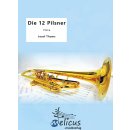
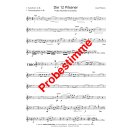
Die 12 Pilsner - eine Polka von Josef Thums. Der aus Böhmen kommende Musiker und Komponist gibt mit dieser Polka seinen Einstand beim melicus.musikverlag. Das Werk im Grad 3 ist der gleichnamigen Musikformation aus der tschechischen Stadt Pilsen gewidmet. Unverkennbar ist der gemütliche Stil von Josef Thums, der sich wie ein roter Faden durch seine Kompositionen zieht.
Enthaltene Stimmen - Böhmische Besetzung
Direktion in C
Klarinette in Es
1. Klarinette in B
2. Klarinette in B
3. Klarinette in B
1. Trompete in B
2. Trompete in B
1. Flügelhorn in B (2x)
2. Flügelhorn in B (2x)
1. Tenorhorn in B (2x)
1. Tenorhorn in C (2x)
Bariton in B/C (2x)
1. Posaune in C/B
2. Posaune in C/B
3. Posaune in C/B
1. Tuba in C / Fagott
Tuba in Es
2. Tuba in C
Tuba in B
Schlagzeug
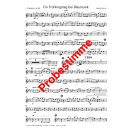
Ein Frühlingstag bei Blasmusik ist eine junge und frische Polka vom jungen Komponisten Jannik Herzer. Jannik ist Teilnehmer der melicus.akademie und hat diese Polka im Schwierigkeitsgrad 3 während des Kompositionsunterrichts geschrieben.
Enthaltene Stimmen
Direktion in C
Flöte 1 in C (2x)
Flöte 2 in C (2x)
Oboe in C
Klarinette in Es
1. Klarinette in B (2x)
2. Klarinette in B (2x)
3. Klarinette in B (2x)
1. Altsaxophon in Es (2x)
2. Altsaxophon in Es (2x)
1. Trompete in B (2x)
2. Trompete in B (2x)
1. Flügelhorn in B (2x)
2. Flügelhorn in B (2x)
1. Tenorhorn / 1. Tenorsaxophon in B (2x)
Bariton in B / 2. Tenorsaxophon in B (2x)
Bariton in C (2x)
1. Horn in F/Es (Begleitung)
2. Horn in F/Es (Begleitung)
3. Horn in F/Es (Begleitung)
1. Horn in F/Es (Melodie)
2. Horn in F/Es (Melodie)
1. Posaune in C/B
2. Posaune in C/B
3. Posaune in C/B
1. Tuba in C / Fagott (2x)
Tuba in Es / Baritonsaxophon (2x)
2. Tuba in C (2x)
Tuba in B / Bassklarinette (2x)
Schlagzeug
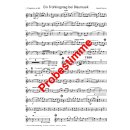
Ein Frühlingstag bei Blasmusik ist eine junge und frische Polka vom jungen Komponisten Jannik Herzer. Jannik ist Teilnehmer der melicus.akademie und hat diese Polka im Schwierigkeitsgrad 3 während des Kompositionsunterrichts geschrieben.
Enthaltene Stimmen
Direktion in C
Klarinette in Es
1. Klarinette in B
2. Klarinette in B
3. Klarinette in B
1. Trompete in B
2. Trompete in B
1. Flügelhorn in B (2x)
2. Flügelhorn in B (2x)
1. Tenorhorn in B (2x)
1. Tenorhorn in C (2x)
Bariton in B/C (2x)
1. Posaune in C/B
2. Posaune in C/B
3. Posaune in C/B
1. Tuba in C / Fagott
Tuba in Es
2. Tuba in C
Tuba in B
Schlagzeug
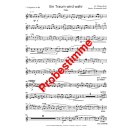
"Ein Traum wird wahr" ist eine Polka von Philipp Roth, die Bearbeitung dazu schrieb Konstantin Stahl. Diese Komposition im Grad 3 läd wahrhaftig zum Träumen ein. Getragene Melodien und solistisch geführte Klarinetten und Posaunen vollenden diese Polka. Nicht zu schnell und sehr gefühlvoll gespielt, wird diese Polka schon beim da Capo des ersten Teils die Zuhörer mitreißen.
Enthaltene Stimmen
Direktion in C
Flöte 1 in C (2x)
Flöte 2 in C (2x)
Oboe in C
Klarinette in Es
1. Klarinette in B (2x)
2. Klarinette in B (2x)
3. Klarinette in B (2x)
1. Altsaxophon in Es (2x)
2. Altsaxophon in Es (2x)
1. Trompete in B (2x)
2. Trompete in B (2x)
1. Flügelhorn in B (2x)
2. Flügelhorn in B (2x)
1. Tenorhorn / 1. Tenorsaxophon in B (2x)
Bariton in B / 2. Tenorsaxophon in B (2x)
Bariton in C (2x)
1. Horn in F/Es (Begleitung)
2. Horn in F/Es (Begleitung)
3. Horn in F/Es (Begleitung)
1. Horn in F/Es (Melodie)
2. Horn in F/Es (Melodie)
1. Posaune in C/B
2. Posaune in C/B
3. Posaune in C/B
1. Tuba in C / Fagott (2x)
Tuba in Es / Baritonsaxophon (2x)
2. Tuba in C (2x)
Tuba in B / Bassklarinette (2x)
Schlagzeug
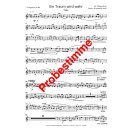
"Ein Traum wird wahr" ist eine Polka von Philipp Roth, die Bearbeitung dazu schrieb Konstantin Stahl. Diese Komposition im Grad 3 läd wahrhaftig zum Träumen ein. Getragene Melodien und solistisch geführte Klarinetten und Posaunen vollenden diese Polka. Nicht zu schnell und sehr gefühlvoll gespielt, wird diese Polka schon beim da Capo des ersten Teils die Zuhörer mitreißen.
Enthaltene Stimmen
Direktion in C
Klarinette in Es
1. Klarinette in B
2. Klarinette in B
3. Klarinette in B
1. Trompete in B
2. Trompete in B
1. Flügelhorn in B (2x)
2. Flügelhorn in B (2x)
1. Tenorhorn in B (2x)
1. Tenorhorn in C (2x)
Bariton in B/C (2x)
1. Posaune in C/B
2. Posaune in C/B
3. Posaune in C/B
1. Tuba in C / Fagott
Tuba in Es
2. Tuba in C
Tuba in B
Schlagzeug
Erwacht aus einem Traum, eine böhmische Polka von Stefan A. Frank. Dieses Werk im Grad 3 beginnt mit einer langsamen Kadenz, gefolgt von typisch Polka-Elementen. Durch die besonders markanten Sequenzen im Trio, hat diese Polka durchaus Konzertcharakter. Fabian Kerber, der Tenorhornist und Leiter der Formation "Philharmenka - Die Nürnberg Böhmische", hat die Blasorchester-Version (-hier erhältlich-) perfekt für kleine Besetzung arrangiert.
Geht die Sonne auf, eine Polka mit Gesang von Daniel Käsbauer. Diese mitreißende Polka im Grad 3 beginnt mit einem ruhigen ersten Teil, der durch eine feine Harmonik Sehnsüchte nach einem romantischen Sonnenaufgang zum Ausdruck bringt. Im sich anschließenden zweiten Teil werden diese untermauert und gipfeln in einer energischen Reprise. Das Trio besteht aus weichen Kantilenen, welche von einem Gesangsduo besungen werden können. Ein kleines Basssolo und ein weiterer kleiner Melodieabschnitt leiten zur Trio-Wiederholung über.
Enthaltene Stimmen - Großes Blasorchester
Direktion in C
Flöte 1 in C (2x)
Oboe in C (2. Flöte) (2x)
Klarinette in Es
1. Klarinette in B (2x)
2. Klarinette in B (2x)
3. Klarinette in B (2x)
1. Altsaxophon in Es (2x)
2. Altsaxophon in Es (2x)
1. Trompete in B (2x)
2. Trompete in B (2x)
1. Flügelhorn in B (2x)
2. Flügelhorn in B (2x)
1. Tenorhorn / 1. Tenorsaxophon in B (2x)
1. Tenorhorn in C, 2x
Bariton in B / 2. Tenorsaxophon in B (2x)
Bariton in C (2x)
1. Horn in F/Es (Begleitung)
2. Horn in F/Es (Begleitung)
3. Horn in F/Es (Begleitung)
1. Horn in F/Es (Melodie)
2. Horn in F/Es (Melodie)
1. Posaune in C/B
2. Posaune in C/B
3. Posaune in C/B
1. Tuba in C / Fagott (2x)
Tuba in Es / Baritonsaxophon (2x)
2. Tuba in C (2x)
Tuba in B (Bassklarinette) (2x)
Schlagzeug
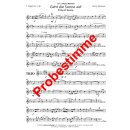
Geht die Sonne auf, eine Polka mit Gesang von Daniel Käsbauer. Diese mitreißende Polka im Grad 3 beginnt mit einem ruhigen ersten Teil, der durch eine feine Harmonik Sehnsüchte nach einem romantischen Sonnenaufgang zum Ausdruck bringt. Im sich anschließenden zweiten Teil werden diese untermauert und gipfeln in einer energischen Reprise. Das Trio besteht aus weichen Kantilenen, welche von einem Gesangsduo besungen werden können. Ein kleines Basssolo und ein weiterer kleiner Melodieabschnitt leiten zur Trio-Wiederholung über.
Enthaltene Stimmen - Böhmische Besetzung
Direktion in C
Klarinette in Es
1. Klarinette in B
2. Klarinette in B
3. Klarinette in B
1. Trompete in B
2. Trompete in B
1. Flügelhorn in B (2x)
2. Flügelhorn in B (2x)
1. Tenorhorn in B (2x)
1. Tenorhorn in C (2x)
Bariton in B/C (2x)
1. Posaune in C/B
2. Posaune in C/B
3. Posaune in C/B
1. Tuba in C / Fagott
Tuba in Es
2. Tuba in C
Tuba in B
Schlagzeug
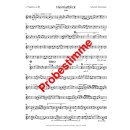
Die Polka "Heimatblick" von Sebastian Heinzmann im Schwierigkeitsgrad 3 ist im Rahmen des Kompositionsunterrichts der melicus.akademie entstanden.
Enthaltene Stimmen
Direktion in C
Flöte 1 in C (2x)
Flöte 2 in C (2x)
Oboe in C
Klarinette in Es
1. Klarinette in B (2x)
2. Klarinette in B (2x)
3. Klarinette in B (2x)
1. Altsaxophon in Es (2x)
2. Altsaxophon in Es (2x)
1. Trompete in B (2x)
2. Trompete in B (2x)
1. Flügelhorn in B (2x)
2. Flügelhorn in B (2x)
1. Tenorhorn / 1. Tenorsaxophon in B (2x)
Bariton in B / 2. Tenorsaxophon in B (2x)
Bariton in C (2x)
1. Horn in F/Es (Begleitung)
2. Horn in F/Es (Begleitung)
3. Horn in F/Es (Begleitung)
1. Horn in F/Es (Melodie)
2. Horn in F/Es (Melodie)
1. Posaune in C/B
2. Posaune in C/B
3. Posaune in C/B
1. Tuba in C / Fagott (2x)
Tuba in Es / Baritonsaxophon (2x)
2. Tuba in C (2x)
Tuba in B / Bassklarinette (2x)
Schlagzeug
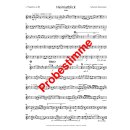
Die Polka "Heimatblick" von Sebastian Heinzmann im Schwierigkeitsgrad 3 ist im Rahmen des Kompositionsunterrichts der melicus.akademie entstanden.
Enthaltene Stimmen
Direktion in C
Klarinette in Es
1. Klarinette in B
2. Klarinette in B
3. Klarinette in B
1. Trompete in B
2. Trompete in B
1. Flügelhorn in B (2x)
2. Flügelhorn in B (2x)
1. Tenorhorn in B (2x)
1. Tenorhorn in C (2x)
Bariton in B/C (2x)
1. Posaune in C/B
2. Posaune in C/B
3. Posaune in C/B
1. Tuba in C / Fagott
Tuba in Es
2. Tuba in C
Tuba in B
Schlagzeug
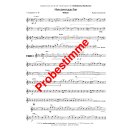
Robin Kürschner, ein junger Komponist aus Chemnitz und Dirigent der "Heidelbachtal Musikanten" hat diesen wunderschönen Walzer im Schwierigkeitsgrad 3 komponiert. Ein harmonisch traumhafter erster Teil beweist, dass Robin Kürschner ein Musiker mit Herz ist. Das Trio besticht durch eine einfache, aber dennoch weiche Melodie.
Enthaltene Stimmen - Großes Blasorchester
Direktion in C
Flöte 1 in C (2x)
Oboe in C (2. Flöte) (2x)
Klarinette in Es
1. Klarinette in B (2x)
2. Klarinette in B (2x)
3. Klarinette in B (2x)
1. Altsaxophon in Es (2x)
2. Altsaxophon in Es (2x)
1. Trompete in B (2x)
2. Trompete in B (2x)
1. Flügelhorn in B (2x)
2. Flügelhorn in B (2x)
1. Tenorhorn / 1. Tenorsaxophon in B (2x)
1. Tenorhorn in C, 2x
Bariton in B / 2. Tenorsaxophon in B (2x)
Bariton in C (2x)
1. Horn in F/Es (Begleitung)
2. Horn in F/Es (Begleitung)
3. Horn in F/Es (Begleitung)
1. Horn in F/Es (Melodie)
2. Horn in F/Es (Melodie)
1. Posaune in C/B
2. Posaune in C/B
3. Posaune in C/B
1. Tuba in C / Fagott (2x)
Tuba in Es / Baritonsaxophon (2x)
2. Tuba in C (2x)
Tuba in B (Bassklarinette) (2x)
Schlagzeug
Robin Kürschner, ein junger Komponist aus Chemnitz und Dirigent der "Heidelbachtal Musikanten" hat diesen wunderschönen Walzer im Schwierigkeitsgrad 3 komponiert. Ein harmonisch traumhafter erster Teil beweist, dass Robin Kürschner ein Musiker mit Herz ist. Das Trio besticht durch eine einfache, aber dennoch weiche Melodie.
Enthaltene Stimmen - Böhmische Besetzung
Direktion in C
Klarinette in Es
1. Klarinette in B
2. Klarinette in B
3. Klarinette in B
1. Trompete in B
2. Trompete in B
1. Flügelhorn in B (2x)
2. Flügelhorn in B (2x)
1. Tenorhorn in B (2x)
1. Tenorhorn in C (2x)
Bariton in B/C (2x)
1. Posaune in C/B
2. Posaune in C/B
3. Posaune in C/B
1. Tuba in C / Fagott
Tuba in Es
2. Tuba in C
Tuba in B
Schlagzeug
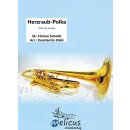
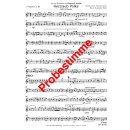
Mit der Herzraub Polka gibt Florian Scherbl, Dirigent der Blaskapelle Weiding sein Debüt im melicus.musikverlag. Gemeinsam mit dem jungen Komponisten und Arrangeur Konstantin Stahl entstand diese Polka mit Gesang. Der Text stammt vom Komponisten selbst. Das Werk im Grad 3 ist eingängig und kommt ohne komplizierte Passagen aus.
Enthaltene Stimmen - Großes Blasorchester
Direktion in C
Flöte 1 in C (2x)
Oboe in C (2. Flöte) (2x)
Klarinette in Es
1. Klarinette in B (2x)
2. Klarinette in B (2x)
3. Klarinette in B (2x)
Bassklarinette in B
1. Altsaxophon in Es (2x)
2. Altsaxophon in Es (2x)
1. Trompete in B (2x)
2. Trompete in B (2x)
1. Flügelhorn in B (2x)
2. Flügelhorn in B (2x)
1. Tenorhorn / 1. Tenorsaxophon in B (2x)
1. Tenorhorn in C, (2x)
Bariton in B / 2. Tenorsaxophon in B (2x)
Bariton in C (2x)
1. Horn in F/Es (Begleitung)
2. Horn in F/Es (Begleitung)
3. Horn in F/Es (Begleitung)
1. Horn in F/Es (Melodie)
2. Horn in F/Es (Melodie)
1. Posaune in C/B
2. Posaune in C/B
3. Posaune in C/B
1. Tuba in C / Fagott (2x)
Tuba in Es / Baritonsaxophon (2x)
2. Tuba in C (2x)
Tuba in B (2x)
Schlagzeug
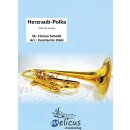
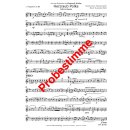
Mit der Herzraub Polka gibt Florian Scherbl, Dirigent der Blaskapelle Weiding sein Debüt im melicus.musikverlag. Gemeinsam mit dem jungen Komponisten und Arrangeur Konstantin Stahl entstand diese Polka mit Gesang. Der Text stammt vom Komponisten selbst. Das Werk im Grad 3 ist eingängig und kommt ohne komplizierte Passagen aus.
Enthaltene Stimmen - Böhmische Besetzung
Direktion in C
Klarinette in Es
1. Klarinette in B
2. Klarinette in B
3. Klarinette in B
1. Trompete in B
2. Trompete in B
1. Flügelhorn in B (2x)
2. Flügelhorn in B (2x)
1. Tenorhorn in B (2x)
1. Tenorhorn in C (2x)
Bariton in B/C (2x)
1. Posaune in C/B
2. Posaune in C/B
3. Posaune in C/B
1. Tuba in C / Fagott
Tuba in Es
2. Tuba in C
Tuba in B
Schlagzeug
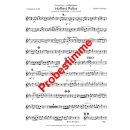
Die Hoffest Polka von Daniel Fischinger wurde der Familie Hofer aus Unterrussenried gewidmet. Die Polka im Grad 3 ist im Repertoire der Formation "BlechXpress"
Enthaltene Stimmen
Direktion in C
Flöte 1 in C (2x)
Flöte 2 in C (2x)
Oboe in C
Klarinette in Es
1. Klarinette in B (2x)
2. Klarinette in B (2x)
3. Klarinette in B (2x)
1. Altsaxophon in Es (2x)
2. Altsaxophon in Es (2x)
1. Trompete in B (2x)
2. Trompete in B (2x)
1. Flügelhorn in B (2x)
2. Flügelhorn in B (2x)
1. Tenorhorn / 1. Tenorsaxophon in B (2x)
Bariton in B / 2. Tenorsaxophon in B (2x)
Bariton in C (2x)
1. Horn in F/Es (Begleitung)
2. Horn in F/Es (Begleitung)
3. Horn in F/Es (Begleitung)
1. Horn in F/Es (Melodie)
2. Horn in F/Es (Melodie)
1. Posaune in C/B
2. Posaune in C/B
3. Posaune in C/B
1. Tuba in C / Fagott (2x)
Tuba in Es / Baritonsaxophon (2x)
2. Tuba in C (2x)
Tuba in B / Bassklarinette (2x)
Schlagzeug

Die Hoffest Polka von Daniel Fischinger wurde der Familie Hofer aus Unterrussenried gewidmet. Die Polka im Grad 3 ist im Repertoire der Formation "BlechXpress"
Enthaltene Stimmen
Direktion in C
Klarinette in Es
1. Klarinette in B
2. Klarinette in B
3. Klarinette in B
1. Trompete in B
2. Trompete in B
1. Flügelhorn in B (2x)
2. Flügelhorn in B (2x)
1. Tenorhorn in B (2x)
1. Tenorhorn in C (2x)
Bariton in B/C (2x)
1. Posaune in C/B
2. Posaune in C/B
3. Posaune in C/B
1. Tuba in C / Fagott
Tuba in Es
2. Tuba in C
Tuba in B
Schlagzeug
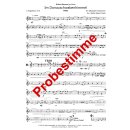
Sebastian Heinzmann komponierte diese Polka für seinen Freund Helmut Hummel. Dieser war viele Jahre Chef von "Helmut Hummel und seine Neue Donauschwäbische Blasmusik“. Das Werk im Grad 3 wurde von Stefan Albert Frank arrangiert.
Enthaltene Stimmen - Großes Blasorchester
Direktion in C
Flöte 1 in C (2x)
Oboe in C (2. Flöte) (2x)
Klarinette in Es
1. Klarinette in B (2x)
2. Klarinette in B (2x)
3. Klarinette in B (2x)
1. Altsaxophon in Es (2x)
2. Altsaxophon in Es (2x)
1. Trompete in B (2x)
2. Trompete in B (2x)
1. Flügelhorn in B (2x)
2. Flügelhorn in B (2x)
1. Tenorhorn / 1. Tenorsaxophon in B (2x)
1. Tenorhorn in C, (2x)
Bariton in B / 2. Tenorsaxophon in B (2x)
Bariton in C (2x)
1. Horn in F/Es (Begleitung)
2. Horn in F/Es (Begleitung)
3. Horn in F/Es (Begleitung)
1. Horn in F/Es (Melodie)
2. Horn in F/Es (Melodie)
1. Posaune in C/B
2. Posaune in C/B
3. Posaune in C/B
1. Tuba in C / Fagott (2x)
Tuba in Es / Baritonsaxophon (2x)
2. Tuba in C (2x)
Tuba in B (Bassklarinette) (2x)
Schlagzeug
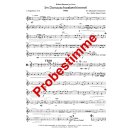
Sebastian Heinzmann komponierte diese Polka für seinen Freund Helmut Hummel. Dieser war viele Jahre Chef von "Helmut Hummel und seine Neue Donauschwäbische Blasmusik“. Das Werk im Grad 3 wurde von Stefan Albert Frank arrangiert.
Enthaltene Stimmen - Böhmische Besetzung
Direktion in C
Klarinette in Es
1. Klarinette in B
2. Klarinette in B
3. Klarinette in B
1. Trompete in B
2. Trompete in B
1. Flügelhorn in B (2x)
2. Flügelhorn in B (2x)
1. Tenorhorn in B (2x)
1. Tenorhorn in C (2x)
Bariton in B/C (2x)
1. Posaune in C/B
2. Posaune in C/B
3. Posaune in C/B
1. Tuba in C / Fagott
Tuba in Es
2. Tuba in C
Tuba in B
Schlagzeug
- Wichtige Informationen zur Download Ausgabe -
- Download Ausgaben liefern wir nur gegen Vorkasse!
- Sie erhalten max. 24 Stunden nach Zahlungseingang
einen auf ihren Namen lizenzierten Notensatz per Mail! - Die Lizenzangaben dürfen nicht entfernt werden!
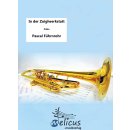
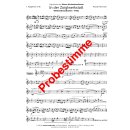
Pascal Führnrohr komponierte diese Polka im Schwierigkeitsgrad 3. Besonders markant ist der erste Teil, der durch die besondere Rhythmik an einen "Boarischen" erinnert. Das kurze und knackige Basssolo leitet zur Reprise des ersten Teils über. Im Trio sind lange, harmonische Phrasen, die nach einem Akkordeon-Solo nochmal im Tutti erklingen. Gewidmet ist diese Komposition den Eslarner Werkstattmusikanten. Wir finden, diese Komposition ist streckenweise keine typische böhmische Polka, was sie für Abwechslung-Suchende zu einer Bereicherung in der Notenmappe macht!
Enthaltene Stimmen - Großes Blasorchester
Direktion in C
Flöte 1 in C (2x)
Oboe in C (2. Flöte) (2x)
Klarinette in Es
1. Klarinette in B (2x)
2. Klarinette in B (2x)
3. Klarinette in B (2x)
1. Altsaxophon in Es (2x)
2. Altsaxophon in Es (2x)
1. Trompete in B (2x)
2. Trompete in B (2x)
1. Flügelhorn in B (2x)
2. Flügelhorn in B (2x)
1. Tenorhorn / 1. Tenorsaxophon in B (2x)
1. Tenorhorn in C, (2x)
Bariton in B / 2. Tenorsaxophon in B (2x)
Bariton in C (2x)
1. Horn in F/Es (Begleitung)
2. Horn in F/Es (Begleitung)
3. Horn in F/Es (Begleitung)
1. Horn in F/Es (Melodie)
2. Horn in F/Es (Melodie)
1. Posaune in C/B
2. Posaune in C/B
3. Posaune in C/B
1. Tuba in C / Fagott (2x)
Tuba in Es / Baritonsaxophon (2x)
2. Tuba in C (2x)
Tuba in B (Bassklarinette) (2x)
Schlagzeug
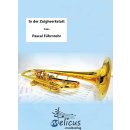
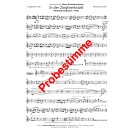
Pascal Führnrohr komponierte diese Polka im Schwierigkeitsgrad 3. Besonders markant ist der erste Teil, der durch die besondere Rhythmik an einen "Boarischen" erinnert. Das kurze und knackige Basssolo leitet zur Reprise des ersten Teils über. Im Trio sind lange, harmonische Phrasen, die nach einem Akkordeon-Solo nochmal im Tutti erklingen. Gewidmet ist diese Komposition den Eslarner Werkstattmusikanten. Wir finden, diese Komposition ist streckenweise keine typische böhmische Polka, was sie für Abwechslung-Suchende zu einer Bereicherung in der Notenmappe macht!
Enthaltene Stimmen - Böhmische Besetzung
Direktion in C
Klarinette in Es
1. Klarinette in B
2. Klarinette in B
3. Klarinette in B
1. Trompete in B
2. Trompete in B
1. Flügelhorn in B (2x)
2. Flügelhorn in B (2x)
1. Tenorhorn in B (2x)
1. Tenorhorn in C (2x)
Bariton in B/C (2x)
1. Posaune in C/B
2. Posaune in C/B
3. Posaune in C/B
1. Tuba in C / Fagott
Tuba in Es
2. Tuba in C
Tuba in B
Schlagzeug

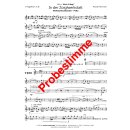
Pascal Führnrohr komponierte diese Polka im Schwierigkeitsgrad 3. Besonders markant ist der erste Teil, der durch die besondere Rhythmik an einen "Boarischen" erinnert. Das kurze und knackige Basssolo leitet zur Reprise des ersten Teils über. Im Trio sind lange, harmonische Phrasen, die nach einem Akkordeon-Solo nochmal im Tutti erklingen. Gewidmet ist diese Komposition den Eslarner Werkstattmusikanten. Wir finden, diese Komposition ist streckenweise keine typische böhmische Polka, was sie für Abwechslung-Suchende zu einer Bereicherung in der Notenmappe macht!
Enthaltene Stimmen - Blech & (Balg)
Akkordeon in C (Direktion)
Trompete in B
1. Flügelhorn in B
2. Flügelhorn in B
Tenorhorn in B/C
Bariton in B/C
Tuba in C/B
Schlagzeug
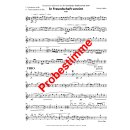
In Freundschaft vereint - eine schmissige Polka im Grad 3 von Sascha Dalke. Sascha ist mittlerweile ein gefragter Komponist unseres Verlags, da seine Kompositionen stets von Abwechslung geprägt aber nie zu abgehoben sind. Auch mit "In Freundschaft vereint" bündelt er geschickt und gekonnt die Töne und Harmonien, sodass ein absolutes Schmankerl entstanden ist. So ist es nicht verwunderlich, dass sowohl beim Da Capo als auch beim Trio Dal Segno das Feuer auf das Publikum überspringt. Sie glauben mir nicht? Hören Sie sich die Demo-Aufnahme an!
Enthaltene Stimmen - Großes Blasorchester
Direktion in C
Flöte 1 in C (2x)
Oboe in C (2. Flöte) (2x)
Klarinette in Es
1. Klarinette in B (2x)
2. Klarinette in B (2x)
3. Klarinette in B (2x)
Bassklarinette in B
1. Altsaxophon in Es (2x)
2. Altsaxophon in Es (2x)
1. Trompete in B (2x)
2. Trompete in B (2x)
1. Flügelhorn in B (2x)
2. Flügelhorn in B (2x)
1. Tenorhorn / 1. Tenorsaxophon in B (2x)
1. Tenorhorn in C, (2x)
Bariton in B / 2. Tenorsaxophon in B (2x)
Bariton in C (2x)
1. Horn in F/Es (Begleitung)
2. Horn in F/Es (Begleitung)
3. Horn in F/Es (Begleitung)
1. Horn in F/Es (Melodie)
2. Horn in F/Es (Melodie)
1. Posaune in C/B
2. Posaune in C/B
3. Posaune in C/B
1. Tuba in C / Fagott (2x)
Tuba in Es / Baritonsaxophon (2x)
2. Tuba in C (2x)
Tuba in B (2x)
Schlagzeug
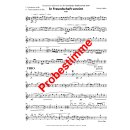
In Freundschaft vereint - eine schmissige Polka im Grad 3 von Sascha Dalke. Sascha ist mittlerweile ein gefragter Komponist unseres Verlags, da seine Kompositionen stets von Abwechslung geprägt aber nie zu abgehoben sind. Auch mit "In Freundschaft vereint" bündelt er geschickt und gekonnt die Töne und Harmonien, sodass ein absolutes Schmankerl entstanden ist. So ist es nicht verwunderlich, dass sowohl beim Da Capo als auch beim Trio Dal Segno das Feuer auf das Publikum überspringt. Sie glauben mir nicht? Hören Sie sich die Demo-Aufnahme an!
Enthaltene Stimmen - Böhmische Besetzung
Direktion in C
Klarinette in Es
1. Klarinette in B
2. Klarinette in B
3. Klarinette in B
1. Trompete in B
2. Trompete in B
1. Flügelhorn in B (2x)
2. Flügelhorn in B (2x)
1. Tenorhorn in B (2x)
1. Tenorhorn in C (2x)
Bariton in B/C (2x)
1. Posaune in C/B
2. Posaune in C/B
3. Posaune in C/B
1. Tuba in C / Fagott
Tuba in Es
2. Tuba in C
Tuba in B
Schlagzeug
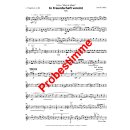
In Freundschaft vereint - eine schmissige Polka im Grad 3 von Sascha Dalke. Sascha ist mittlerweile ein gefragter Komponist unseres Verlags, da seine Kompositionen stets von Abwechslung geprägt aber nie zu abgehoben sind. Auch mit "In Freundschaft vereint" bündelt er geschickt und gekonnt die Töne und Harmonien, sodass ein absolutes Schmankerl entstanden ist. So ist es nicht verwunderlich, dass sowohl beim Da Capo als auch beim Trio Dal Segno das Feuer auf das Publikum überspringt. Sie glauben mir nicht? Hören Sie sich die Demo-Aufnahme an!
Enthaltene Stimmen - Blech & (Balg)
Akkordeon in C (Direktion)
Trompete in B
1. Flügelhorn in B
2. Flügelhorn in B
Tenorhorn in B/C
Bariton in B/C
Tuba in C/B/Eb
Schlagzeug
Das vierblättrige Kleeblatt ist ein bekanntes Symbol für Glück. In der freien Natur ist es äußerst selten zu finden, man muss also schon sehr viel Glück haben. Der junge Komponist Stefan Kühndorf komponierte diese Polka und gab ihr den Namen dieser grünen Seltenheit. Die schwungvolle Komposition im Grad 3 beginnt mit einem zackigen ersten Teil und mündet in einen lyrischen zweiten Abschnitt, bevor ein „Da Capo“ den ersten Teil wiederholt. Das Trio-Thema besticht durch außergewöhnliche Harmonien, welches abwechselnd von Flügelhörnern und Tenorhörnern vorgetragen wird. Nach einem prägnanten Basssolo wird das Trio schließlich im Tutti wiederholt. Hier kommen die harmonischen Raffinessen besonders zur Geltung. Wir sind uns einig: Stefan Kühndorf hatte bei dieser Komposition definitiv ein „glückliches Händchen“.
Enthaltene Stimmen - Großes Blasorchester
Direktion in C
Flöte 1 in C (2x)
Oboe in C (2. Flöte) (2x)
Klarinette in Es
1. Klarinette in B (2x)
2. Klarinette in B (2x)
3. Klarinette in B (2x)
1. Altsaxophon in Es (2x)
2. Altsaxophon in Es (2x)
1. Trompete in B (2x)
2. Trompete in B (2x)
1. Flügelhorn in B (2x)
2. Flügelhorn in B (2x)
1. Tenorhorn / 1. Tenorsaxophon in B (2x)
1. Tenorhorn in C, 2x
Bariton in B / 2. Tenorsaxophon in B (2x)
Bariton in C (2x)
1. Horn in F/Es (Begleitung)
2. Horn in F/Es (Begleitung)
3. Horn in F/Es (Begleitung)
1. Horn in F/Es (Melodie)
2. Horn in F/Es (Melodie)
1. Posaune in C/B
2. Posaune in C/B
3. Posaune in C/B
1. Tuba in C / Fagott (2x)
Tuba in Es / Baritonsaxophon (2x)
2. Tuba in C (2x)
Tuba in B (Bassklarinette) (2x)
Schlagzeug
Das vierblättrige Kleeblatt ist ein bekanntes Symbol für Glück. In der freien Natur ist es äußerst selten zu finden, man muss also schon sehr viel Glück haben. Der junge Komponist Stefan Kühndorf komponierte diese Polka und gab ihr den Namen dieser grünen Seltenheit. Die schwungvolle Komposition im Grad 3 beginnt mit einem zackigen ersten Teil und mündet in einen lyrischen zweiten Abschnitt, bevor ein „Da Capo“ den ersten Teil wiederholt. Das Trio-Thema besticht durch außergewöhnliche Harmonien, welches abwechselnd von Flügelhörnern und Tenorhörnern vorgetragen wird. Nach einem prägnanten Basssolo wird das Trio schließlich im Tutti wiederholt. Hier kommen die harmonischen Raffinessen besonders zur Geltung. Wir sind uns einig: Stefan Kühndorf hatte bei dieser Komposition definitiv ein „glückliches Händchen“.
Enthaltene Stimmen - Böhmische Besetzung
Direktion in C
Klarinette in Es
1. Klarinette in B
2. Klarinette in B
3. Klarinette in B
1. Trompete in B
2. Trompete in B
1. Flügelhorn in B (2x)
2. Flügelhorn in B (2x)
1. Tenorhorn in B (2x)
1. Tenorhorn in C (2x)
Bariton in B/C (2x)
1. Posaune in C/B
2. Posaune in C/B
3. Posaune in C/B
1. Tuba in C / Fagott
Tuba in Es
2. Tuba in C
Tuba in B
Schlagzeug
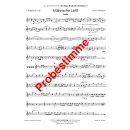
Mährische Löffl, eine Polka im mährischen Stil von Daniel Käsbauer. Die Komposition im Grad 3 sollte nicht zu langsam gespielt werden. Tenor- und Flügelhörner wechseln sich bei den Melodie-Themen jeweils ab und optional kann im Trio "gelöffelt" werden.
Enthaltene Stimmen - Großes Blasorchester
Direktion in C
Flöte 1 in C (2x)
Flöte 2 in C (2x)
Oboe in C
Klarinette in Es
1. Klarinette in B (2x)
2. Klarinette in B (2x)
3. Klarinette in B (2x)
Bassklarinette in B
1. Altsaxophon in Es (2x)
2. Altsaxophon in Es (2x)
1. Trompete in B (2x)
2. Trompete in B (2x)
1. Flügelhorn in B (2x)
2. Flügelhorn in B (2x)
1. Tenorhorn / 1. Tenorsaxophon in B (2x)
(1. Tenorhorn in C, 2x)
Bariton in B / 2. Tenorsaxophon in B (2x)
Bariton in C (2x)
1. Horn in F/Es (Begleitung)
2. Horn in F/Es (Begleitung)
3. Horn in F/Es (Begleitung)
1. Horn in F/Es (Melodie)
2. Horn in F/Es (Melodie)
1. Posaune in C/B
2. Posaune in C/B
3. Posaune in C/B
1. Tuba in C / Fagott (2x)
Tuba in Es / Baritonsaxophon (2x)
2. Tuba in C (2x)
Tuba in B (2x)
Schlagzeug
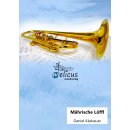
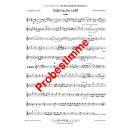
Mährische Löffl, eine Polka im mährischen Stil von Daniel Käsbauer. Die Komposition im Grad 3 sollte nicht zu langsam gespielt werden. Tenor- und Flügelhörner wechseln sich bei den Melodie-Themen jeweils ab und optional kann im Trio "gelöffelt" werden.
Enthaltene Stimmen - Böhmische Besetzung
Direktion in C
Klarinette in Es
1. Klarinette in B
2. Klarinette in B
3. Klarinette in B
1. Trompete in B
2. Trompete in B
1. Flügelhorn in B (2x)
2. Flügelhorn in B (2x)
1. Tenorhorn / 1. Tenorsaxophon in B (2x)
(1. Tenorhorn in C, 2x)
Bariton in B/C (2x)
1. Posaune in C/B
2. Posaune in C/B
3. Posaune in C/B
1. Tuba in C / Fagott (2x)
Tuba in Es / Baritonsaxophon (2x)
2. Tuba in C (2x)
Tuba in B (2x)
Schlagzeug
Mit seiner filmmusikalisch angehauchten Einleitung und seinen ausdrucksstarken Melodien geht der Konzertmarsch „Marsa Alam" sofort ins Ohr! Das Werk aus der Feder von Jonas Bäumler gibt es ab sofort auch für kleine Besetzung! In Sinne der „Edition Hochdruck Böhmische“ wurde der Marsch speziell an diese Besetzungsform angepasst: Durch mehr Nebenmelodien und einen höheren Grad an Virtuosität wirkt der Marsch in der kleinen Besetzung noch energetischer! Dieser Notensatz ist nur als Download-Ausgabe erhältlich.
Enthaltene Stimmen
Direktion in C
Trompete in Bb
1. Flügelhorn in Bb
2. Flügelhorn in Bb
Tenorhorn in Bb/C
Bariton in Bb/C
Tuba in C/Es/Bb
Schlagzeug
Stefan Kühndorf, ein junger Komponist und Tubist hat die Mausi Polka komponiert. Das Werk im Grad 3 wird etwas flotter gespielt und erhält dadurch einen besonderen "Groove". Kühndorfs Markenzeichen sind - neben sehr eingängigen Melodien - die äußerst interessanten und sehr intelligent gesetzten Modulationen und Umspielungen. Gerade diese machen auch die Mausi Polka zu einem besonderen Unikat!
Enthaltene Stimmen - Großes Blasorchester
Direktion in C
Flöte 1 in C (2x)
Oboe in C (2. Flöte) (2x)
Klarinette in Es
1. Klarinette in B (2x)
2. Klarinette in B (2x)
3. Klarinette in B (2x)
1. Altsaxophon in Es (2x)
2. Altsaxophon in Es (2x)
1. Trompete in B (2x)
2. Trompete in B (2x)
1. Flügelhorn in B (2x)
2. Flügelhorn in B (2x)
1. Tenorhorn / 1. Tenorsaxophon in B (2x)
1. Tenorhorn in C, (2x)
Bariton in B / 2. Tenorsaxophon in B (2x)
Bariton in C (2x)
1. Horn in F/Es (Begleitung)
2. Horn in F/Es (Begleitung)
3. Horn in F/Es (Begleitung)
1. Horn in F/Es (Melodie)
2. Horn in F/Es (Melodie)
1. Posaune in C/B
2. Posaune in C/B
3. Posaune in C/B
1. Tuba in C / Fagott (2x)
Tuba in Es / Baritonsaxophon (2x)
2. Tuba in C (2x)
Tuba in B (Bassklarinette) (2x)
Schlagzeug
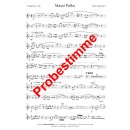
Stefan Kühndorf, ein junger Komponist und Tubist hat die Mausi Polka komponiert. Das Werk im Grad 3 wird etwas flotter gespielt und erhält dadurch einen besonderen "Groove". Kühndorfs Markenzeichen sind - neben sehr eingängigen Melodien - die äußerst interessanten und sehr intelligent gesetzten Modulationen und Umspielungen. Gerade diese machen auch die Mausi Polka zu einem besonderen Unikat!
Enthaltene Stimmen - Böhmische Besetzung
Direktion in C
Klarinette in Es
1. Klarinette in B
2. Klarinette in B
3. Klarinette in B
1. Trompete in B
2. Trompete in B
1. Flügelhorn in B (2x)
2. Flügelhorn in B (2x)
1. Tenorhorn in B (2x)
1. Tenorhorn in C (2x)
Bariton in B/C (2x)
1. Posaune in C/B
2. Posaune in C/B
3. Posaune in C/B
1. Tuba in C / Fagott
Tuba in Es
2. Tuba in C
Tuba in B
Schlagzeug
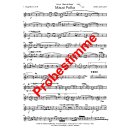
Stefan Kühndorf, ein junger Komponist und Tubist hat die Mausi Polka komponiert. Das Werk im Grad 3 wird etwas flotter gespielt und erhält dadurch einen besonderen "Groove". Kühndorfs Markenzeichen sind - neben sehr eingängigen Melodien - die äußerst interessanten und sehr intelligent gesetzten Modulationen und Umspielungen. Gerade diese machen auch die Mausi Polka zu einem besonderen Unikat!
Enthaltene Stimmen - Blech & (Balg)
Akkordeon in C (Direktion)
Trompete in B
1. Flügelhorn in B
2. Flügelhorn in B
Tenorhorn in B/C
Bariton in B/C
Tuba in C/B
Schlagzeug

Musikantenheimat - Marsch von Philipp Roth, Bearbeitung Stefan A. Frank
Enthaltene Stimmen - Blech & (Balg)
Akkordeon in C (Direktion)
Trompete in B
1. Flügelhorn in B
2. Flügelhorn in B
Tenorhorn in B/C
Bariton in B/C
Tuba in C/B/Eb
Schlagzeug
Säirer Musiggä, eine Polka mit Gesang von Gerhardt Bernath. Diese Komposition im Grad 3, welche im Rahmen des Kompositionsunterrichts der melicus.akademie entstanden ist, widmet der Komponist den Sodenthaler Musikern. Den Text schrieb Gerhardt Bernaths Frau Anja Bernath. Dieser ist auch als neutraler Text dem Notensatz beigefügt.
Enthaltene Stimmen
Direktion in C
Flöte 1 in C (2x)
Flöte 2 in C (2x)
Oboe in C
Klarinette in Es
1. Klarinette in B (2x)
2. Klarinette in B (2x)
3. Klarinette in B (2x)
1. Altsaxophon in Es (2x)
2. Altsaxophon in Es (2x)
1. Trompete in B (2x)
2. Trompete in B (2x)
1. Flügelhorn in B (2x)
2. Flügelhorn in B (2x)
1. Tenorhorn / 1. Tenorsaxophon in B (2x)
Bariton in B / 2. Tenorsaxophon in B (2x)
Bariton in C (2x)
1. Horn in F/Es (Begleitung)
2. Horn in F/Es (Begleitung)
3. Horn in F/Es (Begleitung)
1. Horn in F/Es (Melodie)
2. Horn in F/Es (Melodie)
1. Posaune in C/B
2. Posaune in C/B
3. Posaune in C/B
1. Tuba in C / Fagott (2x)
Tuba in Es / Baritonsaxophon (2x)
2. Tuba in C (2x)
Tuba in B / Bassklarinette (2x)
Schlagzeug
Gesang

Säirer Musiggä, eine Polka mit Gesang von Gerhardt Bernath. Diese Komposition im Grad 3, welche im Rahmen des Kompositionsunterrichts der melicus.akademie entstanden ist, widmet der Komponist den Sodenthaler Musikern. Den Text schrieb Gerhardt Bernaths Frau Anja Bernath. Dieser ist auch als neutraler Text dem Notensatz beigefügt.
Enthaltene Stimmen
Direktion in C
Klarinette in Es
1. Klarinette in B
2. Klarinette in B
3. Klarinette in B
1. Trompete in B
2. Trompete in B
1. Flügelhorn in B (2x)
2. Flügelhorn in B (2x)
1. Tenorhorn in B (2x)
1. Tenorhorn in C (2x)
Bariton in B/C (2x)
1. Posaune in C/B
2. Posaune in C/B
3. Posaune in C/B
1. Tuba in C / Fagott
Tuba in Es
2. Tuba in C
Tuba in B
Schlagzeug
Gesang
"Schöne Zeiten" ist eine schmissige Polka, die von Christian Frank komponiert und von Stefan A. Frank arrangiert wurde. Abwechslungsreiche Phrasen, die sowohl von den Flügelhörnern als auch von den Tenorhörner gespielt werden, machen das Werk zu einem absoluten Energiebündel. Auch bei dieser Polka kommen die Klarinetten nicht zu kurz: Staccato- und Legato-Phrasen runden diese gelungene Komposition im Grad 3 ab.
Enthaltene Stimmen - Großes Blasorchester
Direktion in C
Flöte 1 in C (2x)
Flöte 2 in C (2x)
Oboe in C
Klarinette in Es
1. Klarinette in B (2x)
2. Klarinette in B (2x)
3. Klarinette in B (2x)
Bassklarinette in B
1. Altsaxophon in Es (2x)
2. Altsaxophon in Es (2x)
1. Trompete in B (2x)
2. Trompete in B (2x)
1. Flügelhorn in B (2x)
2. Flügelhorn in B (2x)
1. Tenorhorn / 1. Tenorsaxophon in B (2x)
(1. Tenorhorn in C, 2x)
Bariton in B / 2. Tenorsaxophon in B (2x)
Bariton in C (2x)
1. Horn in F/Es (Begleitung)
2. Horn in F/Es (Begleitung)
3. Horn in F/Es (Begleitung)
1. Horn in F/Es (Melodie)
2. Horn in F/Es (Melodie)
1. Posaune in C/B
2. Posaune in C/B
3. Posaune in C/B
1. Tuba in C / Fagott (2x)
Tuba in Es / Baritonsaxophon (2x)
2. Tuba in C (2x)
Tuba in B (2x)
Schlagzeug
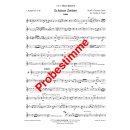
"Schöne Zeiten" ist eine schmissige Polka, die von Christian Frank komponiert und von Stefan A. Frank arrangiert wurde. Abwechslungsreiche Phrasen, die sowohl von den Flügelhörnern als auch von den Tenorhörner gespielt werden, machen das Werk zu einem absoluten Energiebündel. Auch bei dieser Polka kommen die Klarinetten nicht zu kurz: Staccato- und Legato-Phrasen runden diese gelungene Komposition im Grad 3 ab.
Enthaltene Stimmen - Böhmische Besetzung
Direktion in C
Klarinette in Es
1. Klarinette in B
2. Klarinette in B
3. Klarinette in B
1. Trompete in B
2. Trompete in B
1. Flügelhorn in B (2x)
2. Flügelhorn in B (2x)
1. Tenorhorn / 1. Tenorsaxophon in B (2x)
(1. Tenorhorn in C, 2x)
Bariton in B/C (2x)
1. Posaune in C/B
2. Posaune in C/B
3. Posaune in C/B
1. Tuba in C / Fagott (2x)
Tuba in Es / Baritonsaxophon (2x)
2. Tuba in C (2x)
Tuba in B (2x)
Schlagzeug