3
Schwierigkeitsgrad 3
>> Hier gehts zur Ausgabe für großes Blasorchester <<
✅ Als gedruckte oder Download-Ausgabe erhältlich.
✅ Optimal für die Saison 2026
Enthaltene Stimmen - Böhmische Besetzung
Direktion in C
Klarinette in Es
1. Klarinette in B
2. Klarinette in B
3. Klarinette in B
1. Trompete in B
2. Trompete in B
1. Flügelhorn in B (2x)
2. Flügelhorn in B (2x)
1. Tenorhorn in B (2x)
1. Tenorhorn in C (2x)
Bariton in B/C (2x)
1. Posaune in C/B
2. Posaune in C/B
3. Posaune in C/B
1. Tuba in C / Fagott
Tuba in Es
2. Tuba in C
Tuba in B
Schlagzeug
>> Hier gehts zur Ausgabe für böhmische Besetzung <<
✅ Als gedruckte oder Download-Ausgabe erhältlich.
✅ Optimal für die Saison 2026
Enthaltene Stimmen - Großes Blasorchester
Direktion in C
Flöte 1 in C (2x)
Oboe in C (2. Flöte) (2x)
Klarinette in Es
1. Klarinette in B (2x)
2. Klarinette in B (2x)
3. Klarinette in B (2x)
1. Altsaxophon in Es (2x)
2. Altsaxophon in Es (2x)
1. Trompete in B (2x)
2. Trompete in B (2x)
1. Flügelhorn in B (2x)
2. Flügelhorn in B (2x)
1. Tenorhorn / 1. Tenorsaxophon in B (2x)
1. Tenorhorn in C, (2x)
Bariton in B / 2. Tenorsaxophon in B (2x)
Bariton in C (2x)
1. Horn in F/Es (Begleitung)
2. Horn in F/Es (Begleitung)
3. Horn in F/Es (Begleitung)
1. Horn in F/Es (Melodie)
2. Horn in F/Es (Melodie)
1. Posaune in C/B
2. Posaune in C/B
3. Posaune in C/B
1. Tuba in C / Fagott (2x)
Tuba in Es / Baritonsaxophon (2x)
2. Tuba in C (2x)
Tuba in B (Bassklarinette) (2x)
Schlagzeug
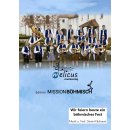
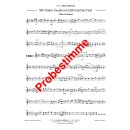
"Wir feiern heute ein böhmisches Fest und Ihr seid alle unsre Gäste..."! So beginnt der Text dieser schmissigen Polka, welcher optional von einem Gesangsduo vorgetragen werden kann. Die Komposition von Daniel Käsbauer im Grad 3 eignet sich perfekt, die anwesenden Gäste zu begrüßen, nicht nur im Festzelt!
Enthaltene Stimmen - Böhmische Besetzung
Direktion in C
Klarinette in Es
1. Klarinette in B
2. Klarinette in B
3. Klarinette in B
1. Trompete in B
2. Trompete in B
1. Flügelhorn in B (2x)
2. Flügelhorn in B (2x)
1. Tenorhorn / 1. Tenorsaxophon in B (2x)
(1. Tenorhorn in C, 2x)
Bariton in B/C (2x)
1. Posaune in C/B
2. Posaune in C/B
3. Posaune in C/B
1. Tuba in C / Fagott (2x)
Tuba in Es / Baritonsaxophon (2x)
2. Tuba in C (2x)
Tuba in B (2x)
Schlagzeug
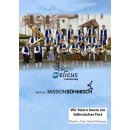
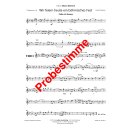
"Wir feiern heute ein böhmisches Fest und Ihr seid alle unsre Gäste..."! So beginnt der Text dieser schmissigen Polka, welcher optional von einem Gesangsduo vorgetragen werden kann. Die Komposition von Daniel Käsbauer im Grad 3 eignet sich perfekt, die anwesenden Gäste zu begrüßen, nicht nur im Festzelt!
Enthaltene Stimmen - Großes Blasorchester
Direktion in C
Flöte 1 in C (2x)
Flöte 2 in C (2x)
Oboe in C
Klarinette in Es
1. Klarinette in B (2x)
2. Klarinette in B (2x)
3. Klarinette in B (2x)
Bassklarinette in B
1. Altsaxophon in Es (2x)
2. Altsaxophon in Es (2x)
1. Trompete in B (2x)
2. Trompete in B (2x)
1. Flügelhorn in B (2x)
2. Flügelhorn in B (2x)
1. Tenorhorn / 1. Tenorsaxophon in B (2x)
(1. Tenorhorn in C, 2x)
Bariton in B / 2. Tenorsaxophon in B (2x)
Bariton in C (2x)
1. Horn in F/Es (Begleitung)
2. Horn in F/Es (Begleitung)
3. Horn in F/Es (Begleitung)
1. Horn in F/Es (Melodie)
2. Horn in F/Es (Melodie)
1. Posaune in C/B
2. Posaune in C/B
3. Posaune in C/B
1. Tuba in C / Fagott (2x)
Tuba in Es / Baritonsaxophon (2x)
2. Tuba in C (2x)
Tuba in B (2x)
Schlagzeug
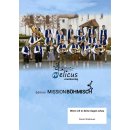
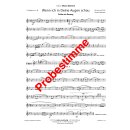
Wenn ich in deine Augen schau, eine Polka mit Gesang von Daniel Käsbauer. Die Polka im Grad 3 beginnt mit einem schmissigen Teil, gefolgt von einem kurzen Basssolo, bevor im Trio ein Gesangs-Duo sein Können unter Beweis stellen kann.
Enthaltene Stimmen - Böhmische Besetzung
Direktion in C
Klarinette in Es
1. Klarinette in B
2. Klarinette in B
3. Klarinette in B
1. Trompete in B
2. Trompete in B
1. Flügelhorn in B (2x)
2. Flügelhorn in B (2x)
1. Tenorhorn / 1. Tenorsaxophon in B (2x)
(1. Tenorhorn in C, 2x)
Bariton in B/C (2x)
1. Posaune in C/B
2. Posaune in C/B
3. Posaune in C/B
1. Tuba in C / Fagott (2x)
Tuba in Es / Baritonsaxophon (2x)
2. Tuba in C (2x)
Tuba in B (2x)
Schlagzeug
Gesang
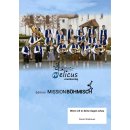
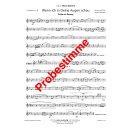
Wenn ich in deine Augen schau, eine Polka mit Gesang von Daniel Käsbauer. Die Polka im Grad 3 beginnt mit einem schmissigen Teil, gefolgt von einem kurzen Basssolo, bevor im Trio ein Gesangs-Duo sein Können unter Beweis stellen kann.
Enthaltene Stimmen - Großes Blasorchester
Direktion in C
Flöte 1 in C (2x)
Flöte 2 in C (2x)
Oboe in C
Klarinette in Es
1. Klarinette in B (2x)
2. Klarinette in B (2x)
3. Klarinette in B (2x)
Bassklarinette in B
1. Altsaxophon in Es (2x)
2. Altsaxophon in Es (2x)
1. Trompete in B (2x)
2. Trompete in B (2x)
1. Flügelhorn in B (2x)
2. Flügelhorn in B (2x)
1. Tenorhorn / 1. Tenorsaxophon in B (2x)
(1. Tenorhorn in C, 2x)
Bariton in B / 2. Tenorsaxophon in B (2x)
Bariton in C (2x)
1. Horn in F/Es (Begleitung)
2. Horn in F/Es (Begleitung)
3. Horn in F/Es (Begleitung)
1. Horn in F/Es (Melodie)
2. Horn in F/Es (Melodie)
1. Posaune in C/B
2. Posaune in C/B
3. Posaune in C/B
1. Tuba in C / Fagott (2x)
Tuba in Es / Baritonsaxophon (2x)
2. Tuba in C (2x)
Tuba in B (2x)
Schlagzeug
Gesang
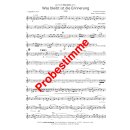
Die Polka „Was bleibt ist die Erinnerung“ ist ein musikalischer Nachruf von Daniel Fischinger für seine verstorbene Freundin Britta Dotter. Das Werk vereint emotionale und fröhliche Passagen, die von Brittas Leben erzählen und daran erinnern, dass trotz des Schmerzes die schöne Erinnerung an die gemeinsame Zeit bleibt.
>> Hier gehts zur Ausgabe für Blasorchester <<
✅ Als gedruckte oder Download-Ausgabe erhältlich.
✅ Optimal für die Saison 2026
Enthaltene Stimmen - Böhmische Besetzung
Direktion in C
Klarinette in Es
1. Klarinette in B
2. Klarinette in B
3. Klarinette in B
1. Trompete in B
2. Trompete in B
1. Flügelhorn in B (2x)
2. Flügelhorn in B (2x)
1. Tenorhorn in B (2x)
1. Tenorhorn in C (2x)
Bariton in B/C (2x)
1. Posaune in C/B
2. Posaune in C/B
3. Posaune in C/B
1. Tuba in C / Fagott
Tuba in Es
2. Tuba in C
Tuba in B
Schlagzeug
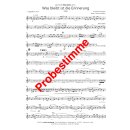
Die Polka „Was bleibt ist die Erinnerung“ ist ein musikalischer Nachruf von Daniel Fischinger für seine verstorbene Freundin Britta Dotter. Das Werk vereint emotionale und fröhliche Passagen, die von Brittas Leben erzählen und daran erinnern, dass trotz des Schmerzes die schöne Erinnerung an die gemeinsame Zeit bleibt.
>> Hier gehts zur Ausgabe für "Böhmische Besetzung" <<
✅ Als gedruckte oder Download-Ausgabe erhältlich.
✅ Optimal für die Saison 2026
Enthaltene Stimmen - Großes Blasorchester
Direktion in C
Flöte 1 in C (2x)
Oboe in C (2. Flöte) (2x)
Klarinette in Es
1. Klarinette in B (2x)
2. Klarinette in B (2x)
3. Klarinette in B (2x)
1. Altsaxophon in Es (2x)
2. Altsaxophon in Es (2x)
1. Trompete in B (2x)
2. Trompete in B (2x)
1. Flügelhorn in B (2x)
2. Flügelhorn in B (2x)
1. Tenorhorn / 1. Tenorsaxophon in B (2x)
1. Tenorhorn in C, 2x
Bariton in B / 2. Tenorsaxophon in B (2x)
Bariton in C (2x)
1. Horn in F/Es (Begleitung)
2. Horn in F/Es (Begleitung)
3. Horn in F/Es (Begleitung)
1. Horn in F/Es (Melodie)
2. Horn in F/Es (Melodie)
1. Posaune in C/B
2. Posaune in C/B
3. Posaune in C/B
1. Tuba in C / Fagott (2x)
Tuba in Es / Baritonsaxophon (2x)
2. Tuba in C (2x)
Tuba in B (Bassklarinette) (2x)
Schlagzeug
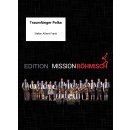
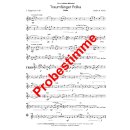
Die Traumfänger Polka - eine instrumentale Polka im Grad 3 von Stefan Albert Frank. Dieses Werk hat einen starken konzertanten Charakter. Im zweiten Teil pausiert das Schlagzeug zunächst. Das Holz spielt die Melodie als Soli, was sehr getragen und ruhig wirkt. Im Trio wechseln sich Tenorhorn und Flügelhorn ab. Nach der Trio-Reprise entschleunigt sich die Polka mit einem besonders effektvollen Teil. Die Hölzer bilden hierbei die Basis, Flügelhorn und Tenorhorn leiten hin zu einem friedlichen Ende dieser Komposition.
Enthaltene Stimmen - Böhmische Besetzung
Direktion in C
Klarinette in Es
1. Klarinette in B
2. Klarinette in B
3. Klarinette in B
1. Trompete in B
2. Trompete in B
1. Flügelhorn in B (2x)
2. Flügelhorn in B (2x)
1. Tenorhorn in B (2x)
1. Tenorhorn in C (2x)
Bariton in B/C (2x)
1. Posaune in C/B
2. Posaune in C/B
3. Posaune in C/B
1. Tuba in C / Fagott
Tuba in Es
2. Tuba in C
Tuba in B
Schlagzeug
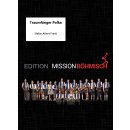
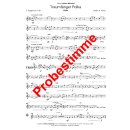
Die Traumfänger Polka - eine instrumentale Polka im Grad 3 von Stefan Albert Frank. Dieses Werk hat einen starken konzertanten Charakter. Im zweiten Teil pausiert das Schlagzeug zunächst. Das Holz spielt die Melodie als Soli, was sehr getragen und ruhig wirkt. Im Trio wechseln sich Tenorhorn und Flügelhorn ab. Nach der Trio-Reprise entschleunigt sich die Polka mit einem besonders effektvollen Teil. Die Hölzer bilden hierbei die Basis, Flügelhorn und Tenorhorn leiten hin zu einem friedlichen Ende dieser Komposition.
Enthaltene Stimmen - Großes Blasorchester
Direktion in C
Flöte 1 in C (2x)
Oboe in C (2. Flöte) (2x)
Klarinette in Es
1. Klarinette in B (2x)
2. Klarinette in B (2x)
3. Klarinette in B (2x)
1. Altsaxophon in Es (2x)
2. Altsaxophon in Es (2x)
1. Trompete in B (2x)
2. Trompete in B (2x)
1. Flügelhorn in B (2x)
2. Flügelhorn in B (2x)
1. Tenorhorn / 1. Tenorsaxophon in B (2x)
1. Tenorhorn in C, 2x
Bariton in B / 2. Tenorsaxophon in B (2x)
Bariton in C (2x)
1. Horn in F/Es (Begleitung)
2. Horn in F/Es (Begleitung)
3. Horn in F/Es (Begleitung)
1. Horn in F/Es (Melodie)
2. Horn in F/Es (Melodie)
1. Posaune in C/B
2. Posaune in C/B
3. Posaune in C/B
1. Tuba in C / Fagott (2x)
Tuba in Es / Baritonsaxophon (2x)
2. Tuba in C (2x)
Tuba in B (Bassklarinette) (2x)
Schlagzeug

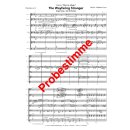
The Wayfaring Stranger, ein amerikanischer Gospel-Song wurde vor allem durch den legendären Johnny Cash bekannt. Matthias Joos hat diesen Volksong für kleine Besetzung (Schwierigkeitsgrad 3) bearbeitet. Nach einer getragenen Einleitung übernimmt das Solo-Bariton, bevor im Reggae-Rhythmus die Solistin oder der Solist improvisionierend auftritt. Dieses Impro-Solo ist ausnotiert, kann aber gerne durch eine eigene Darbietung bereichert werden.
Enthaltene Stimmen - Blech & (Balg)
Akkordeon in C (Direktion)
1. Trompete in B
2. Trompete in B
1. Flügelhorn in B
2. Flügelhorn in B
Tenorhorn in B/C
Bariton in B/C
Tuba in C/B/Eb
Schlagzeug
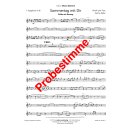
Sommertag mit Dir, eine Polka mit Gesang von Sascha Dalke. Der erste Teil dieser Polka ist zackig und melodiös gehalten. Das Trio folgt ohne Reprise und ist durch die nicht zu hoch gehaltene Melodie für die Sänger leicht singbar.
Enthaltene Stimmen - Böhmische Besetzung
Direktion in C
Klarinette in Es
1. Klarinette in B
2. Klarinette in B
3. Klarinette in B
1. Trompete in B
2. Trompete in B
1. Flügelhorn in B (2x)
2. Flügelhorn in B (2x)
1. Tenorhorn / 1. Tenorsaxophon in B (2x)
(1. Tenorhorn in C, 2x)
Bariton in B/C (2x)
1. Posaune in C/B
2. Posaune in C/B
3. Posaune in C/B
1. Tuba in C / Fagott (2x)
Tuba in Es / Baritonsaxophon (2x)
2. Tuba in C (2x)
Tuba in B (2x)
Schlagzeug
Gesang
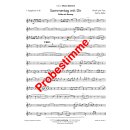
Sommertag mit Dir, eine Polka mit Gesang von Sascha Dalke. Der erste Teil dieser Polka ist zackig und melodiös gehalten. Das Trio folgt ohne Reprise und ist durch die nicht zu hoch gehaltene Melodie für die Sänger leicht singbar.
Enthaltene Stimmen - Großes Blasorchester
Direktion in C
Flöte 1 in C (2x)
Flöte 2 in C (2x)
Oboe in C
Klarinette in Es
1. Klarinette in B (2x)
2. Klarinette in B (2x)
3. Klarinette in B (2x)
Bassklarinette in B
1. Altsaxophon in Es (2x)
2. Altsaxophon in Es (2x)
1. Trompete in B (2x)
2. Trompete in B (2x)
1. Flügelhorn in B (2x)
2. Flügelhorn in B (2x)
1. Tenorhorn / 1. Tenorsaxophon in B (2x)
(1. Tenorhorn in C, 2x)
Bariton in B / 2. Tenorsaxophon in B (2x)
Bariton in C (2x)
1. Horn in F/Es (Begleitung)
2. Horn in F/Es (Begleitung)
3. Horn in F/Es (Begleitung)
1. Horn in F/Es (Melodie)
2. Horn in F/Es (Melodie)
1. Posaune in C/B
2. Posaune in C/B
3. Posaune in C/B
1. Tuba in C / Fagott (2x)
Tuba in Es / Baritonsaxophon (2x)
2. Tuba in C (2x)
Tuba in B (2x)
Schlagzeug
Gesang
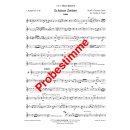
"Schöne Zeiten" ist eine schmissige Polka, die von Christian Frank komponiert und von Stefan A. Frank arrangiert wurde. Abwechslungsreiche Phrasen, die sowohl von den Flügelhörnern als auch von den Tenorhörner gespielt werden, machen das Werk zu einem absoluten Energiebündel. Auch bei dieser Polka kommen die Klarinetten nicht zu kurz: Staccato- und Legato-Phrasen runden diese gelungene Komposition im Grad 3 ab.
Enthaltene Stimmen - Böhmische Besetzung
Direktion in C
Klarinette in Es
1. Klarinette in B
2. Klarinette in B
3. Klarinette in B
1. Trompete in B
2. Trompete in B
1. Flügelhorn in B (2x)
2. Flügelhorn in B (2x)
1. Tenorhorn / 1. Tenorsaxophon in B (2x)
(1. Tenorhorn in C, 2x)
Bariton in B/C (2x)
1. Posaune in C/B
2. Posaune in C/B
3. Posaune in C/B
1. Tuba in C / Fagott (2x)
Tuba in Es / Baritonsaxophon (2x)
2. Tuba in C (2x)
Tuba in B (2x)
Schlagzeug
"Schöne Zeiten" ist eine schmissige Polka, die von Christian Frank komponiert und von Stefan A. Frank arrangiert wurde. Abwechslungsreiche Phrasen, die sowohl von den Flügelhörnern als auch von den Tenorhörner gespielt werden, machen das Werk zu einem absoluten Energiebündel. Auch bei dieser Polka kommen die Klarinetten nicht zu kurz: Staccato- und Legato-Phrasen runden diese gelungene Komposition im Grad 3 ab.
Enthaltene Stimmen - Großes Blasorchester
Direktion in C
Flöte 1 in C (2x)
Flöte 2 in C (2x)
Oboe in C
Klarinette in Es
1. Klarinette in B (2x)
2. Klarinette in B (2x)
3. Klarinette in B (2x)
Bassklarinette in B
1. Altsaxophon in Es (2x)
2. Altsaxophon in Es (2x)
1. Trompete in B (2x)
2. Trompete in B (2x)
1. Flügelhorn in B (2x)
2. Flügelhorn in B (2x)
1. Tenorhorn / 1. Tenorsaxophon in B (2x)
(1. Tenorhorn in C, 2x)
Bariton in B / 2. Tenorsaxophon in B (2x)
Bariton in C (2x)
1. Horn in F/Es (Begleitung)
2. Horn in F/Es (Begleitung)
3. Horn in F/Es (Begleitung)
1. Horn in F/Es (Melodie)
2. Horn in F/Es (Melodie)
1. Posaune in C/B
2. Posaune in C/B
3. Posaune in C/B
1. Tuba in C / Fagott (2x)
Tuba in Es / Baritonsaxophon (2x)
2. Tuba in C (2x)
Tuba in B (2x)
Schlagzeug

Musikantenheimat - Marsch von Philipp Roth, Bearbeitung Stefan A. Frank
Enthaltene Stimmen - Blech & (Balg)
Akkordeon in C (Direktion)
Trompete in B
1. Flügelhorn in B
2. Flügelhorn in B
Tenorhorn in B/C
Bariton in B/C
Tuba in C/B/Eb
Schlagzeug
Stefan Kühndorf, ein junger Komponist und Tubist hat die Mausi Polka komponiert. Das Werk im Grad 3 wird etwas flotter gespielt und erhält dadurch einen besonderen "Groove". Kühndorfs Markenzeichen sind - neben sehr eingängigen Melodien - die äußerst interessanten und sehr intelligent gesetzten Modulationen und Umspielungen. Gerade diese machen auch die Mausi Polka zu einem besonderen Unikat!
Enthaltene Stimmen - Böhmische Besetzung
Direktion in C
Klarinette in Es
1. Klarinette in B
2. Klarinette in B
3. Klarinette in B
1. Trompete in B
2. Trompete in B
1. Flügelhorn in B (2x)
2. Flügelhorn in B (2x)
1. Tenorhorn in B (2x)
1. Tenorhorn in C (2x)
Bariton in B/C (2x)
1. Posaune in C/B
2. Posaune in C/B
3. Posaune in C/B
1. Tuba in C / Fagott
Tuba in Es
2. Tuba in C
Tuba in B
Schlagzeug
Mährische Löffl, eine Polka im mährischen Stil von Daniel Käsbauer. Die Komposition im Grad 3 sollte nicht zu langsam gespielt werden. Tenor- und Flügelhörner wechseln sich bei den Melodie-Themen jeweils ab und optional kann im Trio "gelöffelt" werden.
Enthaltene Stimmen - Böhmische Besetzung
Direktion in C
Klarinette in Es
1. Klarinette in B
2. Klarinette in B
3. Klarinette in B
1. Trompete in B
2. Trompete in B
1. Flügelhorn in B (2x)
2. Flügelhorn in B (2x)
1. Tenorhorn / 1. Tenorsaxophon in B (2x)
(1. Tenorhorn in C, 2x)
Bariton in B/C (2x)
1. Posaune in C/B
2. Posaune in C/B
3. Posaune in C/B
1. Tuba in C / Fagott (2x)
Tuba in Es / Baritonsaxophon (2x)
2. Tuba in C (2x)
Tuba in B (2x)
Schlagzeug
Mährische Löffl, eine Polka im mährischen Stil von Daniel Käsbauer. Die Komposition im Grad 3 sollte nicht zu langsam gespielt werden. Tenor- und Flügelhörner wechseln sich bei den Melodie-Themen jeweils ab und optional kann im Trio "gelöffelt" werden.
Enthaltene Stimmen - Großes Blasorchester
Direktion in C
Flöte 1 in C (2x)
Flöte 2 in C (2x)
Oboe in C
Klarinette in Es
1. Klarinette in B (2x)
2. Klarinette in B (2x)
3. Klarinette in B (2x)
Bassklarinette in B
1. Altsaxophon in Es (2x)
2. Altsaxophon in Es (2x)
1. Trompete in B (2x)
2. Trompete in B (2x)
1. Flügelhorn in B (2x)
2. Flügelhorn in B (2x)
1. Tenorhorn / 1. Tenorsaxophon in B (2x)
(1. Tenorhorn in C, 2x)
Bariton in B / 2. Tenorsaxophon in B (2x)
Bariton in C (2x)
1. Horn in F/Es (Begleitung)
2. Horn in F/Es (Begleitung)
3. Horn in F/Es (Begleitung)
1. Horn in F/Es (Melodie)
2. Horn in F/Es (Melodie)
1. Posaune in C/B
2. Posaune in C/B
3. Posaune in C/B
1. Tuba in C / Fagott (2x)
Tuba in Es / Baritonsaxophon (2x)
2. Tuba in C (2x)
Tuba in B (2x)
Schlagzeug
Das vierblättrige Kleeblatt ist ein bekanntes Symbol für Glück. In der freien Natur ist es äußerst selten zu finden, man muss also schon sehr viel Glück haben. Der junge Komponist Stefan Kühndorf komponierte diese Polka und gab ihr den Namen dieser grünen Seltenheit. Die schwungvolle Komposition im Grad 3 beginnt mit einem zackigen ersten Teil und mündet in einen lyrischen zweiten Abschnitt, bevor ein „Da Capo“ den ersten Teil wiederholt. Das Trio-Thema besticht durch außergewöhnliche Harmonien, welches abwechselnd von Flügelhörnern und Tenorhörnern vorgetragen wird. Nach einem prägnanten Basssolo wird das Trio schließlich im Tutti wiederholt. Hier kommen die harmonischen Raffinessen besonders zur Geltung. Wir sind uns einig: Stefan Kühndorf hatte bei dieser Komposition definitiv ein „glückliches Händchen“.
Enthaltene Stimmen - Böhmische Besetzung
Direktion in C
Klarinette in Es
1. Klarinette in B
2. Klarinette in B
3. Klarinette in B
1. Trompete in B
2. Trompete in B
1. Flügelhorn in B (2x)
2. Flügelhorn in B (2x)
1. Tenorhorn in B (2x)
1. Tenorhorn in C (2x)
Bariton in B/C (2x)
1. Posaune in C/B
2. Posaune in C/B
3. Posaune in C/B
1. Tuba in C / Fagott
Tuba in Es
2. Tuba in C
Tuba in B
Schlagzeug