melicus.musikverlag
Im Brotzeitkeller - eine Polka von Daniel Hilbert und Daniel Fischinger. Gewidmet ist dieses Werk Tobias Hetterich von "Bauer Roberts Brotzeitkeller"
Enthaltene Stimmen - Großes Blasorchester
Direktion in C
Flöte 1 in C (2x)
Oboe in C (2. Flöte) (2x)
Klarinette in Es
1. Klarinette in B (2x)
2. Klarinette in B (2x)
3. Klarinette in B (2x)
Bassklarinette in B
1. Altsaxophon in Es (2x)
2. Altsaxophon in Es (2x)
1. Trompete in B (2x)
2. Trompete in B (2x)
1. Flügelhorn in B (2x)
2. Flügelhorn in B (2x)
1. Tenorhorn / 1. Tenorsaxophon in B (2x)
1. Tenorhorn in C, (2x)
Bariton in B / 2. Tenorsaxophon in B (2x)
Bariton in C (2x)
1. Horn in F/Es (Begleitung)
2. Horn in F/Es (Begleitung)
3. Horn in F/Es (Begleitung)
1. Horn in F/Es (Melodie)
2. Horn in F/Es (Melodie)
1. Posaune in C/B
2. Posaune in C/B
3. Posaune in C/B
1. Tuba in C / Fagott (2x)
Tuba in Es / Baritonsaxophon (2x)
2. Tuba in C (2x)
Tuba in B (2x)
Schlagzeug
Sebastian Heinzmann komponierte diese Polka für seinen Freund Helmut Hummel. Dieser war viele Jahre Chef von "Helmut Hummel und seine Neue Donauschwäbische Blasmusik“. Das Werk im Grad 3 wurde von Stefan Albert Frank arrangiert.
Enthaltene Stimmen - Großes Blasorchester
Direktion in C
Flöte 1 in C (2x)
Oboe in C (2. Flöte) (2x)
Klarinette in Es
1. Klarinette in B (2x)
2. Klarinette in B (2x)
3. Klarinette in B (2x)
1. Altsaxophon in Es (2x)
2. Altsaxophon in Es (2x)
1. Trompete in B (2x)
2. Trompete in B (2x)
1. Flügelhorn in B (2x)
2. Flügelhorn in B (2x)
1. Tenorhorn / 1. Tenorsaxophon in B (2x)
1. Tenorhorn in C, (2x)
Bariton in B / 2. Tenorsaxophon in B (2x)
Bariton in C (2x)
1. Horn in F/Es (Begleitung)
2. Horn in F/Es (Begleitung)
3. Horn in F/Es (Begleitung)
1. Horn in F/Es (Melodie)
2. Horn in F/Es (Melodie)
1. Posaune in C/B
2. Posaune in C/B
3. Posaune in C/B
1. Tuba in C / Fagott (2x)
Tuba in Es / Baritonsaxophon (2x)
2. Tuba in C (2x)
Tuba in B (Bassklarinette) (2x)
Schlagzeug
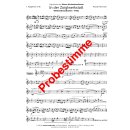
Pascal Führnrohr komponierte diese Polka im Schwierigkeitsgrad 3. Besonders markant ist der erste Teil, der durch die besondere Rhythmik an einen "Boarischen" erinnert. Das kurze und knackige Basssolo leitet zur Reprise des ersten Teils über. Im Trio sind lange, harmonische Phrasen, die nach einem Akkordeon-Solo nochmal im Tutti erklingen. Gewidmet ist diese Komposition den Eslarner Werkstattmusikanten. Wir finden, diese Komposition ist streckenweise keine typische böhmische Polka, was sie für Abwechslung-Suchende zu einer Bereicherung in der Notenmappe macht!
Enthaltene Stimmen - Großes Blasorchester
Direktion in C
Flöte 1 in C (2x)
Oboe in C (2. Flöte) (2x)
Klarinette in Es
1. Klarinette in B (2x)
2. Klarinette in B (2x)
3. Klarinette in B (2x)
1. Altsaxophon in Es (2x)
2. Altsaxophon in Es (2x)
1. Trompete in B (2x)
2. Trompete in B (2x)
1. Flügelhorn in B (2x)
2. Flügelhorn in B (2x)
1. Tenorhorn / 1. Tenorsaxophon in B (2x)
1. Tenorhorn in C, (2x)
Bariton in B / 2. Tenorsaxophon in B (2x)
Bariton in C (2x)
1. Horn in F/Es (Begleitung)
2. Horn in F/Es (Begleitung)
3. Horn in F/Es (Begleitung)
1. Horn in F/Es (Melodie)
2. Horn in F/Es (Melodie)
1. Posaune in C/B
2. Posaune in C/B
3. Posaune in C/B
1. Tuba in C / Fagott (2x)
Tuba in Es / Baritonsaxophon (2x)
2. Tuba in C (2x)
Tuba in B (Bassklarinette) (2x)
Schlagzeug
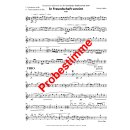
In Freundschaft vereint - eine schmissige Polka im Grad 3 von Sascha Dalke. Sascha ist mittlerweile ein gefragter Komponist unseres Verlags, da seine Kompositionen stets von Abwechslung geprägt aber nie zu abgehoben sind. Auch mit "In Freundschaft vereint" bündelt er geschickt und gekonnt die Töne und Harmonien, sodass ein absolutes Schmankerl entstanden ist. So ist es nicht verwunderlich, dass sowohl beim Da Capo als auch beim Trio Dal Segno das Feuer auf das Publikum überspringt. Sie glauben mir nicht? Hören Sie sich die Demo-Aufnahme an!
Enthaltene Stimmen - Großes Blasorchester
Direktion in C
Flöte 1 in C (2x)
Oboe in C (2. Flöte) (2x)
Klarinette in Es
1. Klarinette in B (2x)
2. Klarinette in B (2x)
3. Klarinette in B (2x)
Bassklarinette in B
1. Altsaxophon in Es (2x)
2. Altsaxophon in Es (2x)
1. Trompete in B (2x)
2. Trompete in B (2x)
1. Flügelhorn in B (2x)
2. Flügelhorn in B (2x)
1. Tenorhorn / 1. Tenorsaxophon in B (2x)
1. Tenorhorn in C, (2x)
Bariton in B / 2. Tenorsaxophon in B (2x)
Bariton in C (2x)
1. Horn in F/Es (Begleitung)
2. Horn in F/Es (Begleitung)
3. Horn in F/Es (Begleitung)
1. Horn in F/Es (Melodie)
2. Horn in F/Es (Melodie)
1. Posaune in C/B
2. Posaune in C/B
3. Posaune in C/B
1. Tuba in C / Fagott (2x)
Tuba in Es / Baritonsaxophon (2x)
2. Tuba in C (2x)
Tuba in B (2x)
Schlagzeug
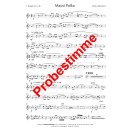
Stefan Kühndorf, ein junger Komponist und Tubist hat die Mausi Polka komponiert. Das Werk im Grad 3 wird etwas flotter gespielt und erhält dadurch einen besonderen "Groove". Kühndorfs Markenzeichen sind - neben sehr eingängigen Melodien - die äußerst interessanten und sehr intelligent gesetzten Modulationen und Umspielungen. Gerade diese machen auch die Mausi Polka zu einem besonderen Unikat!
Enthaltene Stimmen - Großes Blasorchester
Direktion in C
Flöte 1 in C (2x)
Oboe in C (2. Flöte) (2x)
Klarinette in Es
1. Klarinette in B (2x)
2. Klarinette in B (2x)
3. Klarinette in B (2x)
1. Altsaxophon in Es (2x)
2. Altsaxophon in Es (2x)
1. Trompete in B (2x)
2. Trompete in B (2x)
1. Flügelhorn in B (2x)
2. Flügelhorn in B (2x)
1. Tenorhorn / 1. Tenorsaxophon in B (2x)
1. Tenorhorn in C, (2x)
Bariton in B / 2. Tenorsaxophon in B (2x)
Bariton in C (2x)
1. Horn in F/Es (Begleitung)
2. Horn in F/Es (Begleitung)
3. Horn in F/Es (Begleitung)
1. Horn in F/Es (Melodie)
2. Horn in F/Es (Melodie)
1. Posaune in C/B
2. Posaune in C/B
3. Posaune in C/B
1. Tuba in C / Fagott (2x)
Tuba in Es / Baritonsaxophon (2x)
2. Tuba in C (2x)
Tuba in B (Bassklarinette) (2x)
Schlagzeug
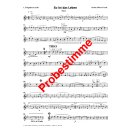
So ist das Leben - ein neuer Walzer von Stefan Albert Frank. Dieser Walzer im Grad 2,5 beginnt mit einem in Moll gehaltenen ersten Teil, gefolgt von einem fröhlichen Trio. Im zweiten Trio Teil solieren die Hölzer, bevor es ein im tutti gehaltenes Trio dal Segno gibt.
Enthaltene Stimmen - Großes Blasorchester
Direktion in C
Flöte 1 in C (2x)
Oboe in C (2. Flöte) (2x)
Klarinette in Es
1. Klarinette in B (2x)
2. Klarinette in B (2x)
3. Klarinette in B (2x)
1. Altsaxophon in Es (2x)
2. Altsaxophon in Es (2x)
1. Trompete in B (2x)
2. Trompete in B (2x)
1. Flügelhorn in B (2x)
2. Flügelhorn in B (2x)
1. Tenorhorn / 1. Tenorsaxophon in B (2x)
1. Tenorhorn in C, 2x
Bariton in B / 2. Tenorsaxophon in B (2x)
Bariton in C (2x)
1. Horn in F/Es (Begleitung)
2. Horn in F/Es (Begleitung)
3. Horn in F/Es (Begleitung)
1. Horn in F/Es (Melodie)
2. Horn in F/Es (Melodie)
1. Posaune in C/B
2. Posaune in C/B
3. Posaune in C/B
1. Tuba in C / Fagott (2x)
Tuba in Es / Baritonsaxophon (2x)
2. Tuba in C (2x)
Tuba in B (Bassklarinette) (2x)
Schlagzeug
Stolze Musikanten, eine wunderschöne Polka von Jan Stützer. Musikanten sind ja eigentlich wahre Hochleistungssportler! Egal welches Instrument sie spielen, sie müssen die Luft koordiniert ins Instrument pusten, die Finger bewegen, den Stick im Takt schlagen usw. Sie können also zurecht stolz auf sich sein!
Diese tolle Polka vom jungen Komponisten Jan Stützer beginnt mit Melodiephrasen, die sowohl akzentuierten, aber auch Abschnitte im legato enthält. Der zweite Teil wechselt die Tonart, was das D.C. des ersten Teils fast in einem neuen Gewand erscheinen lässt. Im Trio wechseln sich Tenorhorn und Flügelhorn ab und spielen weiche und harmonisch herzliche Kantilenen. Der zweite Trio-Teil gehört den Klarinetten, die hier ihr Können unter Beweis stellen dürfen. Die Trio-Reprise erfolgt im Tutti, wodurch die legato Melodie besonders zum Tragen kommt. Wir sind uns einig: Jan Stützer kann sehr stolz auf diese Komposition sein.
Enthaltene Stimmen - Großes Blasorchester
Direktion in C
Flöte 1 in C (2x)
Oboe in C (2. Flöte) (2x)
Klarinette in Es
1. Klarinette in B (2x)
2. Klarinette in B (2x)
3. Klarinette in B (2x)
1. Altsaxophon in Es (2x)
2. Altsaxophon in Es (2x)
1. Trompete in B (2x)
2. Trompete in B (2x)
1. Flügelhorn in B (2x)
2. Flügelhorn in B (2x)
1. Tenorhorn / 1. Tenorsaxophon in B (2x)
1. Tenorhorn in C, (2x)
Bariton in B / 2. Tenorsaxophon in B (2x)
Bariton in C (2x)
1. Horn in F/Es (Begleitung)
2. Horn in F/Es (Begleitung)
3. Horn in F/Es (Begleitung)
1. Horn in F/Es (Melodie)
2. Horn in F/Es (Melodie)
1. Posaune in C/B
2. Posaune in C/B
3. Posaune in C/B
1. Tuba in C / Fagott (2x)
Tuba in Es / Baritonsaxophon (2x)
2. Tuba in C (2x)
Tuba in B (Bassklarinette) (2x)
Schlagzeug
Die Traumfänger Polka - eine instrumentale Polka im Grad 3 von Stefan Albert Frank. Dieses Werk hat einen starken konzertanten Charakter. Im zweiten Teil pausiert das Schlagzeug zunächst. Das Holz spielt die Melodie als Soli, was sehr getragen und ruhig wirkt. Im Trio wechseln sich Tenorhorn und Flügelhorn ab. Nach der Trio-Reprise entschleunigt sich die Polka mit einem besonders effektvollen Teil. Die Hölzer bilden hierbei die Basis, Flügelhorn und Tenorhorn leiten hin zu einem friedlichen Ende dieser Komposition.
Enthaltene Stimmen - Großes Blasorchester
Direktion in C
Flöte 1 in C (2x)
Oboe in C (2. Flöte) (2x)
Klarinette in Es
1. Klarinette in B (2x)
2. Klarinette in B (2x)
3. Klarinette in B (2x)
1. Altsaxophon in Es (2x)
2. Altsaxophon in Es (2x)
1. Trompete in B (2x)
2. Trompete in B (2x)
1. Flügelhorn in B (2x)
2. Flügelhorn in B (2x)
1. Tenorhorn / 1. Tenorsaxophon in B (2x)
1. Tenorhorn in C, 2x
Bariton in B / 2. Tenorsaxophon in B (2x)
Bariton in C (2x)
1. Horn in F/Es (Begleitung)
2. Horn in F/Es (Begleitung)
3. Horn in F/Es (Begleitung)
1. Horn in F/Es (Melodie)
2. Horn in F/Es (Melodie)
1. Posaune in C/B
2. Posaune in C/B
3. Posaune in C/B
1. Tuba in C / Fagott (2x)
Tuba in Es / Baritonsaxophon (2x)
2. Tuba in C (2x)
Tuba in B (Bassklarinette) (2x)
Schlagzeug
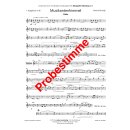
Patrick Oroudji widmete diese Polka der Blaskapelle Falkenberg zum 145-jährigen Gründungsfest. Das ruhige Tempo der Komposition verleiht dem Staccato-Motiv gleich zu beginn einen besonderen "groove". Im Mittelteil wechseln sich ein Duo aus Flügelhorn und Tenorhorn sowie den Klarinetten ab. Die langen und weichen Melodie-Phrasen im Trio vollenden die Polka zu einem leicht spielbaren, abwechslungsreichen Werk (Grad 2,5-3).
Enthaltene Stimmen - Großes Blasorchester
Direktion in C
Flöte 1 in C (2x)
Flöte 2 in C (2x)
Oboe in C
Klarinette in Es
1. Klarinette in B (2x)
2. Klarinette in B (2x)
3. Klarinette in B (2x)
Bassklarinette in B
1. Altsaxophon in Es (2x)
2. Altsaxophon in Es (2x)
1. Trompete in B (2x)
2. Trompete in B (2x)
1. Flügelhorn in B (2x)
2. Flügelhorn in B (2x)
1. Tenorhorn / 1. Tenorsaxophon in B (2x)
(1. Tenorhorn in C, 2x)
Bariton in B / 2. Tenorsaxophon in B (2x)
Bariton in C (2x)
1. Horn in F/Es (Begleitung)
2. Horn in F/Es (Begleitung)
3. Horn in F/Es (Begleitung)
1. Horn in F/Es (Melodie)
2. Horn in F/Es (Melodie)
1. Posaune in C/B
2. Posaune in C/B
3. Posaune in C/B
1. Tuba in C / Fagott (2x)
Tuba in Es / Baritonsaxophon (2x)
2. Tuba in C (2x)
Tuba in B (2x)
Schlagzeug
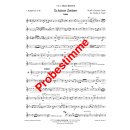
"Schöne Zeiten" ist eine schmissige Polka, die von Christian Frank komponiert und von Stefan A. Frank arrangiert wurde. Abwechslungsreiche Phrasen, die sowohl von den Flügelhörnern als auch von den Tenorhörner gespielt werden, machen das Werk zu einem absoluten Energiebündel. Auch bei dieser Polka kommen die Klarinetten nicht zu kurz: Staccato- und Legato-Phrasen runden diese gelungene Komposition im Grad 3 ab.
Enthaltene Stimmen - Großes Blasorchester
Direktion in C
Flöte 1 in C (2x)
Flöte 2 in C (2x)
Oboe in C
Klarinette in Es
1. Klarinette in B (2x)
2. Klarinette in B (2x)
3. Klarinette in B (2x)
Bassklarinette in B
1. Altsaxophon in Es (2x)
2. Altsaxophon in Es (2x)
1. Trompete in B (2x)
2. Trompete in B (2x)
1. Flügelhorn in B (2x)
2. Flügelhorn in B (2x)
1. Tenorhorn / 1. Tenorsaxophon in B (2x)
(1. Tenorhorn in C, 2x)
Bariton in B / 2. Tenorsaxophon in B (2x)
Bariton in C (2x)
1. Horn in F/Es (Begleitung)
2. Horn in F/Es (Begleitung)
3. Horn in F/Es (Begleitung)
1. Horn in F/Es (Melodie)
2. Horn in F/Es (Melodie)
1. Posaune in C/B
2. Posaune in C/B
3. Posaune in C/B
1. Tuba in C / Fagott (2x)
Tuba in Es / Baritonsaxophon (2x)
2. Tuba in C (2x)
Tuba in B (2x)
Schlagzeug