Noten
Notenmaterial
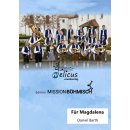
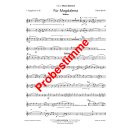
Für Magdalena, ein Walzer im Grad 2,5-3 von Daniel Barth. Eine weiche und flüssige Melodie im ersten Teil wird mit einem phänomenalen Trio, welches durch wunderschöne Modulationen glänzt, komplettiert. Dieser Walzer hat absoluten Konzert-Charakter!
Enthaltene Stimmen - Böhmische Besetzung
Direktion in C
Klarinette in Es
1. Klarinette in B
2. Klarinette in B
3. Klarinette in B
1. Trompete in B
2. Trompete in B
1. Flügelhorn in B (2x)
2. Flügelhorn in B (2x)
1. Tenorhorn / 1. Tenorsaxophon in B (2x)
(1. Tenorhorn in C, 2x)
Bariton in B/C (2x)
1. Posaune in C/B
2. Posaune in C/B
3. Posaune in C/B
1. Tuba in C / Fagott (2x)
Tuba in Es / Baritonsaxophon (2x)
2. Tuba in C (2x)
Tuba in B / Bassklarinette (2x)
Schlagzeug
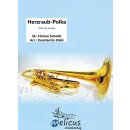
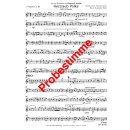
Mit der Herzraub Polka gibt Florian Scherbl, Dirigent der Blaskapelle Weiding sein Debüt im melicus.musikverlag. Gemeinsam mit dem jungen Komponisten und Arrangeur Konstantin Stahl entstand diese Polka mit Gesang. Der Text stammt vom Komponisten selbst. Das Werk im Grad 3 ist eingängig und kommt ohne komplizierte Passagen aus.
Enthaltene Stimmen - Großes Blasorchester
Direktion in C
Flöte 1 in C (2x)
Oboe in C (2. Flöte) (2x)
Klarinette in Es
1. Klarinette in B (2x)
2. Klarinette in B (2x)
3. Klarinette in B (2x)
Bassklarinette in B
1. Altsaxophon in Es (2x)
2. Altsaxophon in Es (2x)
1. Trompete in B (2x)
2. Trompete in B (2x)
1. Flügelhorn in B (2x)
2. Flügelhorn in B (2x)
1. Tenorhorn / 1. Tenorsaxophon in B (2x)
1. Tenorhorn in C, (2x)
Bariton in B / 2. Tenorsaxophon in B (2x)
Bariton in C (2x)
1. Horn in F/Es (Begleitung)
2. Horn in F/Es (Begleitung)
3. Horn in F/Es (Begleitung)
1. Horn in F/Es (Melodie)
2. Horn in F/Es (Melodie)
1. Posaune in C/B
2. Posaune in C/B
3. Posaune in C/B
1. Tuba in C / Fagott (2x)
Tuba in Es / Baritonsaxophon (2x)
2. Tuba in C (2x)
Tuba in B (2x)
Schlagzeug
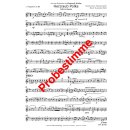
Mit der Herzraub Polka gibt Florian Scherbl, Dirigent der Blaskapelle Weiding sein Debüt im melicus.musikverlag. Gemeinsam mit dem jungen Komponisten und Arrangeur Konstantin Stahl entstand diese Polka mit Gesang. Der Text stammt vom Komponisten selbst. Das Werk im Grad 3 ist eingängig und kommt ohne komplizierte Passagen aus.
Enthaltene Stimmen - Böhmische Besetzung
Direktion in C
Klarinette in Es
1. Klarinette in B
2. Klarinette in B
3. Klarinette in B
1. Trompete in B
2. Trompete in B
1. Flügelhorn in B (2x)
2. Flügelhorn in B (2x)
1. Tenorhorn in B (2x)
1. Tenorhorn in C (2x)
Bariton in B/C (2x)
1. Posaune in C/B
2. Posaune in C/B
3. Posaune in C/B
1. Tuba in C / Fagott
Tuba in Es
2. Tuba in C
Tuba in B
Schlagzeug
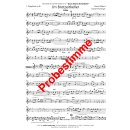
Im Brotzeitkeller - eine Polka von Daniel Hilbert und Daniel Fischinger. Gewidmet ist dieses Werk Tobias Hetterich von "Bauer Roberts Brotzeitkeller"
Enthaltene Stimmen - Großes Blasorchester
Direktion in C
Flöte 1 in C (2x)
Oboe in C (2. Flöte) (2x)
Klarinette in Es
1. Klarinette in B (2x)
2. Klarinette in B (2x)
3. Klarinette in B (2x)
Bassklarinette in B
1. Altsaxophon in Es (2x)
2. Altsaxophon in Es (2x)
1. Trompete in B (2x)
2. Trompete in B (2x)
1. Flügelhorn in B (2x)
2. Flügelhorn in B (2x)
1. Tenorhorn / 1. Tenorsaxophon in B (2x)
1. Tenorhorn in C, (2x)
Bariton in B / 2. Tenorsaxophon in B (2x)
Bariton in C (2x)
1. Horn in F/Es (Begleitung)
2. Horn in F/Es (Begleitung)
3. Horn in F/Es (Begleitung)
1. Horn in F/Es (Melodie)
2. Horn in F/Es (Melodie)
1. Posaune in C/B
2. Posaune in C/B
3. Posaune in C/B
1. Tuba in C / Fagott (2x)
Tuba in Es / Baritonsaxophon (2x)
2. Tuba in C (2x)
Tuba in B (2x)
Schlagzeug
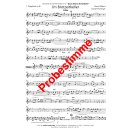
Im Brotzeitkeller - eine Polka von Daniel Hilbert und Daniel Fischinger. Gewidmet ist dieses Werk Tobias Hetterich von "Bauer Roberts Brotzeitkeller"
Enthaltene Stimmen - Böhmische Besetzung
Direktion in C
Klarinette in Es
1. Klarinette in B
2. Klarinette in B
3. Klarinette in B
1. Trompete in B
2. Trompete in B
1. Flügelhorn in B (2x)
2. Flügelhorn in B (2x)
1. Tenorhorn in B (2x)
1. Tenorhorn in C (2x)
Bariton in B/C (2x)
1. Posaune in C/B
2. Posaune in C/B
3. Posaune in C/B
1. Tuba in C / Fagott
Tuba in Es
2. Tuba in C
Tuba in B
Schlagzeug
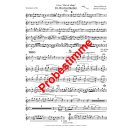
Im Brotzeitkeller - eine Polka von Daniel Hilbert und Daniel Fischinger. Gewidmet ist dieses Werk Tobias Hetterich von "Bauer Roberts Brotzeitkeller"
Enthaltene Stimmen - Blech & (Balg)
Akkordeon in C (Direktion)
Trompete in B
1. Flügelhorn in B
2. Flügelhorn in B
Tenorhorn in B/C
Bariton in B/C
Tuba in C/B/Eb
Schlagzeug
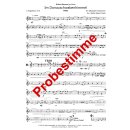
Sebastian Heinzmann komponierte diese Polka für seinen Freund Helmut Hummel. Dieser war viele Jahre Chef von "Helmut Hummel und seine Neue Donauschwäbische Blasmusik“. Das Werk im Grad 3 wurde von Stefan Albert Frank arrangiert.
Enthaltene Stimmen - Großes Blasorchester
Direktion in C
Flöte 1 in C (2x)
Oboe in C (2. Flöte) (2x)
Klarinette in Es
1. Klarinette in B (2x)
2. Klarinette in B (2x)
3. Klarinette in B (2x)
1. Altsaxophon in Es (2x)
2. Altsaxophon in Es (2x)
1. Trompete in B (2x)
2. Trompete in B (2x)
1. Flügelhorn in B (2x)
2. Flügelhorn in B (2x)
1. Tenorhorn / 1. Tenorsaxophon in B (2x)
1. Tenorhorn in C, (2x)
Bariton in B / 2. Tenorsaxophon in B (2x)
Bariton in C (2x)
1. Horn in F/Es (Begleitung)
2. Horn in F/Es (Begleitung)
3. Horn in F/Es (Begleitung)
1. Horn in F/Es (Melodie)
2. Horn in F/Es (Melodie)
1. Posaune in C/B
2. Posaune in C/B
3. Posaune in C/B
1. Tuba in C / Fagott (2x)
Tuba in Es / Baritonsaxophon (2x)
2. Tuba in C (2x)
Tuba in B (Bassklarinette) (2x)
Schlagzeug
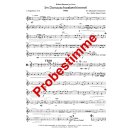
Sebastian Heinzmann komponierte diese Polka für seinen Freund Helmut Hummel. Dieser war viele Jahre Chef von "Helmut Hummel und seine Neue Donauschwäbische Blasmusik“. Das Werk im Grad 3 wurde von Stefan Albert Frank arrangiert.
Enthaltene Stimmen - Böhmische Besetzung
Direktion in C
Klarinette in Es
1. Klarinette in B
2. Klarinette in B
3. Klarinette in B
1. Trompete in B
2. Trompete in B
1. Flügelhorn in B (2x)
2. Flügelhorn in B (2x)
1. Tenorhorn in B (2x)
1. Tenorhorn in C (2x)
Bariton in B/C (2x)
1. Posaune in C/B
2. Posaune in C/B
3. Posaune in C/B
1. Tuba in C / Fagott
Tuba in Es
2. Tuba in C
Tuba in B
Schlagzeug
- Wichtige Informationen zur Download Ausgabe -
- Download Ausgaben liefern wir nur gegen Vorkasse!
- Sie erhalten max. 24 Stunden nach Zahlungseingang
einen auf ihren Namen lizenzierten Notensatz per Mail! - Die Lizenzangaben dürfen nicht entfernt werden!
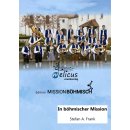
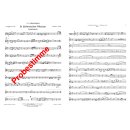
In böhmischer Mission, ein Konzertmarsch von Stefan Albert Frank im Grad 3-3,5. Schmissige Flügelhörner im ersten Teil, untermalt von weichen Tenorhörnern gipfeln in ein melodiöses Trio.
Enthaltene Stimmen - Großes Blasorchester
Direktion in C
Flöte 1 in C (2x)
Flöte 2 in C (2x)
Oboe in C
Klarinette in Es
1. Klarinette in B (2x)
2. Klarinette in B (2x)
3. Klarinette in B (2x)
Bassklarinette in B
1. Altsaxophon in Es (2x)
2. Altsaxophon in Es (2x)
1. Trompete in B (2x)
2. Trompete in B (2x)
1. Flügelhorn in B (2x)
2. Flügelhorn in B (2x)
1. Tenorhorn / 1. Tenorsaxophon in B (2x)
Bariton in B / 2. Tenorsaxophon in B (2x)
Bariton in C (2x)
1. Horn in F/Es (Begleitung)
2. Horn in F/Es (Begleitung)
3. Horn in F/Es (Begleitung)
1. Horn in F/Es (Melodie)
2. Horn in F/Es (Melodie)
1. Posaune in C/B
2. Posaune in C/B
3. Posaune in C/B
1. Tuba in C / Fagott (2x)
Tuba in Es / Baritonsaxophon (2x)
2. Tuba in C (2x)
Tuba in B /Bassklarinette (2x)
Schlagzeug
Becken
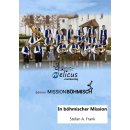
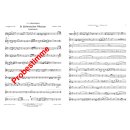
In böhmischer Mission, ein Konzertmarsch von Stefan Albert Frank im Grad 3-3,5. Schmissige Flügelhörner im ersten Teil, untermalt von weichen Tenorhörnern gipfeln in ein melodiöses Trio.
Enthaltene Stimmen - Böhmische Besetzung
Direktion in C
Klarinette in Es
1. Klarinette in B
2. Klarinette in B
3. Klarinette in B
1. Trompete in B
2. Trompete in B
1. Flügelhorn in B (2x)
2. Flügelhorn in B (2x)
1. Tenorhorn / 1. Tenorsaxophon in B (2x)
(1. Tenorhorn in C, 2x)
Bariton in B/C (2x)
1. Posaune in C/B
2. Posaune in C/B
3. Posaune in C/B
1. Tuba in C / Fagott (2x)
Tuba in Es / Baritonsaxophon (2x)
2. Tuba in C (2x)
Tuba in B / Bassklarinette (2x)
Schlagzeug
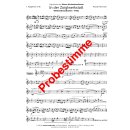
Pascal Führnrohr komponierte diese Polka im Schwierigkeitsgrad 3. Besonders markant ist der erste Teil, der durch die besondere Rhythmik an einen "Boarischen" erinnert. Das kurze und knackige Basssolo leitet zur Reprise des ersten Teils über. Im Trio sind lange, harmonische Phrasen, die nach einem Akkordeon-Solo nochmal im Tutti erklingen. Gewidmet ist diese Komposition den Eslarner Werkstattmusikanten. Wir finden, diese Komposition ist streckenweise keine typische böhmische Polka, was sie für Abwechslung-Suchende zu einer Bereicherung in der Notenmappe macht!
Enthaltene Stimmen - Großes Blasorchester
Direktion in C
Flöte 1 in C (2x)
Oboe in C (2. Flöte) (2x)
Klarinette in Es
1. Klarinette in B (2x)
2. Klarinette in B (2x)
3. Klarinette in B (2x)
1. Altsaxophon in Es (2x)
2. Altsaxophon in Es (2x)
1. Trompete in B (2x)
2. Trompete in B (2x)
1. Flügelhorn in B (2x)
2. Flügelhorn in B (2x)
1. Tenorhorn / 1. Tenorsaxophon in B (2x)
1. Tenorhorn in C, (2x)
Bariton in B / 2. Tenorsaxophon in B (2x)
Bariton in C (2x)
1. Horn in F/Es (Begleitung)
2. Horn in F/Es (Begleitung)
3. Horn in F/Es (Begleitung)
1. Horn in F/Es (Melodie)
2. Horn in F/Es (Melodie)
1. Posaune in C/B
2. Posaune in C/B
3. Posaune in C/B
1. Tuba in C / Fagott (2x)
Tuba in Es / Baritonsaxophon (2x)
2. Tuba in C (2x)
Tuba in B (Bassklarinette) (2x)
Schlagzeug
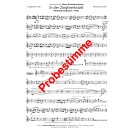
Pascal Führnrohr komponierte diese Polka im Schwierigkeitsgrad 3. Besonders markant ist der erste Teil, der durch die besondere Rhythmik an einen "Boarischen" erinnert. Das kurze und knackige Basssolo leitet zur Reprise des ersten Teils über. Im Trio sind lange, harmonische Phrasen, die nach einem Akkordeon-Solo nochmal im Tutti erklingen. Gewidmet ist diese Komposition den Eslarner Werkstattmusikanten. Wir finden, diese Komposition ist streckenweise keine typische böhmische Polka, was sie für Abwechslung-Suchende zu einer Bereicherung in der Notenmappe macht!
Enthaltene Stimmen - Böhmische Besetzung
Direktion in C
Klarinette in Es
1. Klarinette in B
2. Klarinette in B
3. Klarinette in B
1. Trompete in B
2. Trompete in B
1. Flügelhorn in B (2x)
2. Flügelhorn in B (2x)
1. Tenorhorn in B (2x)
1. Tenorhorn in C (2x)
Bariton in B/C (2x)
1. Posaune in C/B
2. Posaune in C/B
3. Posaune in C/B
1. Tuba in C / Fagott
Tuba in Es
2. Tuba in C
Tuba in B
Schlagzeug

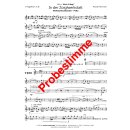
Pascal Führnrohr komponierte diese Polka im Schwierigkeitsgrad 3. Besonders markant ist der erste Teil, der durch die besondere Rhythmik an einen "Boarischen" erinnert. Das kurze und knackige Basssolo leitet zur Reprise des ersten Teils über. Im Trio sind lange, harmonische Phrasen, die nach einem Akkordeon-Solo nochmal im Tutti erklingen. Gewidmet ist diese Komposition den Eslarner Werkstattmusikanten. Wir finden, diese Komposition ist streckenweise keine typische böhmische Polka, was sie für Abwechslung-Suchende zu einer Bereicherung in der Notenmappe macht!
Enthaltene Stimmen - Blech & (Balg)
Akkordeon in C (Direktion)
Trompete in B
1. Flügelhorn in B
2. Flügelhorn in B
Tenorhorn in B/C
Bariton in B/C
Tuba in C/B
Schlagzeug
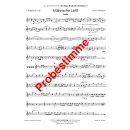
Mährische Löffl, eine Polka im mährischen Stil von Daniel Käsbauer. Die Komposition im Grad 3 sollte nicht zu langsam gespielt werden. Tenor- und Flügelhörner wechseln sich bei den Melodie-Themen jeweils ab und optional kann im Trio "gelöffelt" werden.
Enthaltene Stimmen - Großes Blasorchester
Direktion in C
Flöte 1 in C (2x)
Flöte 2 in C (2x)
Oboe in C
Klarinette in Es
1. Klarinette in B (2x)
2. Klarinette in B (2x)
3. Klarinette in B (2x)
Bassklarinette in B
1. Altsaxophon in Es (2x)
2. Altsaxophon in Es (2x)
1. Trompete in B (2x)
2. Trompete in B (2x)
1. Flügelhorn in B (2x)
2. Flügelhorn in B (2x)
1. Tenorhorn / 1. Tenorsaxophon in B (2x)
(1. Tenorhorn in C, 2x)
Bariton in B / 2. Tenorsaxophon in B (2x)
Bariton in C (2x)
1. Horn in F/Es (Begleitung)
2. Horn in F/Es (Begleitung)
3. Horn in F/Es (Begleitung)
1. Horn in F/Es (Melodie)
2. Horn in F/Es (Melodie)
1. Posaune in C/B
2. Posaune in C/B
3. Posaune in C/B
1. Tuba in C / Fagott (2x)
Tuba in Es / Baritonsaxophon (2x)
2. Tuba in C (2x)
Tuba in B (2x)
Schlagzeug
Mährische Löffl, eine Polka im mährischen Stil von Daniel Käsbauer. Die Komposition im Grad 3 sollte nicht zu langsam gespielt werden. Tenor- und Flügelhörner wechseln sich bei den Melodie-Themen jeweils ab und optional kann im Trio "gelöffelt" werden.
Enthaltene Stimmen - Böhmische Besetzung
Direktion in C
Klarinette in Es
1. Klarinette in B
2. Klarinette in B
3. Klarinette in B
1. Trompete in B
2. Trompete in B
1. Flügelhorn in B (2x)
2. Flügelhorn in B (2x)
1. Tenorhorn / 1. Tenorsaxophon in B (2x)
(1. Tenorhorn in C, 2x)
Bariton in B/C (2x)
1. Posaune in C/B
2. Posaune in C/B
3. Posaune in C/B
1. Tuba in C / Fagott (2x)
Tuba in Es / Baritonsaxophon (2x)
2. Tuba in C (2x)
Tuba in B (2x)
Schlagzeug
Enthaltene Stimmen - Großes Blasorchester
Direktion in C
Flöte 1 in C (2x)
Oboe in C (2. Flöte) (2x)
Klarinette in Es
1. Klarinette in B (2x)
2. Klarinette in B (2x)
3. Klarinette in B (2x)
1. Altsaxophon in Es (2x)
2. Altsaxophon in Es (2x)
1. Trompete in B (2x)
2. Trompete in B (2x)
1. Flügelhorn in B (2x)
2. Flügelhorn in B (2x)
1. Tenorhorn / 1. Tenorsaxophon in B (2x)
1. Tenorhorn in C (2x)
Bariton in B / 2. Tenorsaxophon in B (2x)
Bariton in C (2x)
1. Horn in F/Es (Begleitung)
2. Horn in F/Es (Begleitung)
3. Horn in F/Es (Begleitung)
1. Horn in F/Es (Melodie)
2. Horn in F/Es (Melodie)
1. Posaune in C/B
2. Posaune in C/B
3. Posaune in C/B
1. Tuba in C / Fagott (2x)
Tuba in Es / Baritonsaxophon (2x)
2. Tuba in C (2x)
Tuba in B (2x)
Schlagzeug
Stefan Kühndorf, ein junger Komponist und Tubist hat die Mausi Polka komponiert. Das Werk im Grad 3 wird etwas flotter gespielt und erhält dadurch einen besonderen "Groove". Kühndorfs Markenzeichen sind - neben sehr eingängigen Melodien - die äußerst interessanten und sehr intelligent gesetzten Modulationen und Umspielungen. Gerade diese machen auch die Mausi Polka zu einem besonderen Unikat!
Enthaltene Stimmen - Großes Blasorchester
Direktion in C
Flöte 1 in C (2x)
Oboe in C (2. Flöte) (2x)
Klarinette in Es
1. Klarinette in B (2x)
2. Klarinette in B (2x)
3. Klarinette in B (2x)
1. Altsaxophon in Es (2x)
2. Altsaxophon in Es (2x)
1. Trompete in B (2x)
2. Trompete in B (2x)
1. Flügelhorn in B (2x)
2. Flügelhorn in B (2x)
1. Tenorhorn / 1. Tenorsaxophon in B (2x)
1. Tenorhorn in C, (2x)
Bariton in B / 2. Tenorsaxophon in B (2x)
Bariton in C (2x)
1. Horn in F/Es (Begleitung)
2. Horn in F/Es (Begleitung)
3. Horn in F/Es (Begleitung)
1. Horn in F/Es (Melodie)
2. Horn in F/Es (Melodie)
1. Posaune in C/B
2. Posaune in C/B
3. Posaune in C/B
1. Tuba in C / Fagott (2x)
Tuba in Es / Baritonsaxophon (2x)
2. Tuba in C (2x)
Tuba in B (Bassklarinette) (2x)
Schlagzeug
Stefan Kühndorf, ein junger Komponist und Tubist hat die Mausi Polka komponiert. Das Werk im Grad 3 wird etwas flotter gespielt und erhält dadurch einen besonderen "Groove". Kühndorfs Markenzeichen sind - neben sehr eingängigen Melodien - die äußerst interessanten und sehr intelligent gesetzten Modulationen und Umspielungen. Gerade diese machen auch die Mausi Polka zu einem besonderen Unikat!
Enthaltene Stimmen - Böhmische Besetzung
Direktion in C
Klarinette in Es
1. Klarinette in B
2. Klarinette in B
3. Klarinette in B
1. Trompete in B
2. Trompete in B
1. Flügelhorn in B (2x)
2. Flügelhorn in B (2x)
1. Tenorhorn in B (2x)
1. Tenorhorn in C (2x)
Bariton in B/C (2x)
1. Posaune in C/B
2. Posaune in C/B
3. Posaune in C/B
1. Tuba in C / Fagott
Tuba in Es
2. Tuba in C
Tuba in B
Schlagzeug
Stefan Kühndorf, ein junger Komponist und Tubist hat die Mausi Polka komponiert. Das Werk im Grad 3 wird etwas flotter gespielt und erhält dadurch einen besonderen "Groove". Kühndorfs Markenzeichen sind - neben sehr eingängigen Melodien - die äußerst interessanten und sehr intelligent gesetzten Modulationen und Umspielungen. Gerade diese machen auch die Mausi Polka zu einem besonderen Unikat!
Enthaltene Stimmen - Blech & (Balg)
Akkordeon in C (Direktion)
Trompete in B
1. Flügelhorn in B
2. Flügelhorn in B
Tenorhorn in B/C
Bariton in B/C
Tuba in C/B
Schlagzeug
Energie pur – von der ersten Note bis zum letzten Takt. 🎺 „Meine Lebensfreude" (Grad 3,5) bringt alles mit, was eine gute Polka braucht: zackige Melodien, ein Basssolo, dreistimmige Trio-Passagen und ein fulminantes Finale. Jetzt mit optionalen Original-Tubastimmen der Mission-Böhmisch-Aufnahme.
Enthaltene Stimmen - Großes Blasorchester
Direktion in C
Flöte 1 in C (2x)
Oboe in C (2. Flöte) (2x)
Klarinette in Es
1. Klarinette in B (2x)
2. Klarinette in B (2x)
3. Klarinette in B (2x)
1. Altsaxophon in Es (2x)
2. Altsaxophon in Es (2x)
1. Trompete in B (2x)
2. Trompete in B (2x)
1. Flügelhorn in B (2x)
2. Flügelhorn in B (2x)
1. Tenorhorn / 1. Tenorsaxophon in B (2x)
1. Tenorhorn in C (2x)
Bariton in B / 2. Tenorsaxophon in B (2x)
Bariton in C (2x)
1. Horn in F/Es (Begleitung)
2. Horn in F/Es (Begleitung)
3. Horn in F/Es (Begleitung)
1. Horn in F/Es (Melodie)
2. Horn in F/Es (Melodie)
1. Posaune in C/B
2. Posaune in C/B
3. Posaune in C/B
1. Tuba in C / Fagott (2x)
Tuba in Es / Baritonsaxophon (2x)
2. Tuba in C (2x)
Tuba in B (Bassklarinette) (2x)
Schlagzeug