melicus.musikverlag
>> Hier gehts zur Ausgabe für großes Blasorchester <<
✅ Als gedruckte oder Download-Ausgabe erhältlich.
✅ Optimal für die Saison 2026
Enthaltene Stimmen - Böhmische Besetzung
Direktion in C
Klarinette in Es
1. Klarinette in B
2. Klarinette in B
3. Klarinette in B
1. Trompete in B
2. Trompete in B
1. Flügelhorn in B (2x)
2. Flügelhorn in B (2x)
1. Tenorhorn in B (2x)
1. Tenorhorn in C (2x)
Bariton in B/C (2x)
1. Posaune in C/B
2. Posaune in C/B
3. Posaune in C/B
1. Tuba in C / Fagott
Tuba in Es
2. Tuba in C
Tuba in B
Schlagzeug
>> Hier gehts zur Ausgabe für böhmische Besetzung <<
✅ Als gedruckte oder Download-Ausgabe erhältlich.
✅ Optimal für die Saison 2026
Enthaltene Stimmen - Großes Blasorchester
Direktion in C
Flöte 1 in C (2x)
Oboe in C (2. Flöte) (2x)
Klarinette in Es
1. Klarinette in B (2x)
2. Klarinette in B (2x)
3. Klarinette in B (2x)
1. Altsaxophon in Es (2x)
2. Altsaxophon in Es (2x)
1. Trompete in B (2x)
2. Trompete in B (2x)
1. Flügelhorn in B (2x)
2. Flügelhorn in B (2x)
1. Tenorhorn / 1. Tenorsaxophon in B (2x)
1. Tenorhorn in C, (2x)
Bariton in B / 2. Tenorsaxophon in B (2x)
Bariton in C (2x)
1. Horn in F/Es (Begleitung)
2. Horn in F/Es (Begleitung)
3. Horn in F/Es (Begleitung)
1. Horn in F/Es (Melodie)
2. Horn in F/Es (Melodie)
1. Posaune in C/B
2. Posaune in C/B
3. Posaune in C/B
1. Tuba in C / Fagott (2x)
Tuba in Es / Baritonsaxophon (2x)
2. Tuba in C (2x)
Tuba in B (Bassklarinette) (2x)
Schlagzeug
"Wir feiern heute ein böhmisches Fest und Ihr seid alle unsre Gäste..."! So beginnt der Text dieser schmissigen Polka, welcher optional von einem Gesangsduo vorgetragen werden kann. Die Komposition von Daniel Käsbauer im Grad 3 eignet sich perfekt, die anwesenden Gäste zu begrüßen, nicht nur im Festzelt!
Enthaltene Stimmen - Böhmische Besetzung
Direktion in C
Klarinette in Es
1. Klarinette in B
2. Klarinette in B
3. Klarinette in B
1. Trompete in B
2. Trompete in B
1. Flügelhorn in B (2x)
2. Flügelhorn in B (2x)
1. Tenorhorn / 1. Tenorsaxophon in B (2x)
(1. Tenorhorn in C, 2x)
Bariton in B/C (2x)
1. Posaune in C/B
2. Posaune in C/B
3. Posaune in C/B
1. Tuba in C / Fagott (2x)
Tuba in Es / Baritonsaxophon (2x)
2. Tuba in C (2x)
Tuba in B (2x)
Schlagzeug
"Wir feiern heute ein böhmisches Fest und Ihr seid alle unsre Gäste..."! So beginnt der Text dieser schmissigen Polka, welcher optional von einem Gesangsduo vorgetragen werden kann. Die Komposition von Daniel Käsbauer im Grad 3 eignet sich perfekt, die anwesenden Gäste zu begrüßen, nicht nur im Festzelt!
Enthaltene Stimmen - Großes Blasorchester
Direktion in C
Flöte 1 in C (2x)
Flöte 2 in C (2x)
Oboe in C
Klarinette in Es
1. Klarinette in B (2x)
2. Klarinette in B (2x)
3. Klarinette in B (2x)
Bassklarinette in B
1. Altsaxophon in Es (2x)
2. Altsaxophon in Es (2x)
1. Trompete in B (2x)
2. Trompete in B (2x)
1. Flügelhorn in B (2x)
2. Flügelhorn in B (2x)
1. Tenorhorn / 1. Tenorsaxophon in B (2x)
(1. Tenorhorn in C, 2x)
Bariton in B / 2. Tenorsaxophon in B (2x)
Bariton in C (2x)
1. Horn in F/Es (Begleitung)
2. Horn in F/Es (Begleitung)
3. Horn in F/Es (Begleitung)
1. Horn in F/Es (Melodie)
2. Horn in F/Es (Melodie)
1. Posaune in C/B
2. Posaune in C/B
3. Posaune in C/B
1. Tuba in C / Fagott (2x)
Tuba in Es / Baritonsaxophon (2x)
2. Tuba in C (2x)
Tuba in B (2x)
Schlagzeug
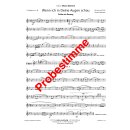
Wenn ich in deine Augen schau, eine Polka mit Gesang von Daniel Käsbauer. Die Polka im Grad 3 beginnt mit einem schmissigen Teil, gefolgt von einem kurzen Basssolo, bevor im Trio ein Gesangs-Duo sein Können unter Beweis stellen kann.
Enthaltene Stimmen - Böhmische Besetzung
Direktion in C
Klarinette in Es
1. Klarinette in B
2. Klarinette in B
3. Klarinette in B
1. Trompete in B
2. Trompete in B
1. Flügelhorn in B (2x)
2. Flügelhorn in B (2x)
1. Tenorhorn / 1. Tenorsaxophon in B (2x)
(1. Tenorhorn in C, 2x)
Bariton in B/C (2x)
1. Posaune in C/B
2. Posaune in C/B
3. Posaune in C/B
1. Tuba in C / Fagott (2x)
Tuba in Es / Baritonsaxophon (2x)
2. Tuba in C (2x)
Tuba in B (2x)
Schlagzeug
Gesang
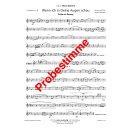
Wenn ich in deine Augen schau, eine Polka mit Gesang von Daniel Käsbauer. Die Polka im Grad 3 beginnt mit einem schmissigen Teil, gefolgt von einem kurzen Basssolo, bevor im Trio ein Gesangs-Duo sein Können unter Beweis stellen kann.
Enthaltene Stimmen - Großes Blasorchester
Direktion in C
Flöte 1 in C (2x)
Flöte 2 in C (2x)
Oboe in C
Klarinette in Es
1. Klarinette in B (2x)
2. Klarinette in B (2x)
3. Klarinette in B (2x)
Bassklarinette in B
1. Altsaxophon in Es (2x)
2. Altsaxophon in Es (2x)
1. Trompete in B (2x)
2. Trompete in B (2x)
1. Flügelhorn in B (2x)
2. Flügelhorn in B (2x)
1. Tenorhorn / 1. Tenorsaxophon in B (2x)
(1. Tenorhorn in C, 2x)
Bariton in B / 2. Tenorsaxophon in B (2x)
Bariton in C (2x)
1. Horn in F/Es (Begleitung)
2. Horn in F/Es (Begleitung)
3. Horn in F/Es (Begleitung)
1. Horn in F/Es (Melodie)
2. Horn in F/Es (Melodie)
1. Posaune in C/B
2. Posaune in C/B
3. Posaune in C/B
1. Tuba in C / Fagott (2x)
Tuba in Es / Baritonsaxophon (2x)
2. Tuba in C (2x)
Tuba in B (2x)
Schlagzeug
Gesang
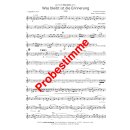
Die Polka „Was bleibt ist die Erinnerung“ ist ein musikalischer Nachruf von Daniel Fischinger für seine verstorbene Freundin Britta Dotter. Das Werk vereint emotionale und fröhliche Passagen, die von Brittas Leben erzählen und daran erinnern, dass trotz des Schmerzes die schöne Erinnerung an die gemeinsame Zeit bleibt.
>> Hier gehts zur Ausgabe für Blasorchester <<
✅ Als gedruckte oder Download-Ausgabe erhältlich.
✅ Optimal für die Saison 2026
Enthaltene Stimmen - Böhmische Besetzung
Direktion in C
Klarinette in Es
1. Klarinette in B
2. Klarinette in B
3. Klarinette in B
1. Trompete in B
2. Trompete in B
1. Flügelhorn in B (2x)
2. Flügelhorn in B (2x)
1. Tenorhorn in B (2x)
1. Tenorhorn in C (2x)
Bariton in B/C (2x)
1. Posaune in C/B
2. Posaune in C/B
3. Posaune in C/B
1. Tuba in C / Fagott
Tuba in Es
2. Tuba in C
Tuba in B
Schlagzeug
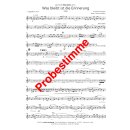
Die Polka „Was bleibt ist die Erinnerung“ ist ein musikalischer Nachruf von Daniel Fischinger für seine verstorbene Freundin Britta Dotter. Das Werk vereint emotionale und fröhliche Passagen, die von Brittas Leben erzählen und daran erinnern, dass trotz des Schmerzes die schöne Erinnerung an die gemeinsame Zeit bleibt.
>> Hier gehts zur Ausgabe für "Böhmische Besetzung" <<
✅ Als gedruckte oder Download-Ausgabe erhältlich.
✅ Optimal für die Saison 2026
Enthaltene Stimmen - Großes Blasorchester
Direktion in C
Flöte 1 in C (2x)
Oboe in C (2. Flöte) (2x)
Klarinette in Es
1. Klarinette in B (2x)
2. Klarinette in B (2x)
3. Klarinette in B (2x)
1. Altsaxophon in Es (2x)
2. Altsaxophon in Es (2x)
1. Trompete in B (2x)
2. Trompete in B (2x)
1. Flügelhorn in B (2x)
2. Flügelhorn in B (2x)
1. Tenorhorn / 1. Tenorsaxophon in B (2x)
1. Tenorhorn in C, 2x
Bariton in B / 2. Tenorsaxophon in B (2x)
Bariton in C (2x)
1. Horn in F/Es (Begleitung)
2. Horn in F/Es (Begleitung)
3. Horn in F/Es (Begleitung)
1. Horn in F/Es (Melodie)
2. Horn in F/Es (Melodie)
1. Posaune in C/B
2. Posaune in C/B
3. Posaune in C/B
1. Tuba in C / Fagott (2x)
Tuba in Es / Baritonsaxophon (2x)
2. Tuba in C (2x)
Tuba in B (Bassklarinette) (2x)
Schlagzeug
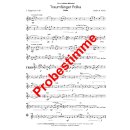
Die Traumfänger Polka - eine instrumentale Polka im Grad 3 von Stefan Albert Frank. Dieses Werk hat einen starken konzertanten Charakter. Im zweiten Teil pausiert das Schlagzeug zunächst. Das Holz spielt die Melodie als Soli, was sehr getragen und ruhig wirkt. Im Trio wechseln sich Tenorhorn und Flügelhorn ab. Nach der Trio-Reprise entschleunigt sich die Polka mit einem besonders effektvollen Teil. Die Hölzer bilden hierbei die Basis, Flügelhorn und Tenorhorn leiten hin zu einem friedlichen Ende dieser Komposition.
Enthaltene Stimmen - Böhmische Besetzung
Direktion in C
Klarinette in Es
1. Klarinette in B
2. Klarinette in B
3. Klarinette in B
1. Trompete in B
2. Trompete in B
1. Flügelhorn in B (2x)
2. Flügelhorn in B (2x)
1. Tenorhorn in B (2x)
1. Tenorhorn in C (2x)
Bariton in B/C (2x)
1. Posaune in C/B
2. Posaune in C/B
3. Posaune in C/B
1. Tuba in C / Fagott
Tuba in Es
2. Tuba in C
Tuba in B
Schlagzeug
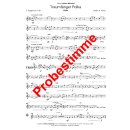
Die Traumfänger Polka - eine instrumentale Polka im Grad 3 von Stefan Albert Frank. Dieses Werk hat einen starken konzertanten Charakter. Im zweiten Teil pausiert das Schlagzeug zunächst. Das Holz spielt die Melodie als Soli, was sehr getragen und ruhig wirkt. Im Trio wechseln sich Tenorhorn und Flügelhorn ab. Nach der Trio-Reprise entschleunigt sich die Polka mit einem besonders effektvollen Teil. Die Hölzer bilden hierbei die Basis, Flügelhorn und Tenorhorn leiten hin zu einem friedlichen Ende dieser Komposition.
Enthaltene Stimmen - Großes Blasorchester
Direktion in C
Flöte 1 in C (2x)
Oboe in C (2. Flöte) (2x)
Klarinette in Es
1. Klarinette in B (2x)
2. Klarinette in B (2x)
3. Klarinette in B (2x)
1. Altsaxophon in Es (2x)
2. Altsaxophon in Es (2x)
1. Trompete in B (2x)
2. Trompete in B (2x)
1. Flügelhorn in B (2x)
2. Flügelhorn in B (2x)
1. Tenorhorn / 1. Tenorsaxophon in B (2x)
1. Tenorhorn in C, 2x
Bariton in B / 2. Tenorsaxophon in B (2x)
Bariton in C (2x)
1. Horn in F/Es (Begleitung)
2. Horn in F/Es (Begleitung)
3. Horn in F/Es (Begleitung)
1. Horn in F/Es (Melodie)
2. Horn in F/Es (Melodie)
1. Posaune in C/B
2. Posaune in C/B
3. Posaune in C/B
1. Tuba in C / Fagott (2x)
Tuba in Es / Baritonsaxophon (2x)
2. Tuba in C (2x)
Tuba in B (Bassklarinette) (2x)
Schlagzeug