Blasorchester
Blasorchester
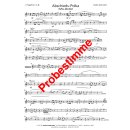
Die Abschieds-Polka von Stefan Kühndorf ist einem ehemaligen Musiker-Kollegen Kühndorfs gewidmet, der seine aktive Zeit beim Musikverein nach vielen Jahren beendet hat. Die Polka im Grad 3 beginnt mit einem gemütlichen ersten Teil, der nach einem melodiösen zweiten Teil wiederholt wird. Im Trio übernehmen zunächst das Tenorhorn / Bariton die Melodie. Nach einem kurzen Basssolo wiederholt sich das Trio im Tutti.
Enthaltene Stimmen - Großes Blasorchester
Direktion in C
Flöte 1 in C (2x)
Oboe in C (2. Flöte) (2x)
Klarinette in Es
1. Klarinette in B (2x)
2. Klarinette in B (2x)
3. Klarinette in B (2x)
Bassklarinette in B
1. Altsaxophon in Es (2x)
2. Altsaxophon in Es (2x)
1. Trompete in B (2x)
2. Trompete in B (2x)
1. Flügelhorn in B (2x)
2. Flügelhorn in B (2x)
1. Tenorhorn / 1. Tenorsaxophon in B (2x)
1. Tenorhorn in C, (2x)
Bariton in B / 2. Tenorsaxophon in B (2x)
Bariton in C (2x)
1. Horn in F/Es (Begleitung)
2. Horn in F/Es (Begleitung)
3. Horn in F/Es (Begleitung)
1. Horn in F/Es (Melodie)
2. Horn in F/Es (Melodie)
1. Posaune in C/B
2. Posaune in C/B
3. Posaune in C/B
1. Tuba in C / Fagott (2x)
Tuba in Es / Baritonsaxophon (2x)
2. Tuba in C (2x)
Tuba in B (2x)
Schlagzeug
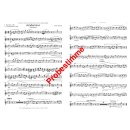
Mit dem Academicus Konzertmarsch gibt der junge und sympathische mittelfränkische Komponist Felix Matczak sein Debüt im melicus.musikverlag. Felix war Teilnehmer der melicus.akademie und lernte dort, wie er Melodien selbstständig für großes Blasorchester arrangiert.
Der Marsch beginnt mit einem ruhigeren ersten Teil, der ohne große Aufregung in ein mächtiges Basssolo mündet. Im Trio dominiert eine liebliche und melancholische Melodie, die abwechselnd von Tenorhorn und Bariton wie den Flügelhörnern gespielt wird. Ein kurzer, aber ein deutlich Spannung erzeugender vierter Teil leitet zum großen Finale über, bei dem das Thema des Trios erneut erklingt.
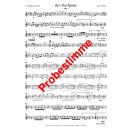
Am Dorfplatz - eine Polka von Josef Thums.
Enthaltene Stimmen - Großes Blasorchester
Direktion in C
Flöte 1 in C (2x)
Oboe in C (2. Flöte) (2x)
Klarinette in Es
1. Klarinette in B (2x)
2. Klarinette in B (2x)
3. Klarinette in B (2x)
1. Altsaxophon in Es (2x)
2. Altsaxophon in Es (2x)
1. Trompete in B (2x)
2. Trompete in B (2x)
1. Flügelhorn in B (2x)
2. Flügelhorn in B (2x)
1. Tenorhorn / 1. Tenorsaxophon in B (2x)
1. Tenorhorn in C, (2x)
Bariton in B / 2. Tenorsaxophon in B (2x)
Bariton in C (2x)
1. Horn in F/Es (Begleitung)
2. Horn in F/Es (Begleitung)
3. Horn in F/Es (Begleitung)
1. Horn in F/Es (Melodie)
2. Horn in F/Es (Melodie)
1. Posaune in C/B
2. Posaune in C/B
3. Posaune in C/B
1. Tuba in C / Fagott (2x)
Tuba in Es / Baritonsaxophon (2x)
2. Tuba in C (2x)
Tuba in B (Bassklarinette) (2x)
Schlagzeug
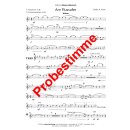
Am Flussufer, ein Blasmusik Walzer im Grad 2,5 von Stefan Albert Frank. Dieser lyrische Walzer beginnt mit einem energischen ersten Teil, der direkt in das Trio führt. Dort wechseln sich Tenorhörner, Flügelhörner und Klarinetten mit schmissigen, teilweise im staccato gehaltenen Melodiephrasen ab. Ein zweiter Trio-Teil, der von den Klarinetten dominiert wird, leitet zu einer energischen Trio-Reprise über. Das Stück endet mit einer ruhigen Weisen-Melodie.
Enthaltene Stimmen - Großes Blasorchester
Direktion in C
Flöte 1 in C (2x)
Oboe in C (2. Flöte) (2x)
Klarinette in Es
1. Klarinette in B (2x)
2. Klarinette in B (2x)
3. Klarinette in B (2x)
1. Altsaxophon in Es (2x)
2. Altsaxophon in Es (2x)
1. Trompete in B (2x)
2. Trompete in B (2x)
1. Flügelhorn in B (2x)
2. Flügelhorn in B (2x)
1. Tenorhorn / 1. Tenorsaxophon in B (2x)
1. Tenorhorn in C, 2x
Bariton in B / 2. Tenorsaxophon in B (2x)
Bariton in C (2x)
1. Horn in F/Es (Begleitung)
2. Horn in F/Es (Begleitung)
3. Horn in F/Es (Begleitung)
1. Horn in F/Es (Melodie)
2. Horn in F/Es (Melodie)
1. Posaune in C/B
2. Posaune in C/B
3. Posaune in C/B
1. Tuba in C / Fagott (2x)
Tuba in Es / Baritonsaxophon (2x)
2. Tuba in C (2x)
Tuba in B (Bassklarinette) (2x)
Schlagzeug
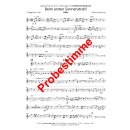
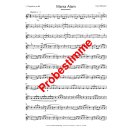
Robin Kürschner komponierte diese instrumentale Polka im Grad 3. Der erste Teil besteht aus einer eingängigen Melodie, welche in ein kurzes Basssolo mündet. Kurz vor der Reprise des ersten Teils macht eine sehr interessante harmonische Linie auf sich aufmerksam. Schließen Sie im Trio dann einfach nur die Augen und denken Sie an einen wunderschönen Sonnenaufgang und wie die ersten Sonnenstrahlen den Horizont erhellen lassen. Wunderschöne Melodie-Phrasen in allen Registern helfen einem, dieses wunderbare Erlebnis eines Sonnenaufgangs musikalisch zu untermalen. Hören Sie gleich rein und schließen Sie die Augen.
Enthaltene Stimmen - Großes Blasorchester
Direktion in C
Flöte 1 in C (2x)
Oboe in C (2. Flöte) (2x)
Klarinette in Es
1. Klarinette in B (2x)
2. Klarinette in B (2x)
3. Klarinette in B (2x)
1. Altsaxophon in Es (2x)
2. Altsaxophon in Es (2x)
1. Trompete in B (2x)
2. Trompete in B (2x)
1. Flügelhorn in B (2x)
2. Flügelhorn in B (2x)
1. Tenorhorn / 1. Tenorsaxophon in B (2x)
1. Tenorhorn in C, (2x)
Bariton in B / 2. Tenorsaxophon in B (2x)
Bariton in C (2x)
1. Horn in F/Es (Begleitung)
2. Horn in F/Es (Begleitung)
3. Horn in F/Es (Begleitung)
1. Horn in F/Es (Melodie)
2. Horn in F/Es (Melodie)
1. Posaune in C/B
2. Posaune in C/B
3. Posaune in C/B
1. Tuba in C / Fagott (2x)
Tuba in Es / Baritonsaxophon (2x)
2. Tuba in C (2x)
Tuba in B (Bassklarinette) (2x)
Schlagzeug
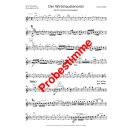
Wenn Sie den Titel "Der Wirtshaustenorist" lesen, fragen Sie sich sicher, was denn ein Wirtshaustenorist ist? Nun, wir können diese Frage nicht mit abschließender Sicherheit beantworten. Jedoch können wir einen Versuch unternehmen, uns der Definition eines Wirtshaustenoristen zu nähern, indem wir das Stück etwas genauer betrachten. Beginnen wir mit den harten Fakten: Diese Solo-Polka für Tenorhorn oder Tenorsaxophon wurde von Sascha Dalke komponiert und kann mit dem Schwierigkeitsgrad 3,5-4 bewertet werden. Die Komposition beginnt mit einer kurzen Einleitung, bevor die Solistin oder der Solist mit einer zackigen Melodielinie beginnt, die immer wieder von den Flügelhörnern oder den Tenorhörnern umspielt bzw. untermalt wird. Der zweite Teil, der zunächst in Moll beginnt und in ein helles Dur wechselt, bietet dem Solisten die Möglichkeit kurz durchzuatmen, bevor ihn das dal Segno des ersten Teils wieder fordert. Im Trio wird der Wirtshaustenorist vom 1. Tenoristen des begleitenden Orchesters unterstützt und beide zelebrieren eine weiche Legato-Melodie. Der zweite Trioteil lässt das Publikum aufhorchen, denn das Orchester verlässt die gewöhnlichen böhmischen Klänge und wechselt in eine Oberkrainer-Besetzung. Klarinette und Trompete schmettern eine für die Oberkrainer-Musik typische Melodie, die Basslinie übernimmt ein Baritonist. Durch diese aufgebaute Spannung ist es kaum verwunderlich, wenn bei der Trio-Reprise, die im Tutti gespielt wird, der Funke zum Publikum überspringt und dieses mit klatscht und mit jubelt. Zum Schluss dieses Werkes kann der Solist in einer Kadenz nochmal zeigen was er kann. Diese kann natürlich frei vorgetragen werden. Nun, wir vermuten, dass ein Wirtshaustenorist ein geselliger Mensch ist, der gerne zeigt was er kann, sich aber in Gesellschaft deutlich wohler fühlt.
Enthaltene Stimmen - Großes Blasorchester
Direktion in C
Solo-Tenorhorn in B/C
Flöte 1 in C (2x)
Oboe in C (2. Flöte) (2x)
Klarinette in Es
1. Klarinette in B (2x)
2. Klarinette in B (2x)
3. Klarinette in B (2x)
1. Altsaxophon in Es (2x)
2. Altsaxophon in Es (2x)
1. Trompete in B (2x)
2. Trompete in B (2x)
1. Flügelhorn in B (2x)
2. Flügelhorn in B (2x)
1. Tenorhorn / 1. Tenorsaxophon in B (2x)
1. Tenorhorn in C, (2x)
Bariton in B / 2. Tenorsaxophon in B (2x)
Bariton in C (2x)
1. Horn in F/Es (Begleitung)
2. Horn in F/Es (Begleitung)
3. Horn in F/Es (Begleitung)
1. Horn in F/Es (Melodie)
2. Horn in F/Es (Melodie)
1. Posaune in C/B
2. Posaune in C/B
3. Posaune in C/B
1. Tuba in C / Fagott (2x)
Tuba in Es / Baritonsaxophon (2x)
2. Tuba in C (2x)
Tuba in B (Bassklarinette) (2x)
Schlagzeug
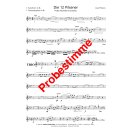
Die 12 Pilsner - eine Polka von Josef Thums. Der aus Böhmen kommende Musiker und Komponist gibt mit dieser Polka seinen Einstand beim melicus.musikverlag. Das Werk im Grad 3 ist der gleichnamigen Musikformation aus der tschechischen Stadt Pilsen gewidmet. Unverkennbar ist der gemütliche Stil von Josef Thums, der sich wie ein roter Faden durch seine Kompositionen zieht.
Enthaltene Stimmen - Großes Blasorchester
Direktion in C
Flöte 1 in C (2x)
Oboe in C (2. Flöte) (2x)
Klarinette in Es
1. Klarinette in B (2x)
2. Klarinette in B (2x)
3. Klarinette in B (2x)
Bassklarinette in B
1. Altsaxophon in Es (2x)
2. Altsaxophon in Es (2x)
1. Trompete in B (2x)
2. Trompete in B (2x)
1. Flügelhorn in B (2x)
2. Flügelhorn in B (2x)
1. Tenorhorn / 1. Tenorsaxophon in B (2x)
1. Tenorhorn in C, (2x)
Bariton in B / 2. Tenorsaxophon in B (2x)
Bariton in C (2x)
1. Horn in F/Es (Begleitung)
2. Horn in F/Es (Begleitung)
3. Horn in F/Es (Begleitung)
1. Horn in F/Es (Melodie)
2. Horn in F/Es (Melodie)
1. Posaune in C/B
2. Posaune in C/B
3. Posaune in C/B
1. Tuba in C / Fagott (2x)
Tuba in Es / Baritonsaxophon (2x)
2. Tuba in C (2x)
Tuba in B (2x)
Schlagzeug
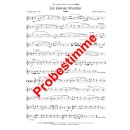
Ein kleines Wunder - diese Polka widmete Stefan Kühndorf seiner Tochter Hana. Ein lyrischer erster Teil, der teilweise dreistimmig gehalten ist, führt in einen schwungvollen zweiten Abschnitt über. Nach der Reprise folgt ein melodisches Trio, in welchem das hohe Blech, als auch Tenorhörner dreistimmig die Melodie vortragen. Die Polka im Grad 3-3,5 ist eine kurzweilige und sehr eingängige Komposition des jungen Komponisten.
Enthaltene Stimmen - Großes Blasorchester
Direktion in C
Flöte 1 in C (2x)
Oboe in C (2. Flöte) (2x)
Klarinette in Es
1. Klarinette in B (2x)
2. Klarinette in B (2x)
3. Klarinette in B (2x)
1. Altsaxophon in Es (2x)
2. Altsaxophon in Es (2x)
1. Trompete in B (2x)
2. Trompete in B (2x)
1. Flügelhorn in B (2x)
2. Flügelhorn in B (2x)
1. Tenorhorn / 1. Tenorsaxophon in B (2x)
1. Tenorhorn in C, 2x
Bariton in B / 2. Tenorsaxophon in B (2x)
Bariton in C (2x)
1. Horn in F/Es (Begleitung)
2. Horn in F/Es (Begleitung)
3. Horn in F/Es (Begleitung)
1. Horn in F/Es (Melodie)
2. Horn in F/Es (Melodie)
1. Posaune in C/B
2. Posaune in C/B
3. Posaune in C/B
1. Tuba in C / Fagott (2x)
Tuba in Es / Baritonsaxophon (2x)
2. Tuba in C (2x)
Tuba in B (Bassklarinette) (2x)
Schlagzeug
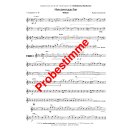
Robin Kürschner, ein junger Komponist aus Chemnitz und Dirigent der "Heidelbachtal Musikanten" hat diesen wunderschönen Walzer im Schwierigkeitsgrad 3 komponiert. Ein harmonisch traumhafter erster Teil beweist, dass Robin Kürschner ein Musiker mit Herz ist. Das Trio besticht durch eine einfache, aber dennoch weiche Melodie.
Enthaltene Stimmen - Großes Blasorchester
Direktion in C
Flöte 1 in C (2x)
Oboe in C (2. Flöte) (2x)
Klarinette in Es
1. Klarinette in B (2x)
2. Klarinette in B (2x)
3. Klarinette in B (2x)
1. Altsaxophon in Es (2x)
2. Altsaxophon in Es (2x)
1. Trompete in B (2x)
2. Trompete in B (2x)
1. Flügelhorn in B (2x)
2. Flügelhorn in B (2x)
1. Tenorhorn / 1. Tenorsaxophon in B (2x)
1. Tenorhorn in C, 2x
Bariton in B / 2. Tenorsaxophon in B (2x)
Bariton in C (2x)
1. Horn in F/Es (Begleitung)
2. Horn in F/Es (Begleitung)
3. Horn in F/Es (Begleitung)
1. Horn in F/Es (Melodie)
2. Horn in F/Es (Melodie)
1. Posaune in C/B
2. Posaune in C/B
3. Posaune in C/B
1. Tuba in C / Fagott (2x)
Tuba in Es / Baritonsaxophon (2x)
2. Tuba in C (2x)
Tuba in B (Bassklarinette) (2x)
Schlagzeug
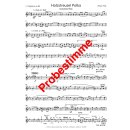
Hackschnitzel werden umgangssprachlich auch Holzstreusel genannt und wenn man sich die Komposition anhört, muss man nicht lange überlegen, welche Brücke man mit diesem Namen zum Werk schlagen kann: Energie! Die Polka im Grad 2,5-3 ist ein wahres Energiebündel und sollte auch nicht zu langsam gespielt werden.
✅ Als gedruckte oder Download-Ausgabe erhältlich.
✅ Für kleine Besetzung, Böhmische Besetzung Blasorchester
✅ Optimal für Festzelt und Konzert
Enthaltene Stimmen - Großes Blasorchester
Direktion in C
Flöte 1 in C (2x)
Oboe in C (2. Flöte) (2x)
Klarinette in Es
1. Klarinette in B (2x)
2. Klarinette in B (2x)
3. Klarinette in B (2x)
1. Altsaxophon in Es (2x)
2. Altsaxophon in Es (2x)
1. Trompete in B (2x)
2. Trompete in B (2x)
1. Flügelhorn in B (2x)
2. Flügelhorn in B (2x)
1. Tenorhorn / 1. Tenorsaxophon in B (2x)
1. Tenorhorn in C, (2x)
Bariton in B / 2. Tenorsaxophon in B (2x)
Bariton in C (2x)
1. Horn in F/Es (Begleitung)
2. Horn in F/Es (Begleitung)
3. Horn in F/Es (Begleitung)
1. Horn in F/Es (Melodie)
2. Horn in F/Es (Melodie)
1. Posaune in C/B
2. Posaune in C/B
3. Posaune in C/B
1. Tuba in C / Fagott (2x)
Tuba in Es / Baritonsaxophon (2x)
2. Tuba in C (2x)
Tuba in B (Bassklarinette) (2x)
Schlagzeug
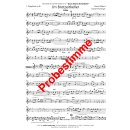
Im Brotzeitkeller - eine Polka von Daniel Hilbert und Daniel Fischinger. Gewidmet ist dieses Werk Tobias Hetterich von "Bauer Roberts Brotzeitkeller"
Enthaltene Stimmen - Großes Blasorchester
Direktion in C
Flöte 1 in C (2x)
Oboe in C (2. Flöte) (2x)
Klarinette in Es
1. Klarinette in B (2x)
2. Klarinette in B (2x)
3. Klarinette in B (2x)
Bassklarinette in B
1. Altsaxophon in Es (2x)
2. Altsaxophon in Es (2x)
1. Trompete in B (2x)
2. Trompete in B (2x)
1. Flügelhorn in B (2x)
2. Flügelhorn in B (2x)
1. Tenorhorn / 1. Tenorsaxophon in B (2x)
1. Tenorhorn in C, (2x)
Bariton in B / 2. Tenorsaxophon in B (2x)
Bariton in C (2x)
1. Horn in F/Es (Begleitung)
2. Horn in F/Es (Begleitung)
3. Horn in F/Es (Begleitung)
1. Horn in F/Es (Melodie)
2. Horn in F/Es (Melodie)
1. Posaune in C/B
2. Posaune in C/B
3. Posaune in C/B
1. Tuba in C / Fagott (2x)
Tuba in Es / Baritonsaxophon (2x)
2. Tuba in C (2x)
Tuba in B (2x)
Schlagzeug
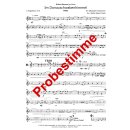
Sebastian Heinzmann komponierte diese Polka für seinen Freund Helmut Hummel. Dieser war viele Jahre Chef von "Helmut Hummel und seine Neue Donauschwäbische Blasmusik“. Das Werk im Grad 3 wurde von Stefan Albert Frank arrangiert.
Enthaltene Stimmen - Großes Blasorchester
Direktion in C
Flöte 1 in C (2x)
Oboe in C (2. Flöte) (2x)
Klarinette in Es
1. Klarinette in B (2x)
2. Klarinette in B (2x)
3. Klarinette in B (2x)
1. Altsaxophon in Es (2x)
2. Altsaxophon in Es (2x)
1. Trompete in B (2x)
2. Trompete in B (2x)
1. Flügelhorn in B (2x)
2. Flügelhorn in B (2x)
1. Tenorhorn / 1. Tenorsaxophon in B (2x)
1. Tenorhorn in C, (2x)
Bariton in B / 2. Tenorsaxophon in B (2x)
Bariton in C (2x)
1. Horn in F/Es (Begleitung)
2. Horn in F/Es (Begleitung)
3. Horn in F/Es (Begleitung)
1. Horn in F/Es (Melodie)
2. Horn in F/Es (Melodie)
1. Posaune in C/B
2. Posaune in C/B
3. Posaune in C/B
1. Tuba in C / Fagott (2x)
Tuba in Es / Baritonsaxophon (2x)
2. Tuba in C (2x)
Tuba in B (Bassklarinette) (2x)
Schlagzeug
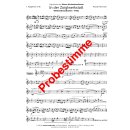
Pascal Führnrohr komponierte diese Polka im Schwierigkeitsgrad 3. Besonders markant ist der erste Teil, der durch die besondere Rhythmik an einen "Boarischen" erinnert. Das kurze und knackige Basssolo leitet zur Reprise des ersten Teils über. Im Trio sind lange, harmonische Phrasen, die nach einem Akkordeon-Solo nochmal im Tutti erklingen. Gewidmet ist diese Komposition den Eslarner Werkstattmusikanten. Wir finden, diese Komposition ist streckenweise keine typische böhmische Polka, was sie für Abwechslung-Suchende zu einer Bereicherung in der Notenmappe macht!
Enthaltene Stimmen - Großes Blasorchester
Direktion in C
Flöte 1 in C (2x)
Oboe in C (2. Flöte) (2x)
Klarinette in Es
1. Klarinette in B (2x)
2. Klarinette in B (2x)
3. Klarinette in B (2x)
1. Altsaxophon in Es (2x)
2. Altsaxophon in Es (2x)
1. Trompete in B (2x)
2. Trompete in B (2x)
1. Flügelhorn in B (2x)
2. Flügelhorn in B (2x)
1. Tenorhorn / 1. Tenorsaxophon in B (2x)
1. Tenorhorn in C, (2x)
Bariton in B / 2. Tenorsaxophon in B (2x)
Bariton in C (2x)
1. Horn in F/Es (Begleitung)
2. Horn in F/Es (Begleitung)
3. Horn in F/Es (Begleitung)
1. Horn in F/Es (Melodie)
2. Horn in F/Es (Melodie)
1. Posaune in C/B
2. Posaune in C/B
3. Posaune in C/B
1. Tuba in C / Fagott (2x)
Tuba in Es / Baritonsaxophon (2x)
2. Tuba in C (2x)
Tuba in B (Bassklarinette) (2x)
Schlagzeug
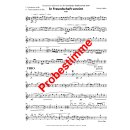
In Freundschaft vereint - eine schmissige Polka im Grad 3 von Sascha Dalke. Sascha ist mittlerweile ein gefragter Komponist unseres Verlags, da seine Kompositionen stets von Abwechslung geprägt aber nie zu abgehoben sind. Auch mit "In Freundschaft vereint" bündelt er geschickt und gekonnt die Töne und Harmonien, sodass ein absolutes Schmankerl entstanden ist. So ist es nicht verwunderlich, dass sowohl beim Da Capo als auch beim Trio Dal Segno das Feuer auf das Publikum überspringt. Sie glauben mir nicht? Hören Sie sich die Demo-Aufnahme an!
Enthaltene Stimmen - Großes Blasorchester
Direktion in C
Flöte 1 in C (2x)
Oboe in C (2. Flöte) (2x)
Klarinette in Es
1. Klarinette in B (2x)
2. Klarinette in B (2x)
3. Klarinette in B (2x)
Bassklarinette in B
1. Altsaxophon in Es (2x)
2. Altsaxophon in Es (2x)
1. Trompete in B (2x)
2. Trompete in B (2x)
1. Flügelhorn in B (2x)
2. Flügelhorn in B (2x)
1. Tenorhorn / 1. Tenorsaxophon in B (2x)
1. Tenorhorn in C, (2x)
Bariton in B / 2. Tenorsaxophon in B (2x)
Bariton in C (2x)
1. Horn in F/Es (Begleitung)
2. Horn in F/Es (Begleitung)
3. Horn in F/Es (Begleitung)
1. Horn in F/Es (Melodie)
2. Horn in F/Es (Melodie)
1. Posaune in C/B
2. Posaune in C/B
3. Posaune in C/B
1. Tuba in C / Fagott (2x)
Tuba in Es / Baritonsaxophon (2x)
2. Tuba in C (2x)
Tuba in B (2x)
Schlagzeug
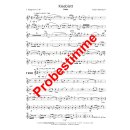
Das vierblättrige Kleeblatt ist ein bekanntes Symbol für Glück. In der freien Natur ist es äußerst selten zu finden, man muss also schon sehr viel Glück haben. Der junge Komponist Stefan Kühndorf komponierte diese Polka und gab ihr den Namen dieser grünen Seltenheit. Die schwungvolle Komposition im Grad 3 beginnt mit einem zackigen ersten Teil und mündet in einen lyrischen zweiten Abschnitt, bevor ein „Da Capo“ den ersten Teil wiederholt. Das Trio-Thema besticht durch außergewöhnliche Harmonien, welches abwechselnd von Flügelhörnern und Tenorhörnern vorgetragen wird. Nach einem prägnanten Basssolo wird das Trio schließlich im Tutti wiederholt. Hier kommen die harmonischen Raffinessen besonders zur Geltung. Wir sind uns einig: Stefan Kühndorf hatte bei dieser Komposition definitiv ein „glückliches Händchen“.
Enthaltene Stimmen - Großes Blasorchester
Direktion in C
Flöte 1 in C (2x)
Oboe in C (2. Flöte) (2x)
Klarinette in Es
1. Klarinette in B (2x)
2. Klarinette in B (2x)
3. Klarinette in B (2x)
1. Altsaxophon in Es (2x)
2. Altsaxophon in Es (2x)
1. Trompete in B (2x)
2. Trompete in B (2x)
1. Flügelhorn in B (2x)
2. Flügelhorn in B (2x)
1. Tenorhorn / 1. Tenorsaxophon in B (2x)
1. Tenorhorn in C, 2x
Bariton in B / 2. Tenorsaxophon in B (2x)
Bariton in C (2x)
1. Horn in F/Es (Begleitung)
2. Horn in F/Es (Begleitung)
3. Horn in F/Es (Begleitung)
1. Horn in F/Es (Melodie)
2. Horn in F/Es (Melodie)
1. Posaune in C/B
2. Posaune in C/B
3. Posaune in C/B
1. Tuba in C / Fagott (2x)
Tuba in Es / Baritonsaxophon (2x)
2. Tuba in C (2x)
Tuba in B (Bassklarinette) (2x)
Schlagzeug
Enthaltene Stimmen - Großes Blasorchester
Direktion in C
Flöte 1 in C (2x)
Oboe in C (2. Flöte) (2x)
Klarinette in Es
1. Klarinette in B (2x)
2. Klarinette in B (2x)
3. Klarinette in B (2x)
1. Altsaxophon in Es (2x)
2. Altsaxophon in Es (2x)
1. Trompete in B (2x)
2. Trompete in B (2x)
1. Flügelhorn in B (2x)
2. Flügelhorn in B (2x)
1. Tenorhorn / 1. Tenorsaxophon in B (2x)
1. Tenorhorn in C (2x)
Bariton in B / 2. Tenorsaxophon in B (2x)
Bariton in C (2x)
1. Horn in F/Es (Begleitung)
2. Horn in F/Es (Begleitung)
3. Horn in F/Es (Begleitung)
1. Horn in F/Es (Melodie)
2. Horn in F/Es (Melodie)
1. Posaune in C/B
2. Posaune in C/B
3. Posaune in C/B
1. Tuba in C / Fagott (2x)
Tuba in Es / Baritonsaxophon (2x)
2. Tuba in C (2x)
Tuba in B (2x)
Schlagzeug
Genau so, wie der Polarstern im Sternbild "Kleiner Wagen" am Hellsten leuchtet, so lässt auch dieser Marsch im Grad 4 ein Konzert im besonderen Licht erstrahlen. Der erste Teil des Marsches ist geprägt durch eine rhythmisch klare Linie, die durch angenehme Nebenmelodien der Tenorhörner untermalt wird und schließlich im Basssolo in einem erhabenen Klanggebilde endet. Das Trio, welches von Tenorhörnern und Klarinetten angeführt wird, mündet in einem zweiten Basssolo. Die Trio-Reprise schließlich zündet ein Feuerwerk der klanglichen Vielfältigkeit. Ineinandergreifende Nebenmelodien von Hölzern und Hörner, welche die Hauptmelodie im hohen Blech aber nie verdecken, runden diese gelungene Komposition ab. Komponiert wurde der Marsch von Sascha Dalke und arrangiert von Franz Gerstbrein.
Enthaltene Stimmen - Großes Blasorchester
Direktion in C
Flöte 1 in C (2x)
Oboe in C (2. Flöte) (2x)
Klarinette in Es
1. Klarinette in B (2x)
2. Klarinette in B (2x)
3. Klarinette in B (2x)
Bassklarinette in B
Fagott in C
1. Altsaxophon in Es (2x)
2. Altsaxophon in Es (2x)
1. Trompete in B (2x)
2. Trompete in B (2x)
1. Flügelhorn in B (2x)
2. Flügelhorn in B (2x)
1. Tenorsaxophon in B (2x)
2. Tenorsaxophon in B (2x)
1. Tenorhorn in B (2x)
1. Tenorhorn in C (2x)
Bariton in B
Bariton in C (2x)
Baritonsaxophon (2x)
1. Horn in F/Es (Begleitung)
2. Horn in F/Es (Begleitung)
3. Horn in F/Es (Begleitung)
4. Horn in F/Es (Begleitung)
1. Horn in F/Es (Melodie)
2. Horn in F/Es (Melodie)
1. Posaune in C/B
2. Posaune in C/B
3. Posaune in C/B
1. Tuba in C (2x)
Tuba in Es (2x)
2. Tuba in C (2x)
Tuba in B (2x)
Schlagzeug (2x)
Becken
Pro meho Bratra - Für meinen Bruder. Diese Polka im Grad 3,5 von Daniel Fischinger wurde von Matthias Rauch für Blasorchester arrangiert.
Enthaltene Stimmen - Großes Blasorchester
Direktion in C
Flöte 1 in C (2x)
Flöte 2 in C (2x)
Oboe in C
Klarinette in Es
1. Klarinette in B (2x)
2. Klarinette in B (2x)
3. Klarinette in B (2x)
1. Altsaxophon in Es (2x)
2. Altsaxophon in Es (2x)
Fagott in C
Bassklarinette in Bb
1. Trompete in B (2x)
2. Trompete in B (2x)
1. Flügelhorn in B (2x)
2. Flügelhorn in B (2x)
1. Tenorhorn / 1. Tenorsaxophon in B (2x)
1. Tenorhorn in C, (2x)
Bariton in B / 2. Tenorsaxophon in B (2x)
Bariton in C (2x)
1. Horn in F/Es (Begleitung)
2. Horn in F/Es (Begleitung)
3. Horn in F/Es (Begleitung)
1. Horn in F/Es (Melodie)
2. Horn in F/Es (Melodie)
1. Posaune in C/B
2. Posaune in C/B
3. Posaune in C/B
1. Tuba in C
Tuba in Es / Baritonsaxophon (2x)
2. Tuba in C (2x)
Tuba in B (2x)
Schlagzeug
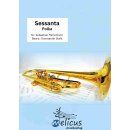
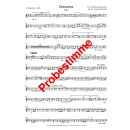
Die "Sessanta Polka" von Sebastian Heinzmann, bearbeitet von Konstantin Stahl, ist eine schwungvolle Polka im Schwierigkeitsgrad 2,5-3. Diese Komposition kombiniert eingängige Melodien mit rhythmischer Präzision und bietet somit ein perfektes Klangerlebnis für das große Blasorchester.
Enthaltene Stimmen
Direktion in C
Flöte 1 in C (2x)
Flöte 2 in C (2x)
Oboe in C
Klarinette in Es
1. Klarinette in B (2x)
2. Klarinette in B (2x)
3. Klarinette in B (2x)
1. Altsaxophon in Es (2x)
2. Altsaxophon in Es (2x)
1. Trompete in B (2x)
2. Trompete in B (2x)
1. Flügelhorn in B (2x)
2. Flügelhorn in B (2x)
1. Tenorhorn / 1. Tenorsaxophon in B (2x)
Bariton in B / 2. Tenorsaxophon in B (2x)
Bariton in C (2x)
1. Horn in F/Es (Begleitung)
2. Horn in F/Es (Begleitung)
3. Horn in F/Es (Begleitung)
1. Horn in F/Es (Melodie)
2. Horn in F/Es (Melodie)
1. Posaune in C/B
2. Posaune in C/B
3. Posaune in C/B
1. Tuba in C / Fagott (2x)
Tuba in Es / Baritonsaxophon (2x)
2. Tuba in C (2x)
Tuba in B / Bassklarinette (2x)
Schlagzeug
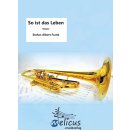
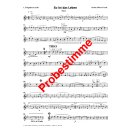
So ist das Leben - ein neuer Walzer von Stefan Albert Frank. Dieser Walzer im Grad 2,5 beginnt mit einem in Moll gehaltenen ersten Teil, gefolgt von einem fröhlichen Trio. Im zweiten Trio Teil solieren die Hölzer, bevor es ein im tutti gehaltenes Trio dal Segno gibt.
Enthaltene Stimmen - Großes Blasorchester
Direktion in C
Flöte 1 in C (2x)
Oboe in C (2. Flöte) (2x)
Klarinette in Es
1. Klarinette in B (2x)
2. Klarinette in B (2x)
3. Klarinette in B (2x)
1. Altsaxophon in Es (2x)
2. Altsaxophon in Es (2x)
1. Trompete in B (2x)
2. Trompete in B (2x)
1. Flügelhorn in B (2x)
2. Flügelhorn in B (2x)
1. Tenorhorn / 1. Tenorsaxophon in B (2x)
1. Tenorhorn in C, 2x
Bariton in B / 2. Tenorsaxophon in B (2x)
Bariton in C (2x)
1. Horn in F/Es (Begleitung)
2. Horn in F/Es (Begleitung)
3. Horn in F/Es (Begleitung)
1. Horn in F/Es (Melodie)
2. Horn in F/Es (Melodie)
1. Posaune in C/B
2. Posaune in C/B
3. Posaune in C/B
1. Tuba in C / Fagott (2x)
Tuba in Es / Baritonsaxophon (2x)
2. Tuba in C (2x)
Tuba in B (Bassklarinette) (2x)
Schlagzeug