Noten
Notenmaterial
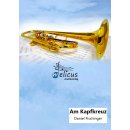
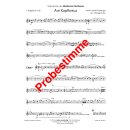
Am Kapfkreuz, eine Polka von Daniel Fischinger. Das Arrangement erstellte Michael Kuhn. Schwierigkeitsgrad 3
Enthaltene Stimmen - Großes Blasorchester
Direktion in C
Flöte 1 in C (2x)
Flöte 2 in C (2x)
Oboe in C
Klarinette in Es
1. Klarinette in B (2x)
2. Klarinette in B (2x)
3. Klarinette in B (2x)
Bassklarinette in B
1. Altsaxophon in Es (2x)
2. Altsaxophon in Es (2x)
1. Trompete in B (2x)
2. Trompete in B (2x)
1. Flügelhorn in B (2x)
2. Flügelhorn in B (2x)
1. Tenorhorn / 1. Tenorsaxophon in B (2x)
(1. Tenorhorn in C, 2x)
Bariton in B / 2. Tenorsaxophon in B (2x)
Bariton in C (2x)
1. Horn in F/Es (Begleitung)
2. Horn in F/Es (Begleitung)
3. Horn in F/Es (Begleitung)
1. Horn in F/Es (Melodie)
2. Horn in F/Es (Melodie)
1. Posaune in C/B
2. Posaune in C/B
3. Posaune in C/B
1. Tuba in C / Fagott (2x)
Tuba in Es / Baritonsaxophon (2x)
2. Tuba in C (2x)
Tuba in B (2x)
Schlagzeug
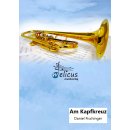
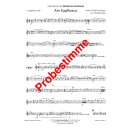
Am Kapfkreuz, eine Polka von Daniel Fischinger. Das Arrangement erstellte Michael Kuhn. Schwierigkeitsgrad 3
Enthaltene Stimmen - Böhmische Besetzung
Direktion in C
Klarinette in Es
1. Klarinette in B
2. Klarinette in B
3. Klarinette in B
1. Trompete in B
2. Trompete in B
1. Flügelhorn in B (2x)
2. Flügelhorn in B (2x)
1. Tenorhorn / 1. Tenorsaxophon in B (2x)
(1. Tenorhorn in C, 2x)
Bariton in B/C (2x)
1. Posaune in C/B
2. Posaune in C/B
3. Posaune in C/B
1. Tuba in C / Fagott (2x)
Tuba in Es / Baritonsaxophon (2x)
2. Tuba in C (2x)
Tuba in B (2x)
Schlagzeug
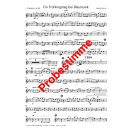
Ein Frühlingstag bei Blasmusik ist eine junge und frische Polka vom jungen Komponisten Jannik Herzer. Jannik ist Teilnehmer der melicus.akademie und hat diese Polka im Schwierigkeitsgrad 3 während des Kompositionsunterrichts geschrieben.
Enthaltene Stimmen
Direktion in C
Flöte 1 in C (2x)
Flöte 2 in C (2x)
Oboe in C
Klarinette in Es
1. Klarinette in B (2x)
2. Klarinette in B (2x)
3. Klarinette in B (2x)
1. Altsaxophon in Es (2x)
2. Altsaxophon in Es (2x)
1. Trompete in B (2x)
2. Trompete in B (2x)
1. Flügelhorn in B (2x)
2. Flügelhorn in B (2x)
1. Tenorhorn / 1. Tenorsaxophon in B (2x)
Bariton in B / 2. Tenorsaxophon in B (2x)
Bariton in C (2x)
1. Horn in F/Es (Begleitung)
2. Horn in F/Es (Begleitung)
3. Horn in F/Es (Begleitung)
1. Horn in F/Es (Melodie)
2. Horn in F/Es (Melodie)
1. Posaune in C/B
2. Posaune in C/B
3. Posaune in C/B
1. Tuba in C / Fagott (2x)
Tuba in Es / Baritonsaxophon (2x)
2. Tuba in C (2x)
Tuba in B / Bassklarinette (2x)
Schlagzeug
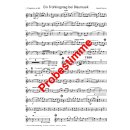
Ein Frühlingstag bei Blasmusik ist eine junge und frische Polka vom jungen Komponisten Jannik Herzer. Jannik ist Teilnehmer der melicus.akademie und hat diese Polka im Schwierigkeitsgrad 3 während des Kompositionsunterrichts geschrieben.
Enthaltene Stimmen
Direktion in C
Klarinette in Es
1. Klarinette in B
2. Klarinette in B
3. Klarinette in B
1. Trompete in B
2. Trompete in B
1. Flügelhorn in B (2x)
2. Flügelhorn in B (2x)
1. Tenorhorn in B (2x)
1. Tenorhorn in C (2x)
Bariton in B/C (2x)
1. Posaune in C/B
2. Posaune in C/B
3. Posaune in C/B
1. Tuba in C / Fagott
Tuba in Es
2. Tuba in C
Tuba in B
Schlagzeug
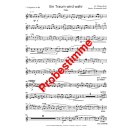
"Ein Traum wird wahr" ist eine Polka von Philipp Roth, die Bearbeitung dazu schrieb Konstantin Stahl. Diese Komposition im Grad 3 läd wahrhaftig zum Träumen ein. Getragene Melodien und solistisch geführte Klarinetten und Posaunen vollenden diese Polka. Nicht zu schnell und sehr gefühlvoll gespielt, wird diese Polka schon beim da Capo des ersten Teils die Zuhörer mitreißen.
Enthaltene Stimmen
Direktion in C
Flöte 1 in C (2x)
Flöte 2 in C (2x)
Oboe in C
Klarinette in Es
1. Klarinette in B (2x)
2. Klarinette in B (2x)
3. Klarinette in B (2x)
1. Altsaxophon in Es (2x)
2. Altsaxophon in Es (2x)
1. Trompete in B (2x)
2. Trompete in B (2x)
1. Flügelhorn in B (2x)
2. Flügelhorn in B (2x)
1. Tenorhorn / 1. Tenorsaxophon in B (2x)
Bariton in B / 2. Tenorsaxophon in B (2x)
Bariton in C (2x)
1. Horn in F/Es (Begleitung)
2. Horn in F/Es (Begleitung)
3. Horn in F/Es (Begleitung)
1. Horn in F/Es (Melodie)
2. Horn in F/Es (Melodie)
1. Posaune in C/B
2. Posaune in C/B
3. Posaune in C/B
1. Tuba in C / Fagott (2x)
Tuba in Es / Baritonsaxophon (2x)
2. Tuba in C (2x)
Tuba in B / Bassklarinette (2x)
Schlagzeug
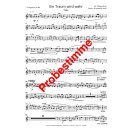
"Ein Traum wird wahr" ist eine Polka von Philipp Roth, die Bearbeitung dazu schrieb Konstantin Stahl. Diese Komposition im Grad 3 läd wahrhaftig zum Träumen ein. Getragene Melodien und solistisch geführte Klarinetten und Posaunen vollenden diese Polka. Nicht zu schnell und sehr gefühlvoll gespielt, wird diese Polka schon beim da Capo des ersten Teils die Zuhörer mitreißen.
Enthaltene Stimmen
Direktion in C
Klarinette in Es
1. Klarinette in B
2. Klarinette in B
3. Klarinette in B
1. Trompete in B
2. Trompete in B
1. Flügelhorn in B (2x)
2. Flügelhorn in B (2x)
1. Tenorhorn in B (2x)
1. Tenorhorn in C (2x)
Bariton in B/C (2x)
1. Posaune in C/B
2. Posaune in C/B
3. Posaune in C/B
1. Tuba in C / Fagott
Tuba in Es
2. Tuba in C
Tuba in B
Schlagzeug
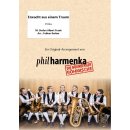
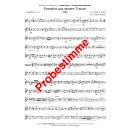
Erwacht aus einem Traum, eine böhmische Polka von Stefan A. Frank. Dieses Werk im Grad 3 beginnt mit einer langsamen Kadenz, gefolgt von typisch Polka-Elementen. Durch die besonders markanten Sequenzen im Trio, hat diese Polka durchaus Konzertcharakter. Fabian Kerber, der Tenorhornist und Leiter der Formation "Philharmenka - Die Nürnberg Böhmische", hat die Blasorchester-Version (-hier erhältlich-) perfekt für kleine Besetzung arrangiert.
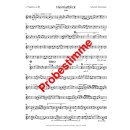
Die Polka "Heimatblick" von Sebastian Heinzmann im Schwierigkeitsgrad 3 ist im Rahmen des Kompositionsunterrichts der melicus.akademie entstanden.
Enthaltene Stimmen
Direktion in C
Flöte 1 in C (2x)
Flöte 2 in C (2x)
Oboe in C
Klarinette in Es
1. Klarinette in B (2x)
2. Klarinette in B (2x)
3. Klarinette in B (2x)
1. Altsaxophon in Es (2x)
2. Altsaxophon in Es (2x)
1. Trompete in B (2x)
2. Trompete in B (2x)
1. Flügelhorn in B (2x)
2. Flügelhorn in B (2x)
1. Tenorhorn / 1. Tenorsaxophon in B (2x)
Bariton in B / 2. Tenorsaxophon in B (2x)
Bariton in C (2x)
1. Horn in F/Es (Begleitung)
2. Horn in F/Es (Begleitung)
3. Horn in F/Es (Begleitung)
1. Horn in F/Es (Melodie)
2. Horn in F/Es (Melodie)
1. Posaune in C/B
2. Posaune in C/B
3. Posaune in C/B
1. Tuba in C / Fagott (2x)
Tuba in Es / Baritonsaxophon (2x)
2. Tuba in C (2x)
Tuba in B / Bassklarinette (2x)
Schlagzeug
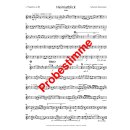
Die Polka "Heimatblick" von Sebastian Heinzmann im Schwierigkeitsgrad 3 ist im Rahmen des Kompositionsunterrichts der melicus.akademie entstanden.
Enthaltene Stimmen
Direktion in C
Klarinette in Es
1. Klarinette in B
2. Klarinette in B
3. Klarinette in B
1. Trompete in B
2. Trompete in B
1. Flügelhorn in B (2x)
2. Flügelhorn in B (2x)
1. Tenorhorn in B (2x)
1. Tenorhorn in C (2x)
Bariton in B/C (2x)
1. Posaune in C/B
2. Posaune in C/B
3. Posaune in C/B
1. Tuba in C / Fagott
Tuba in Es
2. Tuba in C
Tuba in B
Schlagzeug
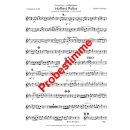
Die Hoffest Polka von Daniel Fischinger wurde der Familie Hofer aus Unterrussenried gewidmet. Die Polka im Grad 3 ist im Repertoire der Formation "BlechXpress"
Enthaltene Stimmen
Direktion in C
Flöte 1 in C (2x)
Flöte 2 in C (2x)
Oboe in C
Klarinette in Es
1. Klarinette in B (2x)
2. Klarinette in B (2x)
3. Klarinette in B (2x)
1. Altsaxophon in Es (2x)
2. Altsaxophon in Es (2x)
1. Trompete in B (2x)
2. Trompete in B (2x)
1. Flügelhorn in B (2x)
2. Flügelhorn in B (2x)
1. Tenorhorn / 1. Tenorsaxophon in B (2x)
Bariton in B / 2. Tenorsaxophon in B (2x)
Bariton in C (2x)
1. Horn in F/Es (Begleitung)
2. Horn in F/Es (Begleitung)
3. Horn in F/Es (Begleitung)
1. Horn in F/Es (Melodie)
2. Horn in F/Es (Melodie)
1. Posaune in C/B
2. Posaune in C/B
3. Posaune in C/B
1. Tuba in C / Fagott (2x)
Tuba in Es / Baritonsaxophon (2x)
2. Tuba in C (2x)
Tuba in B / Bassklarinette (2x)
Schlagzeug

Die Hoffest Polka von Daniel Fischinger wurde der Familie Hofer aus Unterrussenried gewidmet. Die Polka im Grad 3 ist im Repertoire der Formation "BlechXpress"
Enthaltene Stimmen
Direktion in C
Klarinette in Es
1. Klarinette in B
2. Klarinette in B
3. Klarinette in B
1. Trompete in B
2. Trompete in B
1. Flügelhorn in B (2x)
2. Flügelhorn in B (2x)
1. Tenorhorn in B (2x)
1. Tenorhorn in C (2x)
Bariton in B/C (2x)
1. Posaune in C/B
2. Posaune in C/B
3. Posaune in C/B
1. Tuba in C / Fagott
Tuba in Es
2. Tuba in C
Tuba in B
Schlagzeug
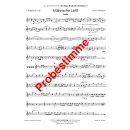
Mährische Löffl, eine Polka im mährischen Stil von Daniel Käsbauer. Die Komposition im Grad 3 sollte nicht zu langsam gespielt werden. Tenor- und Flügelhörner wechseln sich bei den Melodie-Themen jeweils ab und optional kann im Trio "gelöffelt" werden.
Enthaltene Stimmen - Großes Blasorchester
Direktion in C
Flöte 1 in C (2x)
Flöte 2 in C (2x)
Oboe in C
Klarinette in Es
1. Klarinette in B (2x)
2. Klarinette in B (2x)
3. Klarinette in B (2x)
Bassklarinette in B
1. Altsaxophon in Es (2x)
2. Altsaxophon in Es (2x)
1. Trompete in B (2x)
2. Trompete in B (2x)
1. Flügelhorn in B (2x)
2. Flügelhorn in B (2x)
1. Tenorhorn / 1. Tenorsaxophon in B (2x)
(1. Tenorhorn in C, 2x)
Bariton in B / 2. Tenorsaxophon in B (2x)
Bariton in C (2x)
1. Horn in F/Es (Begleitung)
2. Horn in F/Es (Begleitung)
3. Horn in F/Es (Begleitung)
1. Horn in F/Es (Melodie)
2. Horn in F/Es (Melodie)
1. Posaune in C/B
2. Posaune in C/B
3. Posaune in C/B
1. Tuba in C / Fagott (2x)
Tuba in Es / Baritonsaxophon (2x)
2. Tuba in C (2x)
Tuba in B (2x)
Schlagzeug
Mährische Löffl, eine Polka im mährischen Stil von Daniel Käsbauer. Die Komposition im Grad 3 sollte nicht zu langsam gespielt werden. Tenor- und Flügelhörner wechseln sich bei den Melodie-Themen jeweils ab und optional kann im Trio "gelöffelt" werden.
Enthaltene Stimmen - Böhmische Besetzung
Direktion in C
Klarinette in Es
1. Klarinette in B
2. Klarinette in B
3. Klarinette in B
1. Trompete in B
2. Trompete in B
1. Flügelhorn in B (2x)
2. Flügelhorn in B (2x)
1. Tenorhorn / 1. Tenorsaxophon in B (2x)
(1. Tenorhorn in C, 2x)
Bariton in B/C (2x)
1. Posaune in C/B
2. Posaune in C/B
3. Posaune in C/B
1. Tuba in C / Fagott (2x)
Tuba in Es / Baritonsaxophon (2x)
2. Tuba in C (2x)
Tuba in B (2x)
Schlagzeug
Mit seiner filmmusikalisch angehauchten Einleitung und seinen ausdrucksstarken Melodien geht der Konzertmarsch „Marsa Alam" sofort ins Ohr! Das Werk aus der Feder von Jonas Bäumler gibt es ab sofort auch für kleine Besetzung! In Sinne der „Edition Hochdruck Böhmische“ wurde der Marsch speziell an diese Besetzungsform angepasst: Durch mehr Nebenmelodien und einen höheren Grad an Virtuosität wirkt der Marsch in der kleinen Besetzung noch energetischer! Dieser Notensatz ist nur als Download-Ausgabe erhältlich.
Enthaltene Stimmen
Direktion in C
Trompete in Bb
1. Flügelhorn in Bb
2. Flügelhorn in Bb
Tenorhorn in Bb/C
Bariton in Bb/C
Tuba in C/Es/Bb
Schlagzeug

Musikantenheimat - Marsch von Philipp Roth, Bearbeitung Stefan A. Frank
Enthaltene Stimmen - Blech & (Balg)
Akkordeon in C (Direktion)
Trompete in B
1. Flügelhorn in B
2. Flügelhorn in B
Tenorhorn in B/C
Bariton in B/C
Tuba in C/B/Eb
Schlagzeug
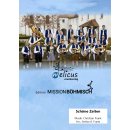
"Schöne Zeiten" ist eine schmissige Polka, die von Christian Frank komponiert und von Stefan A. Frank arrangiert wurde. Abwechslungsreiche Phrasen, die sowohl von den Flügelhörnern als auch von den Tenorhörner gespielt werden, machen das Werk zu einem absoluten Energiebündel. Auch bei dieser Polka kommen die Klarinetten nicht zu kurz: Staccato- und Legato-Phrasen runden diese gelungene Komposition im Grad 3 ab.
Enthaltene Stimmen - Großes Blasorchester
Direktion in C
Flöte 1 in C (2x)
Flöte 2 in C (2x)
Oboe in C
Klarinette in Es
1. Klarinette in B (2x)
2. Klarinette in B (2x)
3. Klarinette in B (2x)
Bassklarinette in B
1. Altsaxophon in Es (2x)
2. Altsaxophon in Es (2x)
1. Trompete in B (2x)
2. Trompete in B (2x)
1. Flügelhorn in B (2x)
2. Flügelhorn in B (2x)
1. Tenorhorn / 1. Tenorsaxophon in B (2x)
(1. Tenorhorn in C, 2x)
Bariton in B / 2. Tenorsaxophon in B (2x)
Bariton in C (2x)
1. Horn in F/Es (Begleitung)
2. Horn in F/Es (Begleitung)
3. Horn in F/Es (Begleitung)
1. Horn in F/Es (Melodie)
2. Horn in F/Es (Melodie)
1. Posaune in C/B
2. Posaune in C/B
3. Posaune in C/B
1. Tuba in C / Fagott (2x)
Tuba in Es / Baritonsaxophon (2x)
2. Tuba in C (2x)
Tuba in B (2x)
Schlagzeug
"Schöne Zeiten" ist eine schmissige Polka, die von Christian Frank komponiert und von Stefan A. Frank arrangiert wurde. Abwechslungsreiche Phrasen, die sowohl von den Flügelhörnern als auch von den Tenorhörner gespielt werden, machen das Werk zu einem absoluten Energiebündel. Auch bei dieser Polka kommen die Klarinetten nicht zu kurz: Staccato- und Legato-Phrasen runden diese gelungene Komposition im Grad 3 ab.
Enthaltene Stimmen - Böhmische Besetzung
Direktion in C
Klarinette in Es
1. Klarinette in B
2. Klarinette in B
3. Klarinette in B
1. Trompete in B
2. Trompete in B
1. Flügelhorn in B (2x)
2. Flügelhorn in B (2x)
1. Tenorhorn / 1. Tenorsaxophon in B (2x)
(1. Tenorhorn in C, 2x)
Bariton in B/C (2x)
1. Posaune in C/B
2. Posaune in C/B
3. Posaune in C/B
1. Tuba in C / Fagott (2x)
Tuba in Es / Baritonsaxophon (2x)
2. Tuba in C (2x)
Tuba in B (2x)
Schlagzeug

The Wayfaring Stranger, ein amerikanischer Gospel-Song wurde vor allem durch den legendären Johnny Cash bekannt. Matthias Joos hat diesen Volksong für kleine Besetzung (Schwierigkeitsgrad 3) bearbeitet. Nach einer getragenen Einleitung übernimmt das Solo-Bariton, bevor im Reggae-Rhythmus die Solistin oder der Solist improvisionierend auftritt. Dieses Impro-Solo ist ausnotiert, kann aber gerne durch eine eigene Darbietung bereichert werden.
Enthaltene Stimmen - Blech & (Balg)
Akkordeon in C (Direktion)
1. Trompete in B
2. Trompete in B
1. Flügelhorn in B
2. Flügelhorn in B
Tenorhorn in B/C
Bariton in B/C
Tuba in C/B/Eb
Schlagzeug