Noten
Notenmaterial
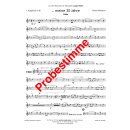
... meine 30 Jahre - eine flotte Polka im Grad 3,5 von Daniel Käsbauer. Melodische Phrasen und zackige Flügelhorn-Melodien verleihen der Polka enorme Schubkraft. Komponiert wurde die Polka als Geburtstagsgeschenk.
Enthaltene Stimmen - Großes Blasorchester
Direktion in C
Flöte 1 in C (2x)
Flöte 2 in C (2x)
Oboe in C
Klarinette in Es
1. Klarinette in B (2x)
2. Klarinette in B (2x)
3. Klarinette in B (2x)
Bassklarinette in B
1. Altsaxophon in Es (2x)
2. Altsaxophon in Es (2x)
1. Trompete in B (2x)
2. Trompete in B (2x)
1. Flügelhorn in B (2x)
2. Flügelhorn in B (2x)
1. Tenorhorn / 1. Tenorsaxophon in B (2x)
Bariton in B / 2. Tenorsaxophon in B (2x)
Bariton in C (2x)
1. Horn in F/Es (Begleitung)
2. Horn in F/Es (Begleitung)
3. Horn in F/Es (Begleitung)
1. Horn in F/Es (Melodie)
2. Horn in F/Es (Melodie)
1. Posaune in C/B
2. Posaune in C/B
3. Posaune in C/B
1. Tuba in C / Fagott (2x)
Tuba in Es / Baritonsaxophon (2x)
2. Tuba in C (2x)
Tuba in B /Bassklarinette (2x)
Schlagzeug
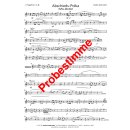
Die Abschieds-Polka von Stefan Kühndorf ist einem ehemaligen Musiker-Kollegen Kühndorfs gewidmet, der seine aktive Zeit beim Musikverein nach vielen Jahren beendet hat. Die Polka im Grad 3 beginnt mit einem gemütlichen ersten Teil, der nach einem melodiösen zweiten Teil wiederholt wird. Im Trio übernehmen zunächst das Tenorhorn / Bariton die Melodie. Nach einem kurzen Basssolo wiederholt sich das Trio im Tutti.
Enthaltene Stimmen - Großes Blasorchester
Direktion in C
Flöte 1 in C (2x)
Oboe in C (2. Flöte) (2x)
Klarinette in Es
1. Klarinette in B (2x)
2. Klarinette in B (2x)
3. Klarinette in B (2x)
Bassklarinette in B
1. Altsaxophon in Es (2x)
2. Altsaxophon in Es (2x)
1. Trompete in B (2x)
2. Trompete in B (2x)
1. Flügelhorn in B (2x)
2. Flügelhorn in B (2x)
1. Tenorhorn / 1. Tenorsaxophon in B (2x)
1. Tenorhorn in C, (2x)
Bariton in B / 2. Tenorsaxophon in B (2x)
Bariton in C (2x)
1. Horn in F/Es (Begleitung)
2. Horn in F/Es (Begleitung)
3. Horn in F/Es (Begleitung)
1. Horn in F/Es (Melodie)
2. Horn in F/Es (Melodie)
1. Posaune in C/B
2. Posaune in C/B
3. Posaune in C/B
1. Tuba in C / Fagott (2x)
Tuba in Es / Baritonsaxophon (2x)
2. Tuba in C (2x)
Tuba in B (2x)
Schlagzeug
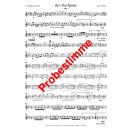
Am Dorfplatz - eine Polka von Josef Thums.
Enthaltene Stimmen - Großes Blasorchester
Direktion in C
Flöte 1 in C (2x)
Oboe in C (2. Flöte) (2x)
Klarinette in Es
1. Klarinette in B (2x)
2. Klarinette in B (2x)
3. Klarinette in B (2x)
1. Altsaxophon in Es (2x)
2. Altsaxophon in Es (2x)
1. Trompete in B (2x)
2. Trompete in B (2x)
1. Flügelhorn in B (2x)
2. Flügelhorn in B (2x)
1. Tenorhorn / 1. Tenorsaxophon in B (2x)
1. Tenorhorn in C, (2x)
Bariton in B / 2. Tenorsaxophon in B (2x)
Bariton in C (2x)
1. Horn in F/Es (Begleitung)
2. Horn in F/Es (Begleitung)
3. Horn in F/Es (Begleitung)
1. Horn in F/Es (Melodie)
2. Horn in F/Es (Melodie)
1. Posaune in C/B
2. Posaune in C/B
3. Posaune in C/B
1. Tuba in C / Fagott (2x)
Tuba in Es / Baritonsaxophon (2x)
2. Tuba in C (2x)
Tuba in B (Bassklarinette) (2x)
Schlagzeug
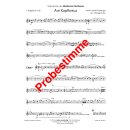
Am Kapfkreuz, eine Polka von Daniel Fischinger. Das Arrangement erstellte Michael Kuhn. Schwierigkeitsgrad 3
Enthaltene Stimmen - Großes Blasorchester
Direktion in C
Flöte 1 in C (2x)
Flöte 2 in C (2x)
Oboe in C
Klarinette in Es
1. Klarinette in B (2x)
2. Klarinette in B (2x)
3. Klarinette in B (2x)
Bassklarinette in B
1. Altsaxophon in Es (2x)
2. Altsaxophon in Es (2x)
1. Trompete in B (2x)
2. Trompete in B (2x)
1. Flügelhorn in B (2x)
2. Flügelhorn in B (2x)
1. Tenorhorn / 1. Tenorsaxophon in B (2x)
(1. Tenorhorn in C, 2x)
Bariton in B / 2. Tenorsaxophon in B (2x)
Bariton in C (2x)
1. Horn in F/Es (Begleitung)
2. Horn in F/Es (Begleitung)
3. Horn in F/Es (Begleitung)
1. Horn in F/Es (Melodie)
2. Horn in F/Es (Melodie)
1. Posaune in C/B
2. Posaune in C/B
3. Posaune in C/B
1. Tuba in C / Fagott (2x)
Tuba in Es / Baritonsaxophon (2x)
2. Tuba in C (2x)
Tuba in B (2x)
Schlagzeug
Die 12 Pilsner - eine Polka von Josef Thums. Der aus Böhmen kommende Musiker und Komponist gibt mit dieser Polka seinen Einstand beim melicus.musikverlag. Das Werk im Grad 3 ist der gleichnamigen Musikformation aus der tschechischen Stadt Pilsen gewidmet. Unverkennbar ist der gemütliche Stil von Josef Thums, der sich wie ein roter Faden durch seine Kompositionen zieht.
Enthaltene Stimmen - Großes Blasorchester
Direktion in C
Flöte 1 in C (2x)
Oboe in C (2. Flöte) (2x)
Klarinette in Es
1. Klarinette in B (2x)
2. Klarinette in B (2x)
3. Klarinette in B (2x)
Bassklarinette in B
1. Altsaxophon in Es (2x)
2. Altsaxophon in Es (2x)
1. Trompete in B (2x)
2. Trompete in B (2x)
1. Flügelhorn in B (2x)
2. Flügelhorn in B (2x)
1. Tenorhorn / 1. Tenorsaxophon in B (2x)
1. Tenorhorn in C, (2x)
Bariton in B / 2. Tenorsaxophon in B (2x)
Bariton in C (2x)
1. Horn in F/Es (Begleitung)
2. Horn in F/Es (Begleitung)
3. Horn in F/Es (Begleitung)
1. Horn in F/Es (Melodie)
2. Horn in F/Es (Melodie)
1. Posaune in C/B
2. Posaune in C/B
3. Posaune in C/B
1. Tuba in C / Fagott (2x)
Tuba in Es / Baritonsaxophon (2x)
2. Tuba in C (2x)
Tuba in B (2x)
Schlagzeug
"Ein Traum wird wahr" ist eine Polka von Philipp Roth, die Bearbeitung dazu schrieb Konstantin Stahl. Diese Komposition im Grad 3 läd wahrhaftig zum Träumen ein. Getragene Melodien und solistisch geführte Klarinetten und Posaunen vollenden diese Polka. Nicht zu schnell und sehr gefühlvoll gespielt, wird diese Polka schon beim da Capo des ersten Teils die Zuhörer mitreißen.
Enthaltene Stimmen
Direktion in C
Flöte 1 in C (2x)
Flöte 2 in C (2x)
Oboe in C
Klarinette in Es
1. Klarinette in B (2x)
2. Klarinette in B (2x)
3. Klarinette in B (2x)
1. Altsaxophon in Es (2x)
2. Altsaxophon in Es (2x)
1. Trompete in B (2x)
2. Trompete in B (2x)
1. Flügelhorn in B (2x)
2. Flügelhorn in B (2x)
1. Tenorhorn / 1. Tenorsaxophon in B (2x)
Bariton in B / 2. Tenorsaxophon in B (2x)
Bariton in C (2x)
1. Horn in F/Es (Begleitung)
2. Horn in F/Es (Begleitung)
3. Horn in F/Es (Begleitung)
1. Horn in F/Es (Melodie)
2. Horn in F/Es (Melodie)
1. Posaune in C/B
2. Posaune in C/B
3. Posaune in C/B
1. Tuba in C / Fagott (2x)
Tuba in Es / Baritonsaxophon (2x)
2. Tuba in C (2x)
Tuba in B / Bassklarinette (2x)
Schlagzeug
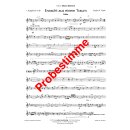
Erwacht aus einem Traum, eine Polka von Stefan A. Frank. Dieses Werk im Grad 2,5 beginnt mit einer langsamen Kadenz, gefolgt von typisch böhmischen Polka-Elementen. Durch die besonders markanten Sequenzen im Trio, hat diese Polka durchaus Konzertcharakter.
Enthaltene Stimmen - Großes Blasorchester
Direktion in C
Flöte 1 in C (2x)
Flöte 2 in C (2x)
Oboe in C
Klarinette in Es
1. Klarinette in B (2x)
2. Klarinette in B (2x)
3. Klarinette in B (2x)
Bassklarinette in B
1. Altsaxophon in Es (2x)
2. Altsaxophon in Es (2x)
1. Trompete in B (2x)
2. Trompete in B (2x)
1. Flügelhorn in B (2x)
2. Flügelhorn in B (2x)
1. Tenorhorn / 1. Tenorsaxophon in B (2x)
(1. Tenorhorn in C, 2x)
Bariton in B / 2. Tenorsaxophon in B (2x)
Bariton in C (2x)
1. Horn in F/Es (Begleitung)
2. Horn in F/Es (Begleitung)
3. Horn in F/Es (Begleitung)
1. Horn in F/Es (Melodie)
2. Horn in F/Es (Melodie)
1. Posaune in C/B
2. Posaune in C/B
3. Posaune in C/B
1. Tuba in C / Fagott (2x)
Tuba in Es / Baritonsaxophon (2x)
2. Tuba in C (2x)
Tuba in B (2x)
Schlagzeug
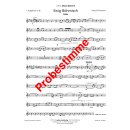
Ewig Böhmisch, eine böhmische Polka von Pascal Führnrohr im Grad 2. Die einfache, aber dennoch eingängige Melodie wird sowohl von den Flügelhörnern als auch von den Tenorhörnern übernommen. Spätestens das im Tutti gehaltenen Finale reißt jeden Ihrer Zuhörer mit. Blasmusik vom Feinsten!
Enthaltene Stimmen - Großes Blasorchester
Direktion in C
Flöte 1 in C (2x)
Flöte 2 in C (2x)
Oboe in C
Klarinette in Es
1. Klarinette in B (2x)
2. Klarinette in B (2x)
3. Klarinette in B (2x)
Bassklarinette in B
1. Altsaxophon in Es (2x)
2. Altsaxophon in Es (2x)
1. Trompete in B (2x)
2. Trompete in B (2x)
1. Flügelhorn in B (2x)
2. Flügelhorn in B (2x)
1. Tenorhorn / 1. Tenorsaxophon in B (2x)
Bariton in B / 2. Tenorsaxophon in B (2x)
Bariton in C (2x)
1. Horn in F/Es (Begleitung)
2. Horn in F/Es (Begleitung)
3. Horn in F/Es (Begleitung)
1. Horn in F/Es (Melodie)
2. Horn in F/Es (Melodie)
1. Posaune in C/B
2. Posaune in C/B
3. Posaune in C/B
1. Tuba in C / Fagott (2x)
Tuba in Es / Baritonsaxophon (2x)
2. Tuba in C (2x)
Tuba in B /Bassklarinette (2x)
Schlagzeug
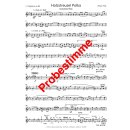
Hackschnitzel werden umgangssprachlich auch Holzstreusel genannt und wenn man sich die Komposition anhört, muss man nicht lange überlegen, welche Brücke man mit diesem Namen zum Werk schlagen kann: Energie! Die Polka im Grad 2,5-3 ist ein wahres Energiebündel und sollte auch nicht zu langsam gespielt werden.
✅ Als gedruckte oder Download-Ausgabe erhältlich.
✅ Für kleine Besetzung, Böhmische Besetzung Blasorchester
✅ Optimal für Festzelt und Konzert
Enthaltene Stimmen - Großes Blasorchester
Direktion in C
Flöte 1 in C (2x)
Oboe in C (2. Flöte) (2x)
Klarinette in Es
1. Klarinette in B (2x)
2. Klarinette in B (2x)
3. Klarinette in B (2x)
1. Altsaxophon in Es (2x)
2. Altsaxophon in Es (2x)
1. Trompete in B (2x)
2. Trompete in B (2x)
1. Flügelhorn in B (2x)
2. Flügelhorn in B (2x)
1. Tenorhorn / 1. Tenorsaxophon in B (2x)
1. Tenorhorn in C, (2x)
Bariton in B / 2. Tenorsaxophon in B (2x)
Bariton in C (2x)
1. Horn in F/Es (Begleitung)
2. Horn in F/Es (Begleitung)
3. Horn in F/Es (Begleitung)
1. Horn in F/Es (Melodie)
2. Horn in F/Es (Melodie)
1. Posaune in C/B
2. Posaune in C/B
3. Posaune in C/B
1. Tuba in C / Fagott (2x)
Tuba in Es / Baritonsaxophon (2x)
2. Tuba in C (2x)
Tuba in B (Bassklarinette) (2x)
Schlagzeug
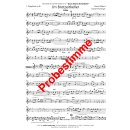
Im Brotzeitkeller - eine Polka von Daniel Hilbert und Daniel Fischinger. Gewidmet ist dieses Werk Tobias Hetterich von "Bauer Roberts Brotzeitkeller"
Enthaltene Stimmen - Großes Blasorchester
Direktion in C
Flöte 1 in C (2x)
Oboe in C (2. Flöte) (2x)
Klarinette in Es
1. Klarinette in B (2x)
2. Klarinette in B (2x)
3. Klarinette in B (2x)
Bassklarinette in B
1. Altsaxophon in Es (2x)
2. Altsaxophon in Es (2x)
1. Trompete in B (2x)
2. Trompete in B (2x)
1. Flügelhorn in B (2x)
2. Flügelhorn in B (2x)
1. Tenorhorn / 1. Tenorsaxophon in B (2x)
1. Tenorhorn in C, (2x)
Bariton in B / 2. Tenorsaxophon in B (2x)
Bariton in C (2x)
1. Horn in F/Es (Begleitung)
2. Horn in F/Es (Begleitung)
3. Horn in F/Es (Begleitung)
1. Horn in F/Es (Melodie)
2. Horn in F/Es (Melodie)
1. Posaune in C/B
2. Posaune in C/B
3. Posaune in C/B
1. Tuba in C / Fagott (2x)
Tuba in Es / Baritonsaxophon (2x)
2. Tuba in C (2x)
Tuba in B (2x)
Schlagzeug
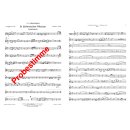
In böhmischer Mission, ein Konzertmarsch von Stefan Albert Frank im Grad 3-3,5. Schmissige Flügelhörner im ersten Teil, untermalt von weichen Tenorhörnern gipfeln in ein melodiöses Trio.
Enthaltene Stimmen - Großes Blasorchester
Direktion in C
Flöte 1 in C (2x)
Flöte 2 in C (2x)
Oboe in C
Klarinette in Es
1. Klarinette in B (2x)
2. Klarinette in B (2x)
3. Klarinette in B (2x)
Bassklarinette in B
1. Altsaxophon in Es (2x)
2. Altsaxophon in Es (2x)
1. Trompete in B (2x)
2. Trompete in B (2x)
1. Flügelhorn in B (2x)
2. Flügelhorn in B (2x)
1. Tenorhorn / 1. Tenorsaxophon in B (2x)
Bariton in B / 2. Tenorsaxophon in B (2x)
Bariton in C (2x)
1. Horn in F/Es (Begleitung)
2. Horn in F/Es (Begleitung)
3. Horn in F/Es (Begleitung)
1. Horn in F/Es (Melodie)
2. Horn in F/Es (Melodie)
1. Posaune in C/B
2. Posaune in C/B
3. Posaune in C/B
1. Tuba in C / Fagott (2x)
Tuba in Es / Baritonsaxophon (2x)
2. Tuba in C (2x)
Tuba in B /Bassklarinette (2x)
Schlagzeug
Becken
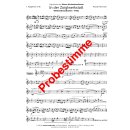
Pascal Führnrohr komponierte diese Polka im Schwierigkeitsgrad 3. Besonders markant ist der erste Teil, der durch die besondere Rhythmik an einen "Boarischen" erinnert. Das kurze und knackige Basssolo leitet zur Reprise des ersten Teils über. Im Trio sind lange, harmonische Phrasen, die nach einem Akkordeon-Solo nochmal im Tutti erklingen. Gewidmet ist diese Komposition den Eslarner Werkstattmusikanten. Wir finden, diese Komposition ist streckenweise keine typische böhmische Polka, was sie für Abwechslung-Suchende zu einer Bereicherung in der Notenmappe macht!
Enthaltene Stimmen - Großes Blasorchester
Direktion in C
Flöte 1 in C (2x)
Oboe in C (2. Flöte) (2x)
Klarinette in Es
1. Klarinette in B (2x)
2. Klarinette in B (2x)
3. Klarinette in B (2x)
1. Altsaxophon in Es (2x)
2. Altsaxophon in Es (2x)
1. Trompete in B (2x)
2. Trompete in B (2x)
1. Flügelhorn in B (2x)
2. Flügelhorn in B (2x)
1. Tenorhorn / 1. Tenorsaxophon in B (2x)
1. Tenorhorn in C, (2x)
Bariton in B / 2. Tenorsaxophon in B (2x)
Bariton in C (2x)
1. Horn in F/Es (Begleitung)
2. Horn in F/Es (Begleitung)
3. Horn in F/Es (Begleitung)
1. Horn in F/Es (Melodie)
2. Horn in F/Es (Melodie)
1. Posaune in C/B
2. Posaune in C/B
3. Posaune in C/B
1. Tuba in C / Fagott (2x)
Tuba in Es / Baritonsaxophon (2x)
2. Tuba in C (2x)
Tuba in B (Bassklarinette) (2x)
Schlagzeug
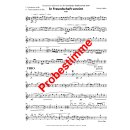
In Freundschaft vereint - eine schmissige Polka im Grad 3 von Sascha Dalke. Sascha ist mittlerweile ein gefragter Komponist unseres Verlags, da seine Kompositionen stets von Abwechslung geprägt aber nie zu abgehoben sind. Auch mit "In Freundschaft vereint" bündelt er geschickt und gekonnt die Töne und Harmonien, sodass ein absolutes Schmankerl entstanden ist. So ist es nicht verwunderlich, dass sowohl beim Da Capo als auch beim Trio Dal Segno das Feuer auf das Publikum überspringt. Sie glauben mir nicht? Hören Sie sich die Demo-Aufnahme an!
Enthaltene Stimmen - Großes Blasorchester
Direktion in C
Flöte 1 in C (2x)
Oboe in C (2. Flöte) (2x)
Klarinette in Es
1. Klarinette in B (2x)
2. Klarinette in B (2x)
3. Klarinette in B (2x)
Bassklarinette in B
1. Altsaxophon in Es (2x)
2. Altsaxophon in Es (2x)
1. Trompete in B (2x)
2. Trompete in B (2x)
1. Flügelhorn in B (2x)
2. Flügelhorn in B (2x)
1. Tenorhorn / 1. Tenorsaxophon in B (2x)
1. Tenorhorn in C, (2x)
Bariton in B / 2. Tenorsaxophon in B (2x)
Bariton in C (2x)
1. Horn in F/Es (Begleitung)
2. Horn in F/Es (Begleitung)
3. Horn in F/Es (Begleitung)
1. Horn in F/Es (Melodie)
2. Horn in F/Es (Melodie)
1. Posaune in C/B
2. Posaune in C/B
3. Posaune in C/B
1. Tuba in C / Fagott (2x)
Tuba in Es / Baritonsaxophon (2x)
2. Tuba in C (2x)
Tuba in B (2x)
Schlagzeug
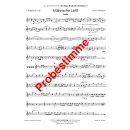
Mährische Löffl, eine Polka im mährischen Stil von Daniel Käsbauer. Die Komposition im Grad 3 sollte nicht zu langsam gespielt werden. Tenor- und Flügelhörner wechseln sich bei den Melodie-Themen jeweils ab und optional kann im Trio "gelöffelt" werden.
Enthaltene Stimmen - Großes Blasorchester
Direktion in C
Flöte 1 in C (2x)
Flöte 2 in C (2x)
Oboe in C
Klarinette in Es
1. Klarinette in B (2x)
2. Klarinette in B (2x)
3. Klarinette in B (2x)
Bassklarinette in B
1. Altsaxophon in Es (2x)
2. Altsaxophon in Es (2x)
1. Trompete in B (2x)
2. Trompete in B (2x)
1. Flügelhorn in B (2x)
2. Flügelhorn in B (2x)
1. Tenorhorn / 1. Tenorsaxophon in B (2x)
(1. Tenorhorn in C, 2x)
Bariton in B / 2. Tenorsaxophon in B (2x)
Bariton in C (2x)
1. Horn in F/Es (Begleitung)
2. Horn in F/Es (Begleitung)
3. Horn in F/Es (Begleitung)
1. Horn in F/Es (Melodie)
2. Horn in F/Es (Melodie)
1. Posaune in C/B
2. Posaune in C/B
3. Posaune in C/B
1. Tuba in C / Fagott (2x)
Tuba in Es / Baritonsaxophon (2x)
2. Tuba in C (2x)
Tuba in B (2x)
Schlagzeug
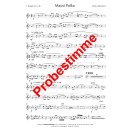
Stefan Kühndorf, ein junger Komponist und Tubist hat die Mausi Polka komponiert. Das Werk im Grad 3 wird etwas flotter gespielt und erhält dadurch einen besonderen "Groove". Kühndorfs Markenzeichen sind - neben sehr eingängigen Melodien - die äußerst interessanten und sehr intelligent gesetzten Modulationen und Umspielungen. Gerade diese machen auch die Mausi Polka zu einem besonderen Unikat!
Enthaltene Stimmen - Großes Blasorchester
Direktion in C
Flöte 1 in C (2x)
Oboe in C (2. Flöte) (2x)
Klarinette in Es
1. Klarinette in B (2x)
2. Klarinette in B (2x)
3. Klarinette in B (2x)
1. Altsaxophon in Es (2x)
2. Altsaxophon in Es (2x)
1. Trompete in B (2x)
2. Trompete in B (2x)
1. Flügelhorn in B (2x)
2. Flügelhorn in B (2x)
1. Tenorhorn / 1. Tenorsaxophon in B (2x)
1. Tenorhorn in C, (2x)
Bariton in B / 2. Tenorsaxophon in B (2x)
Bariton in C (2x)
1. Horn in F/Es (Begleitung)
2. Horn in F/Es (Begleitung)
3. Horn in F/Es (Begleitung)
1. Horn in F/Es (Melodie)
2. Horn in F/Es (Melodie)
1. Posaune in C/B
2. Posaune in C/B
3. Posaune in C/B
1. Tuba in C / Fagott (2x)
Tuba in Es / Baritonsaxophon (2x)
2. Tuba in C (2x)
Tuba in B (Bassklarinette) (2x)
Schlagzeug
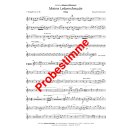
Energie pur – von der ersten Note bis zum letzten Takt. 🎺 „Meine Lebensfreude" (Grad 3,5) bringt alles mit, was eine gute Polka braucht: zackige Melodien, ein Basssolo, dreistimmige Trio-Passagen und ein fulminantes Finale. Jetzt mit optionalen Original-Tubastimmen der Mission-Böhmisch-Aufnahme.
Enthaltene Stimmen - Großes Blasorchester
Direktion in C
Flöte 1 in C (2x)
Oboe in C (2. Flöte) (2x)
Klarinette in Es
1. Klarinette in B (2x)
2. Klarinette in B (2x)
3. Klarinette in B (2x)
1. Altsaxophon in Es (2x)
2. Altsaxophon in Es (2x)
1. Trompete in B (2x)
2. Trompete in B (2x)
1. Flügelhorn in B (2x)
2. Flügelhorn in B (2x)
1. Tenorhorn / 1. Tenorsaxophon in B (2x)
1. Tenorhorn in C (2x)
Bariton in B / 2. Tenorsaxophon in B (2x)
Bariton in C (2x)
1. Horn in F/Es (Begleitung)
2. Horn in F/Es (Begleitung)
3. Horn in F/Es (Begleitung)
1. Horn in F/Es (Melodie)
2. Horn in F/Es (Melodie)
1. Posaune in C/B
2. Posaune in C/B
3. Posaune in C/B
1. Tuba in C / Fagott (2x)
Tuba in Es / Baritonsaxophon (2x)
2. Tuba in C (2x)
Tuba in B (Bassklarinette) (2x)
Schlagzeug
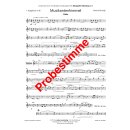
Patrick Oroudji widmete diese Polka der Blaskapelle Falkenberg zum 145-jährigen Gründungsfest. Das ruhige Tempo der Komposition verleiht dem Staccato-Motiv gleich zu beginn einen besonderen "groove". Im Mittelteil wechseln sich ein Duo aus Flügelhorn und Tenorhorn sowie den Klarinetten ab. Die langen und weichen Melodie-Phrasen im Trio vollenden die Polka zu einem leicht spielbaren, abwechslungsreichen Werk (Grad 2,5-3).
Enthaltene Stimmen - Großes Blasorchester
Direktion in C
Flöte 1 in C (2x)
Flöte 2 in C (2x)
Oboe in C
Klarinette in Es
1. Klarinette in B (2x)
2. Klarinette in B (2x)
3. Klarinette in B (2x)
Bassklarinette in B
1. Altsaxophon in Es (2x)
2. Altsaxophon in Es (2x)
1. Trompete in B (2x)
2. Trompete in B (2x)
1. Flügelhorn in B (2x)
2. Flügelhorn in B (2x)
1. Tenorhorn / 1. Tenorsaxophon in B (2x)
(1. Tenorhorn in C, 2x)
Bariton in B / 2. Tenorsaxophon in B (2x)
Bariton in C (2x)
1. Horn in F/Es (Begleitung)
2. Horn in F/Es (Begleitung)
3. Horn in F/Es (Begleitung)
1. Horn in F/Es (Melodie)
2. Horn in F/Es (Melodie)
1. Posaune in C/B
2. Posaune in C/B
3. Posaune in C/B
1. Tuba in C / Fagott (2x)
Tuba in Es / Baritonsaxophon (2x)
2. Tuba in C (2x)
Tuba in B (2x)
Schlagzeug
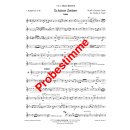
"Schöne Zeiten" ist eine schmissige Polka, die von Christian Frank komponiert und von Stefan A. Frank arrangiert wurde. Abwechslungsreiche Phrasen, die sowohl von den Flügelhörnern als auch von den Tenorhörner gespielt werden, machen das Werk zu einem absoluten Energiebündel. Auch bei dieser Polka kommen die Klarinetten nicht zu kurz: Staccato- und Legato-Phrasen runden diese gelungene Komposition im Grad 3 ab.
Enthaltene Stimmen - Großes Blasorchester
Direktion in C
Flöte 1 in C (2x)
Flöte 2 in C (2x)
Oboe in C
Klarinette in Es
1. Klarinette in B (2x)
2. Klarinette in B (2x)
3. Klarinette in B (2x)
Bassklarinette in B
1. Altsaxophon in Es (2x)
2. Altsaxophon in Es (2x)
1. Trompete in B (2x)
2. Trompete in B (2x)
1. Flügelhorn in B (2x)
2. Flügelhorn in B (2x)
1. Tenorhorn / 1. Tenorsaxophon in B (2x)
(1. Tenorhorn in C, 2x)
Bariton in B / 2. Tenorsaxophon in B (2x)
Bariton in C (2x)
1. Horn in F/Es (Begleitung)
2. Horn in F/Es (Begleitung)
3. Horn in F/Es (Begleitung)
1. Horn in F/Es (Melodie)
2. Horn in F/Es (Melodie)
1. Posaune in C/B
2. Posaune in C/B
3. Posaune in C/B
1. Tuba in C / Fagott (2x)
Tuba in Es / Baritonsaxophon (2x)
2. Tuba in C (2x)
Tuba in B (2x)
Schlagzeug
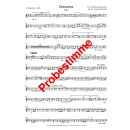
Die "Sessanta Polka" von Sebastian Heinzmann, bearbeitet von Konstantin Stahl, ist eine schwungvolle Polka im Schwierigkeitsgrad 2,5-3. Diese Komposition kombiniert eingängige Melodien mit rhythmischer Präzision und bietet somit ein perfektes Klangerlebnis für das große Blasorchester.
Enthaltene Stimmen
Direktion in C
Flöte 1 in C (2x)
Flöte 2 in C (2x)
Oboe in C
Klarinette in Es
1. Klarinette in B (2x)
2. Klarinette in B (2x)
3. Klarinette in B (2x)
1. Altsaxophon in Es (2x)
2. Altsaxophon in Es (2x)
1. Trompete in B (2x)
2. Trompete in B (2x)
1. Flügelhorn in B (2x)
2. Flügelhorn in B (2x)
1. Tenorhorn / 1. Tenorsaxophon in B (2x)
Bariton in B / 2. Tenorsaxophon in B (2x)
Bariton in C (2x)
1. Horn in F/Es (Begleitung)
2. Horn in F/Es (Begleitung)
3. Horn in F/Es (Begleitung)
1. Horn in F/Es (Melodie)
2. Horn in F/Es (Melodie)
1. Posaune in C/B
2. Posaune in C/B
3. Posaune in C/B
1. Tuba in C / Fagott (2x)
Tuba in Es / Baritonsaxophon (2x)
2. Tuba in C (2x)
Tuba in B / Bassklarinette (2x)
Schlagzeug
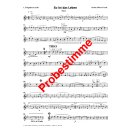
So ist das Leben - ein neuer Walzer von Stefan Albert Frank. Dieser Walzer im Grad 2,5 beginnt mit einem in Moll gehaltenen ersten Teil, gefolgt von einem fröhlichen Trio. Im zweiten Trio Teil solieren die Hölzer, bevor es ein im tutti gehaltenes Trio dal Segno gibt.
Enthaltene Stimmen - Großes Blasorchester
Direktion in C
Flöte 1 in C (2x)
Oboe in C (2. Flöte) (2x)
Klarinette in Es
1. Klarinette in B (2x)
2. Klarinette in B (2x)
3. Klarinette in B (2x)
1. Altsaxophon in Es (2x)
2. Altsaxophon in Es (2x)
1. Trompete in B (2x)
2. Trompete in B (2x)
1. Flügelhorn in B (2x)
2. Flügelhorn in B (2x)
1. Tenorhorn / 1. Tenorsaxophon in B (2x)
1. Tenorhorn in C, 2x
Bariton in B / 2. Tenorsaxophon in B (2x)
Bariton in C (2x)
1. Horn in F/Es (Begleitung)
2. Horn in F/Es (Begleitung)
3. Horn in F/Es (Begleitung)
1. Horn in F/Es (Melodie)
2. Horn in F/Es (Melodie)
1. Posaune in C/B
2. Posaune in C/B
3. Posaune in C/B
1. Tuba in C / Fagott (2x)
Tuba in Es / Baritonsaxophon (2x)
2. Tuba in C (2x)
Tuba in B (Bassklarinette) (2x)
Schlagzeug