Blasorchester
Blasorchester
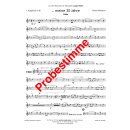
... meine 30 Jahre - eine flotte Polka im Grad 3,5 von Daniel Käsbauer. Melodische Phrasen und zackige Flügelhorn-Melodien verleihen der Polka enorme Schubkraft. Komponiert wurde die Polka als Geburtstagsgeschenk.
Enthaltene Stimmen - Großes Blasorchester
Direktion in C
Flöte 1 in C (2x)
Flöte 2 in C (2x)
Oboe in C
Klarinette in Es
1. Klarinette in B (2x)
2. Klarinette in B (2x)
3. Klarinette in B (2x)
Bassklarinette in B
1. Altsaxophon in Es (2x)
2. Altsaxophon in Es (2x)
1. Trompete in B (2x)
2. Trompete in B (2x)
1. Flügelhorn in B (2x)
2. Flügelhorn in B (2x)
1. Tenorhorn / 1. Tenorsaxophon in B (2x)
Bariton in B / 2. Tenorsaxophon in B (2x)
Bariton in C (2x)
1. Horn in F/Es (Begleitung)
2. Horn in F/Es (Begleitung)
3. Horn in F/Es (Begleitung)
1. Horn in F/Es (Melodie)
2. Horn in F/Es (Melodie)
1. Posaune in C/B
2. Posaune in C/B
3. Posaune in C/B
1. Tuba in C / Fagott (2x)
Tuba in Es / Baritonsaxophon (2x)
2. Tuba in C (2x)
Tuba in B /Bassklarinette (2x)
Schlagzeug
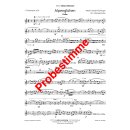
Alpenglühen, eine Polka von Daniel Fischinger und einem Arrangement von Michael Kuhn. Die Polka im Grad 2,5-3 glänzt durch wunderschöne melodische Phrasen, die sowohl von den Flügelhörnern als auch von den Tenorhörnern dargebracht werden. Dreistimmig gesetzte Klarinetten komplettieren den weichen Klangteppich. Das "Dreamteam" Fischinger und Kuhn hat wieder ganze Arbeit geleistet!
Enthaltene Stimmen - Großes Blasorchester
Direktion in C
Flöte 1 in C (2x)
Flöte 2 in C (2x)
Oboe in C
Klarinette in Es
1. Klarinette in B (2x)
2. Klarinette in B (2x)
3. Klarinette in B (2x)
Bassklarinette in B
1. Altsaxophon in Es (2x)
2. Altsaxophon in Es (2x)
1. Trompete in B (2x)
2. Trompete in B (2x)
1. Flügelhorn in B (2x)
2. Flügelhorn in B (2x)
1. Tenorhorn / 1. Tenorsaxophon in B (2x)
Bariton in B / 2. Tenorsaxophon in B (2x)
Bariton in C (2x)
1. Horn in F/Es (Begleitung)
2. Horn in F/Es (Begleitung)
3. Horn in F/Es (Begleitung)
1. Horn in F/Es (Melodie)
2. Horn in F/Es (Melodie)
1. Posaune in C/B
2. Posaune in C/B
3. Posaune in C/B
1. Tuba in C / Fagott (2x)
Tuba in Es / Baritonsaxophon (2x)
2. Tuba in C (2x)
Tuba in B /Bassklarinette (2x)
Schlagzeug
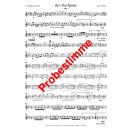
Am Dorfplatz - eine Polka von Josef Thums.
Enthaltene Stimmen - Großes Blasorchester
Direktion in C
Flöte 1 in C (2x)
Oboe in C (2. Flöte) (2x)
Klarinette in Es
1. Klarinette in B (2x)
2. Klarinette in B (2x)
3. Klarinette in B (2x)
1. Altsaxophon in Es (2x)
2. Altsaxophon in Es (2x)
1. Trompete in B (2x)
2. Trompete in B (2x)
1. Flügelhorn in B (2x)
2. Flügelhorn in B (2x)
1. Tenorhorn / 1. Tenorsaxophon in B (2x)
1. Tenorhorn in C, (2x)
Bariton in B / 2. Tenorsaxophon in B (2x)
Bariton in C (2x)
1. Horn in F/Es (Begleitung)
2. Horn in F/Es (Begleitung)
3. Horn in F/Es (Begleitung)
1. Horn in F/Es (Melodie)
2. Horn in F/Es (Melodie)
1. Posaune in C/B
2. Posaune in C/B
3. Posaune in C/B
1. Tuba in C / Fagott (2x)
Tuba in Es / Baritonsaxophon (2x)
2. Tuba in C (2x)
Tuba in B (Bassklarinette) (2x)
Schlagzeug
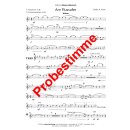
Am Flussufer, ein Blasmusik Walzer im Grad 2,5 von Stefan Albert Frank. Dieser lyrische Walzer beginnt mit einem energischen ersten Teil, der direkt in das Trio führt. Dort wechseln sich Tenorhörner, Flügelhörner und Klarinetten mit schmissigen, teilweise im staccato gehaltenen Melodiephrasen ab. Ein zweiter Trio-Teil, der von den Klarinetten dominiert wird, leitet zu einer energischen Trio-Reprise über. Das Stück endet mit einer ruhigen Weisen-Melodie.
Enthaltene Stimmen - Großes Blasorchester
Direktion in C
Flöte 1 in C (2x)
Oboe in C (2. Flöte) (2x)
Klarinette in Es
1. Klarinette in B (2x)
2. Klarinette in B (2x)
3. Klarinette in B (2x)
1. Altsaxophon in Es (2x)
2. Altsaxophon in Es (2x)
1. Trompete in B (2x)
2. Trompete in B (2x)
1. Flügelhorn in B (2x)
2. Flügelhorn in B (2x)
1. Tenorhorn / 1. Tenorsaxophon in B (2x)
1. Tenorhorn in C, 2x
Bariton in B / 2. Tenorsaxophon in B (2x)
Bariton in C (2x)
1. Horn in F/Es (Begleitung)
2. Horn in F/Es (Begleitung)
3. Horn in F/Es (Begleitung)
1. Horn in F/Es (Melodie)
2. Horn in F/Es (Melodie)
1. Posaune in C/B
2. Posaune in C/B
3. Posaune in C/B
1. Tuba in C / Fagott (2x)
Tuba in Es / Baritonsaxophon (2x)
2. Tuba in C (2x)
Tuba in B (Bassklarinette) (2x)
Schlagzeug
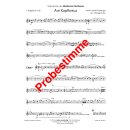
Am Kapfkreuz, eine Polka von Daniel Fischinger. Das Arrangement erstellte Michael Kuhn. Schwierigkeitsgrad 3
Enthaltene Stimmen - Großes Blasorchester
Direktion in C
Flöte 1 in C (2x)
Flöte 2 in C (2x)
Oboe in C
Klarinette in Es
1. Klarinette in B (2x)
2. Klarinette in B (2x)
3. Klarinette in B (2x)
Bassklarinette in B
1. Altsaxophon in Es (2x)
2. Altsaxophon in Es (2x)
1. Trompete in B (2x)
2. Trompete in B (2x)
1. Flügelhorn in B (2x)
2. Flügelhorn in B (2x)
1. Tenorhorn / 1. Tenorsaxophon in B (2x)
(1. Tenorhorn in C, 2x)
Bariton in B / 2. Tenorsaxophon in B (2x)
Bariton in C (2x)
1. Horn in F/Es (Begleitung)
2. Horn in F/Es (Begleitung)
3. Horn in F/Es (Begleitung)
1. Horn in F/Es (Melodie)
2. Horn in F/Es (Melodie)
1. Posaune in C/B
2. Posaune in C/B
3. Posaune in C/B
1. Tuba in C / Fagott (2x)
Tuba in Es / Baritonsaxophon (2x)
2. Tuba in C (2x)
Tuba in B (2x)
Schlagzeug
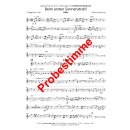
Robin Kürschner komponierte diese instrumentale Polka im Grad 3. Der erste Teil besteht aus einer eingängigen Melodie, welche in ein kurzes Basssolo mündet. Kurz vor der Reprise des ersten Teils macht eine sehr interessante harmonische Linie auf sich aufmerksam. Schließen Sie im Trio dann einfach nur die Augen und denken Sie an einen wunderschönen Sonnenaufgang und wie die ersten Sonnenstrahlen den Horizont erhellen lassen. Wunderschöne Melodie-Phrasen in allen Registern helfen einem, dieses wunderbare Erlebnis eines Sonnenaufgangs musikalisch zu untermalen. Hören Sie gleich rein und schließen Sie die Augen.
Enthaltene Stimmen - Großes Blasorchester
Direktion in C
Flöte 1 in C (2x)
Oboe in C (2. Flöte) (2x)
Klarinette in Es
1. Klarinette in B (2x)
2. Klarinette in B (2x)
3. Klarinette in B (2x)
1. Altsaxophon in Es (2x)
2. Altsaxophon in Es (2x)
1. Trompete in B (2x)
2. Trompete in B (2x)
1. Flügelhorn in B (2x)
2. Flügelhorn in B (2x)
1. Tenorhorn / 1. Tenorsaxophon in B (2x)
1. Tenorhorn in C, (2x)
Bariton in B / 2. Tenorsaxophon in B (2x)
Bariton in C (2x)
1. Horn in F/Es (Begleitung)
2. Horn in F/Es (Begleitung)
3. Horn in F/Es (Begleitung)
1. Horn in F/Es (Melodie)
2. Horn in F/Es (Melodie)
1. Posaune in C/B
2. Posaune in C/B
3. Posaune in C/B
1. Tuba in C / Fagott (2x)
Tuba in Es / Baritonsaxophon (2x)
2. Tuba in C (2x)
Tuba in B (Bassklarinette) (2x)
Schlagzeug
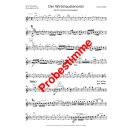
Wenn Sie den Titel "Der Wirtshaustenorist" lesen, fragen Sie sich sicher, was denn ein Wirtshaustenorist ist? Nun, wir können diese Frage nicht mit abschließender Sicherheit beantworten. Jedoch können wir einen Versuch unternehmen, uns der Definition eines Wirtshaustenoristen zu nähern, indem wir das Stück etwas genauer betrachten. Beginnen wir mit den harten Fakten: Diese Solo-Polka für Tenorhorn oder Tenorsaxophon wurde von Sascha Dalke komponiert und kann mit dem Schwierigkeitsgrad 3,5-4 bewertet werden. Die Komposition beginnt mit einer kurzen Einleitung, bevor die Solistin oder der Solist mit einer zackigen Melodielinie beginnt, die immer wieder von den Flügelhörnern oder den Tenorhörnern umspielt bzw. untermalt wird. Der zweite Teil, der zunächst in Moll beginnt und in ein helles Dur wechselt, bietet dem Solisten die Möglichkeit kurz durchzuatmen, bevor ihn das dal Segno des ersten Teils wieder fordert. Im Trio wird der Wirtshaustenorist vom 1. Tenoristen des begleitenden Orchesters unterstützt und beide zelebrieren eine weiche Legato-Melodie. Der zweite Trioteil lässt das Publikum aufhorchen, denn das Orchester verlässt die gewöhnlichen böhmischen Klänge und wechselt in eine Oberkrainer-Besetzung. Klarinette und Trompete schmettern eine für die Oberkrainer-Musik typische Melodie, die Basslinie übernimmt ein Baritonist. Durch diese aufgebaute Spannung ist es kaum verwunderlich, wenn bei der Trio-Reprise, die im Tutti gespielt wird, der Funke zum Publikum überspringt und dieses mit klatscht und mit jubelt. Zum Schluss dieses Werkes kann der Solist in einer Kadenz nochmal zeigen was er kann. Diese kann natürlich frei vorgetragen werden. Nun, wir vermuten, dass ein Wirtshaustenorist ein geselliger Mensch ist, der gerne zeigt was er kann, sich aber in Gesellschaft deutlich wohler fühlt.
Enthaltene Stimmen - Großes Blasorchester
Direktion in C
Solo-Tenorhorn in B/C
Flöte 1 in C (2x)
Oboe in C (2. Flöte) (2x)
Klarinette in Es
1. Klarinette in B (2x)
2. Klarinette in B (2x)
3. Klarinette in B (2x)
1. Altsaxophon in Es (2x)
2. Altsaxophon in Es (2x)
1. Trompete in B (2x)
2. Trompete in B (2x)
1. Flügelhorn in B (2x)
2. Flügelhorn in B (2x)
1. Tenorhorn / 1. Tenorsaxophon in B (2x)
1. Tenorhorn in C, (2x)
Bariton in B / 2. Tenorsaxophon in B (2x)
Bariton in C (2x)
1. Horn in F/Es (Begleitung)
2. Horn in F/Es (Begleitung)
3. Horn in F/Es (Begleitung)
1. Horn in F/Es (Melodie)
2. Horn in F/Es (Melodie)
1. Posaune in C/B
2. Posaune in C/B
3. Posaune in C/B
1. Tuba in C / Fagott (2x)
Tuba in Es / Baritonsaxophon (2x)
2. Tuba in C (2x)
Tuba in B (Bassklarinette) (2x)
Schlagzeug
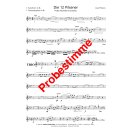
Die 12 Pilsner - eine Polka von Josef Thums. Der aus Böhmen kommende Musiker und Komponist gibt mit dieser Polka seinen Einstand beim melicus.musikverlag. Das Werk im Grad 3 ist der gleichnamigen Musikformation aus der tschechischen Stadt Pilsen gewidmet. Unverkennbar ist der gemütliche Stil von Josef Thums, der sich wie ein roter Faden durch seine Kompositionen zieht.
Enthaltene Stimmen - Großes Blasorchester
Direktion in C
Flöte 1 in C (2x)
Oboe in C (2. Flöte) (2x)
Klarinette in Es
1. Klarinette in B (2x)
2. Klarinette in B (2x)
3. Klarinette in B (2x)
Bassklarinette in B
1. Altsaxophon in Es (2x)
2. Altsaxophon in Es (2x)
1. Trompete in B (2x)
2. Trompete in B (2x)
1. Flügelhorn in B (2x)
2. Flügelhorn in B (2x)
1. Tenorhorn / 1. Tenorsaxophon in B (2x)
1. Tenorhorn in C, (2x)
Bariton in B / 2. Tenorsaxophon in B (2x)
Bariton in C (2x)
1. Horn in F/Es (Begleitung)
2. Horn in F/Es (Begleitung)
3. Horn in F/Es (Begleitung)
1. Horn in F/Es (Melodie)
2. Horn in F/Es (Melodie)
1. Posaune in C/B
2. Posaune in C/B
3. Posaune in C/B
1. Tuba in C / Fagott (2x)
Tuba in Es / Baritonsaxophon (2x)
2. Tuba in C (2x)
Tuba in B (2x)
Schlagzeug
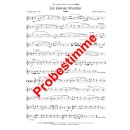
Ein kleines Wunder - diese Polka widmete Stefan Kühndorf seiner Tochter Hana. Ein lyrischer erster Teil, der teilweise dreistimmig gehalten ist, führt in einen schwungvollen zweiten Abschnitt über. Nach der Reprise folgt ein melodisches Trio, in welchem das hohe Blech, als auch Tenorhörner dreistimmig die Melodie vortragen. Die Polka im Grad 3-3,5 ist eine kurzweilige und sehr eingängige Komposition des jungen Komponisten.
Enthaltene Stimmen - Großes Blasorchester
Direktion in C
Flöte 1 in C (2x)
Oboe in C (2. Flöte) (2x)
Klarinette in Es
1. Klarinette in B (2x)
2. Klarinette in B (2x)
3. Klarinette in B (2x)
1. Altsaxophon in Es (2x)
2. Altsaxophon in Es (2x)
1. Trompete in B (2x)
2. Trompete in B (2x)
1. Flügelhorn in B (2x)
2. Flügelhorn in B (2x)
1. Tenorhorn / 1. Tenorsaxophon in B (2x)
1. Tenorhorn in C, 2x
Bariton in B / 2. Tenorsaxophon in B (2x)
Bariton in C (2x)
1. Horn in F/Es (Begleitung)
2. Horn in F/Es (Begleitung)
3. Horn in F/Es (Begleitung)
1. Horn in F/Es (Melodie)
2. Horn in F/Es (Melodie)
1. Posaune in C/B
2. Posaune in C/B
3. Posaune in C/B
1. Tuba in C / Fagott (2x)
Tuba in Es / Baritonsaxophon (2x)
2. Tuba in C (2x)
Tuba in B (Bassklarinette) (2x)
Schlagzeug
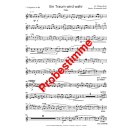
"Ein Traum wird wahr" ist eine Polka von Philipp Roth, die Bearbeitung dazu schrieb Konstantin Stahl. Diese Komposition im Grad 3 läd wahrhaftig zum Träumen ein. Getragene Melodien und solistisch geführte Klarinetten und Posaunen vollenden diese Polka. Nicht zu schnell und sehr gefühlvoll gespielt, wird diese Polka schon beim da Capo des ersten Teils die Zuhörer mitreißen.
Enthaltene Stimmen
Direktion in C
Flöte 1 in C (2x)
Flöte 2 in C (2x)
Oboe in C
Klarinette in Es
1. Klarinette in B (2x)
2. Klarinette in B (2x)
3. Klarinette in B (2x)
1. Altsaxophon in Es (2x)
2. Altsaxophon in Es (2x)
1. Trompete in B (2x)
2. Trompete in B (2x)
1. Flügelhorn in B (2x)
2. Flügelhorn in B (2x)
1. Tenorhorn / 1. Tenorsaxophon in B (2x)
Bariton in B / 2. Tenorsaxophon in B (2x)
Bariton in C (2x)
1. Horn in F/Es (Begleitung)
2. Horn in F/Es (Begleitung)
3. Horn in F/Es (Begleitung)
1. Horn in F/Es (Melodie)
2. Horn in F/Es (Melodie)
1. Posaune in C/B
2. Posaune in C/B
3. Posaune in C/B
1. Tuba in C / Fagott (2x)
Tuba in Es / Baritonsaxophon (2x)
2. Tuba in C (2x)
Tuba in B / Bassklarinette (2x)
Schlagzeug